
The relationship between the gut microbiome and skin diseases: acne, atopic Dermatitis, psoriasis, and rosacea


What is the gut microbiome, and why is it important for skin health?
The skin and its microbial ecosystem
Dermatological conditions represent a significant public health concern, affecting an estimated 30–70% of the global population 1. Nearly half (47.9%) of the European population aged 18 years and older has experienced at least one dermatological condition within the past 12 months 2. Skin complaints are therefore an extremely common reason for medical consultations and can significantly impair quality of life, work performance, and psychological well-being 1. It appears that alterations in immune system regulation contribute substantially to many skin disorders. Disruption of the skin barrier, chronic inflammatory processes, and certain environmental factors or stress may also play underlying roles. 2
The skin is not merely a passive protective layer but the largest organ of the human body, accounting for approximately 10–15% of total body weight 3. It protects against mechanical, microbial, chemical, and allergenic threats while also serving active immunological and neuroendocrine functions. 4, 5
The skin possesses its own microbial ecosystem. Approximately 10¹² microorganisms may inhabit the skin, and this microbial community plays an important role in its protective functions 1. Different skin regions, such as dry, moist, or sebum-rich areas, exhibit distinct microbial compositions influenced by factors including sebum production, pH, moisture levels, oxygen availability, temperature, and UV radiation 4. Healthy human skin commonly harbors representatives of the genera Brevibacterium, Propionibacterium, Micrococcus, Staphylococcus, Streptococcus, and Corynebacterium, while Malassezia is considered the dominant fungal genus. 5
The role of the gut microbiome
The microbiome encompasses the microorganisms (bacteria, viruses, and fungi) present within a given environment, as well as their genetic material, metabolites, and surrounding environment 1. Although the skin is also a rich microbial habitat, the majority of microorganisms reside within the gastrointestinal tract. The gut microbiota may contain approximately 10¹⁴ microorganisms with a total mass of around 1.5 kg, roughly equivalent to the weight of the liver 1. The dominant phyla in the gut microbiome of healthy adults include Firmicutes, Bacteroidetes, Actinobacteria, Proteobacteria, Fusobacteria, and Verrucomicrobia; however, substantial interindividual variation exists 1.
The gut microbiome participates in numerous essential physiological processes. It contributes to nutrient breakdown, the metabolism of drugs and other foreign or potentially toxic compounds, protection against infections, and the development and regulation of the immune system 1. Intestinal microorganisms help utilize otherwise indigestible dietary components, contribute to the production of vitamins and other metabolites, and support the integrity of the intestinal barrier. 5
One particularly important metabolic function of the gut microbiome is the fermentation of dietary fiber, which results in the production of short-chain fatty acids (SCFAs, including butyrate, propionate, and acetate). These metabolites help maintain a lower intestinal pH, serve as an energy source for intestinal epithelial cells, inhibit the growth of certain pathogens, exert anti-inflammatory effects, and contribute to preserving the integrity of the intestinal barrier. 1
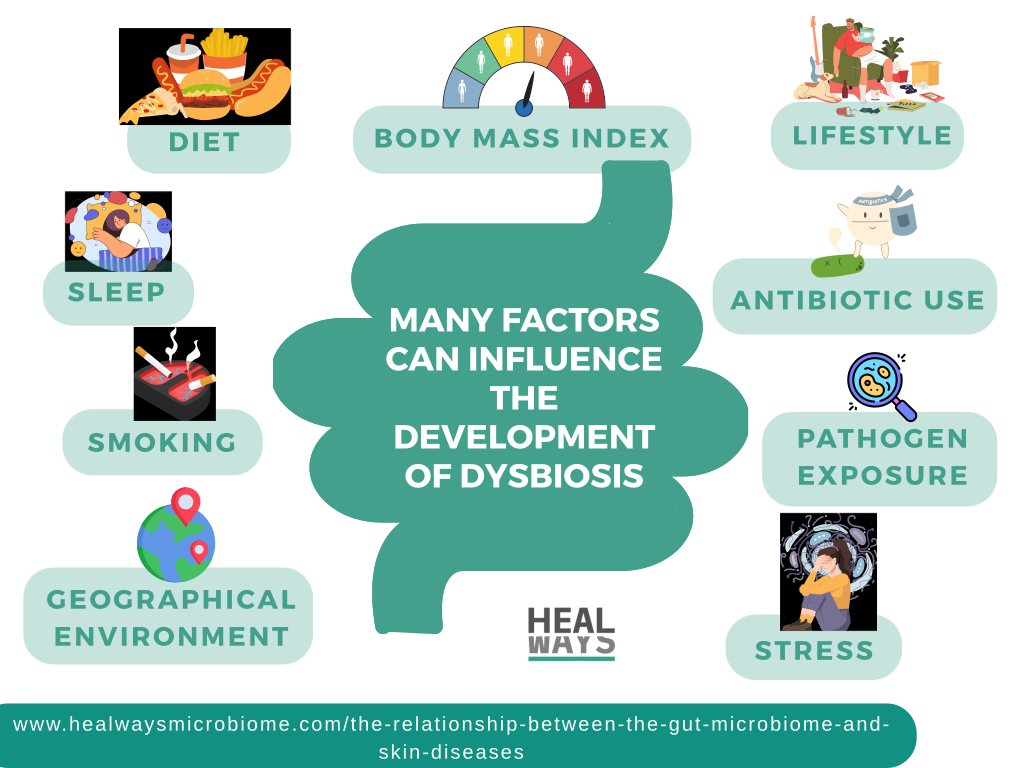
The disruption of the balance of the microbiome, which is beneficial to our body, is called dysbiosis. This may involve a reduction in beneficial microorganisms, overgrowth of potentially harmful microbes, or an overall decrease in microbial diversity 4. The development of dysbiosis can be influenced by numerous factors, including diet, antibiotic use, body mass index, lifestyle, stress, sleep quality, smoking, geographical environment, and exposure to pathogens. 1
The gut-skin axis
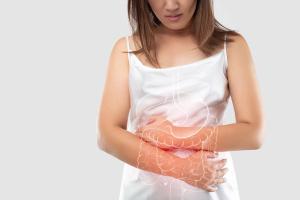
Gut dysbiosis can have consequences beyond the gastrointestinal tract and may trigger systemic effects. Increased intestinal permeability may allow metabolites, toxins, and microbial components to enter the bloodstream, potentially leading to the production of inflammatory mediators and cytokines 6. These processes can also affect the skin, as gut microorganisms and their metabolites may reach the skin through the circulation and influence its homeostasis, barrier function, hydration, and immune responses. 1
This is where the concept of the gut-skin axis becomes particularly relevant. Both the gut and the skin are organ systems that interact directly with the external environment, are richly innervated and vascularized, and possess their own microbial communities 4. The gut-skin axis describes the bidirectional relationship through which the gut microbiome, intestinal barrier, immune system, inflammatory mediators, and microbial metabolites collectively influence skin health. 6
The connection between the gut and the skin is not a new concept: as early as 1930, John H. Stokes and Donald M. Pillsbury hypothesized an intrinsic relationship between gut flora and skin inflammation 4. Modern microbiological and immunological research is increasingly elucidating the mechanisms through which the gut microbiome may influence skin health. 4
How does the gut “communicate” with the skin?
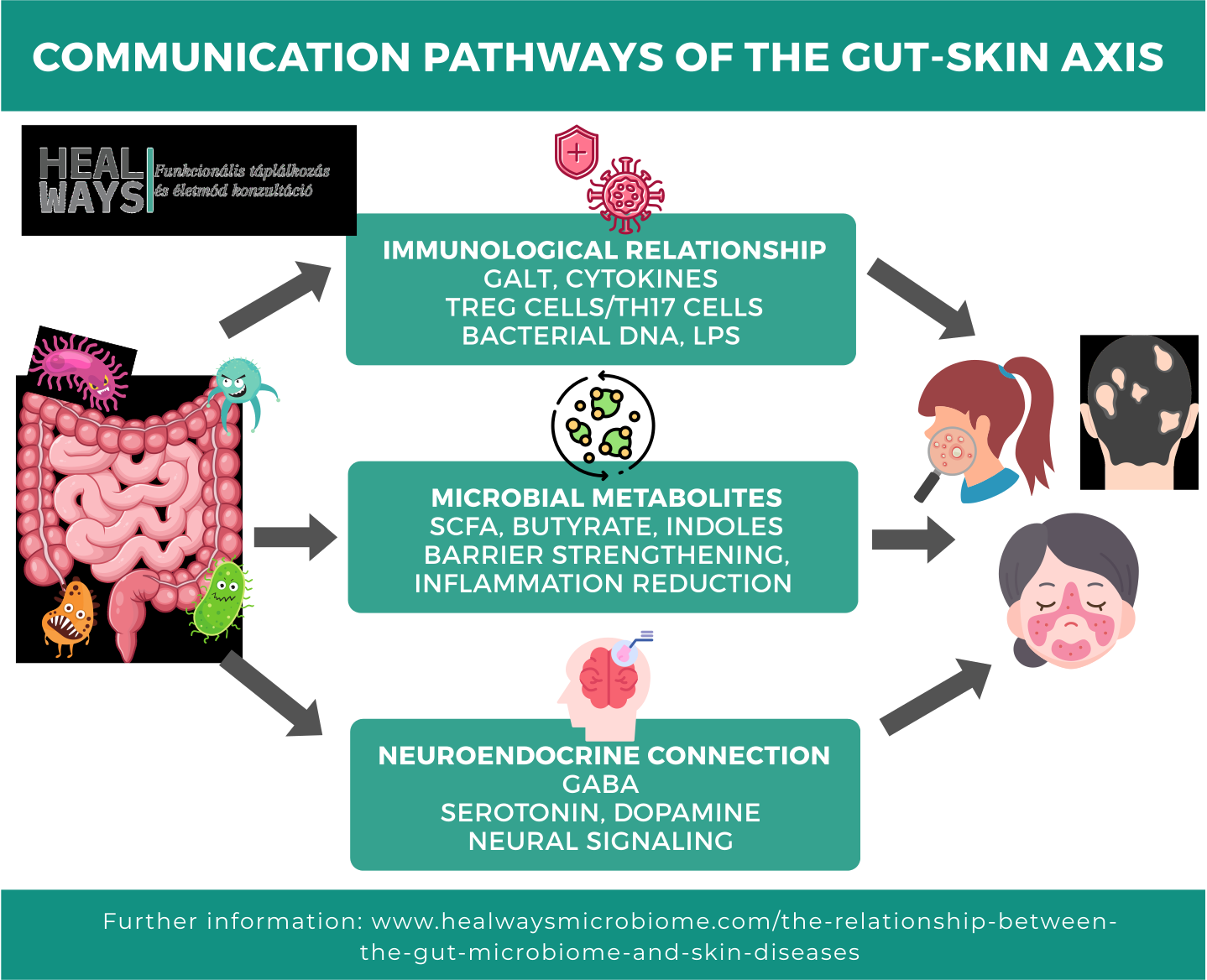
The gut and the skin are not isolated entities; they are in constant, bidirectional communication through neurological, endocrine, immunological, and microbial pathways. 4–6
The skin microbiome, the gut microbiome, the immune system, diet, metabolites, and inflammatory processes are intricately interconnected. Understanding the gut-skin axis therefore provides a new perspective on dermatological diseases and highlights the potential importance of therapeutic strategies such as dietary interventions, the use of prebiotics and probiotics, and approaches aimed at restoring microbial balance. 4–6
1. Immunological connection
One of the most important pathways linking the gut and the skin is the immune system. The mucosal immune system of the gastrointestinal tract, particularly the gut-associated lymphoid tissue, continuously detects microbial signals and regulates whether the body responds with tolerance or inflammation. 5
The mucous membranes, including the intestinal lining, serve as an important protective barrier: they facilitate nutrient absorption while preventing bacteria, toxins, and pro-inflammatory substances from entering the body. The so-called “tight junctions,” which tightly connect intestinal epithelial cells, play a central role in this process.
The intestinal epithelium; the mucus layer covering it; antibodies (such as IgA); various immune cells (such as T cells, macrophages, dendritic cells, and mast cells, which recognize and regulate immune responses against pathogens); and antimicrobial peptides (which directly inhibit microbial growth) together form the “mucosal barrier.” Under normal conditions, this defense system prevents bacteria, toxins, and antigens (substances that the immune system may recognize as foreign) from entering the bloodstream. 5, 6
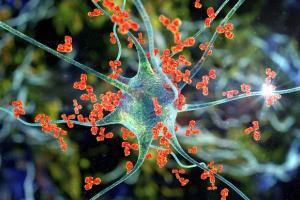
As a consequence of gut dysbiosis, intestinal barrier function may become impaired. Tight junctions can loosen, the integrity of the mucosal barrier may deteriorate, and intestinal permeability may increase. As a result, microbial components—including bacterial DNA, endotoxins, lipopolysaccharides, and other pro-inflammatory molecules—can enter the circulation, where they activate the immune system through pattern-recognition receptors and stimulate the release of pro-inflammatory cytokines (signaling molecules that amplify inflammatory immune responses, such as TNF and IL-17). 5, 6
The resulting systemic inflammation may contribute to the development or persistence of inflammatory processes in distant organs, including the skin. 5, 6 In psoriasis, for example, bacterial DNA has been detected in the bloodstream, suggesting that microbial signals originating from the gut may contribute to the inflammatory background of the disease. 7
T-cell immune responses are also central to the immunological connection within the gut-skin axis. The various T-helper cell populations operate in a dynamic balance. Th1 cells are primarily involved in acute infections and defense against viruses and intracellular pathogens, whereas Th2 cells regulate antibody production and allergic responses in chronic conditions. Th17 cells play a key role in protecting mucosal surfaces and the skin, particularly against extracellular bacteria and fungi, while regulatory T cells (Treg cells, including Th3 cells) are essential for suppressing immune responses and maintaining immune tolerance. When this balance shifts persistently in either direction, it may contribute to the development of chronic inflammatory, autoimmune, or allergic diseases.
The gut microbiome can significantly influence the function and regulation of immune cells. Certain gut bacteria support the activity of Treg cells, which act as the immune system’s “braking” mechanism, helping to control excessive inflammation and preventing the immune system from attacking harmless substances or the body’s own tissues. This is especially important in mucosal tissues, where the immune system must constantly distinguish between harmful pathogens and harmless environmental or dietary antigens.
Conversely, other immunological processes promote excessive activation of Th17 cells, leading to pronounced inflammatory responses. In dysbiosis, the balance between Treg and Th17 cells may become disrupted: mechanisms that suppress immune responses may weaken, while pro-inflammatory pathways become more active. This may be particularly relevant in psoriasis, where immune system overactivation plays a central role. 5, 6
2. Microbial metabolites
Microbial metabolites represent another important communication pathway within the gut-skin axis. Gut microorganisms produce metabolites that exert both local effects in the intestine and systemic effects through the circulation. Of particular importance are SCFAs (such as butyrate and propionate), as well as tryptophan metabolites, indole derivatives, and amines. 4–6
SCFAs generally exert barrier-supporting and immunomodulatory effects. They help maintain the integrity of the intestinal epithelium, reduce inflammation, promote Treg cell function, and may also support the skin barrier. Butyrate, for example, has been shown to modulate mitochondrial metabolism in keratinocytes (the primary epithelial cells of the skin), thereby improving barrier function. 4, 5
Not all microbial metabolites are beneficial. During dysbiosis, metabolites that negatively affect skin function may become more abundant. Free phenol, p-cresol, and certain aromatic amino acid derivatives have been identified as biomarkers associated with impaired gut function and may be linked to disturbances in barrier integrity, epidermal differentiation, and keratinization. For example, p-cresol and phenol produced by Clostridioides difficile can enter the circulation, accumulate in the skin, reduce skin hydration, and impair barrier integrity, epidermal differentiation (the maturation and specialization of skin cells), and keratinization (the process through which cells become enriched with keratin to form the skin’s protective outer layer). 5, 6
3. Neuroendocrine connection
The third component of gut-skin communication is the neuroendocrine connection. Gut microbes participate in the production of several neurotransmitters or neurotransmitter-like compounds, including GABA, acetylcholine, dopamine, and serotonin. These molecules serve as chemical messengers of the nervous system: GABA has predominantly calming effects, acetylcholine is essential for communication between nerve cells, dopamine is associated with motivation and reward, and serotonin plays roles in mood regulation and inflammatory processes, among others. These compounds may influence skin function through both neural pathways and systemic circulation. 5
In an experimental model, for example, GABA reduced atopic dermatitis-like skin lesions. However, much of the evidence in this area remains experimental or limited, and clinical conclusions for humans should therefore be drawn cautiously. 5
Importantly, the gut-skin axis is not a one-way pathway. Although most research has focused on how the gut microbiome affects the skin, experimental evidence suggests that skin injury or inflammation may also influence gut microbial composition and immunological homeostasis. 4–6
What do we know about specific skin diseases?
A growing body of evidence suggests that intestinal barrier function, gut microbiome composition, and certain microbial metabolites may contribute to the development or exacerbation of several inflammatory and immune-mediated skin diseases. However, much of the current evidence remains associative in nature. 4
Disruptions in the gut microbiome have been linked to dermatological conditions including atopic dermatitis, psoriasis, acne, and rosacea. 5
Atopic dermatitis
The evidence supporting a role for the gut microbiome in atopic dermatitis is among the strongest currently available. Atopic dermatitis is now studied not only as a disorder of the immune system and skin barrier but also as a condition associated with dysbiosis of both the skin and gut microbiomes. 8
According to several studies, the gut microbiome of patients with atopic dermatitis—particularly children—may differ from that of healthy individuals: reduced microbial diversity, lower abundance of Bifidobacteria, and altered metabolite production have been frequently reported. 8
In this disease, the gut microbiome may play a key role in establishing proper immune balance, regulating immune responses, and maintaining the integrity of the intestinal barrier. The gut flora established early in life may be particularly important: research suggests that cesarean delivery, early antibiotic exposure, or reduced microbial diversity may increase the risk of developing atopic diseases. 8
The so-called “hygiene hypothesis” is based on the observation that reduced exposure to biodiverse environments (particularly during early life), may be associated with an increased incidence of atopic dermatitis and other allergic diseases. It is hypothesized that insufficient microbial exposure during childhood may affect the development of immune tolerance mechanisms and promote allergic inflammation. 9
Numerous clinical trials have also evaluated the use of probiotics and synbiotics in atopic dermatitis. The results have been heterogeneous, with efficacy appearing to depend on the strains used, patient age, disease severity, and treatment duration. Consequently, probiotics are currently best regarded as a complementary approach rather than a standard therapy. 8

Psoriasis
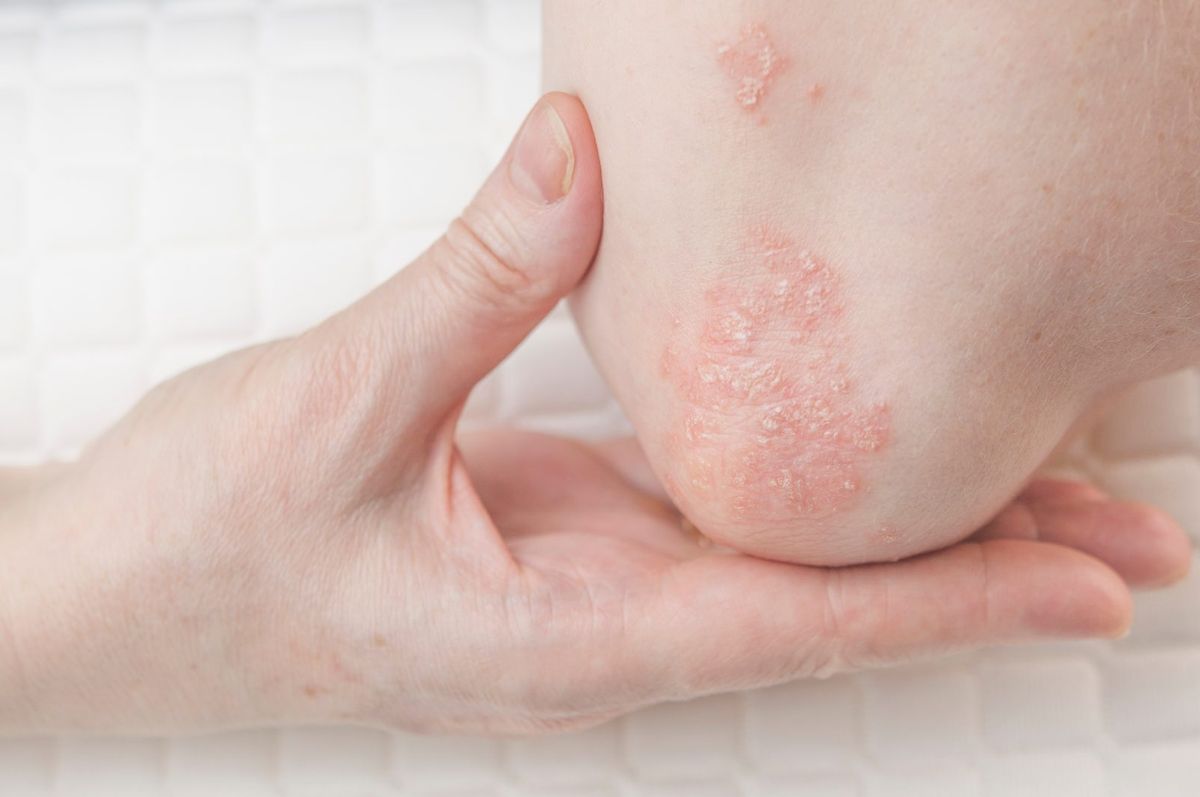
Psoriasis is now recognized not merely as a localized skin disorder but as a systemic inflammatory disease in which excessive keratinocyte proliferation contributes to the formation of the thickened, inflamed plaques characteristic of the condition. 10
Several studies have reported alterations in gut microbiome composition and reduced levels of short-chain fatty acid-producing bacteria in patients with psoriasis. Frequently observed changes include reductions in Akkermansia muciniphila and Faecalibacterium prausnitzii, both of which normally produce metabolites that support barrier integrity and exert anti-inflammatory effects. 10
In psoriasis, abnormalities have been described not only in the gut microbiome but also in the skin microbiome. Studies suggest that members of the Firmicutes phylum may be overrepresented within psoriatic plaques, while Cutibacterium species appear less abundant compared with healthy skin. In addition, differences in gut microbial diversity have been documented in patients with psoriasis. 9
The relationship between psoriasis and the gut is further supported by evidence suggesting increased intestinal permeability. Some studies have detected bacterial DNA in the bloodstream of psoriasis patients, indicating that microbial components may enter the circulation through a compromised intestinal barrier and contribute to systemic inflammation. 7
Psoriasis is frequently associated with metabolic syndrome, obesity, and inflammatory bowel diseases, further highlighting the importance of the gut–immune–skin axis 10. At the same time, microbiome findings remain heterogeneous. Differences in sampling, sequencing technologies, and analytical methods currently prevent the definition of a consistent, diagnostically useful “psoriasis microbiome profile.”
Acne
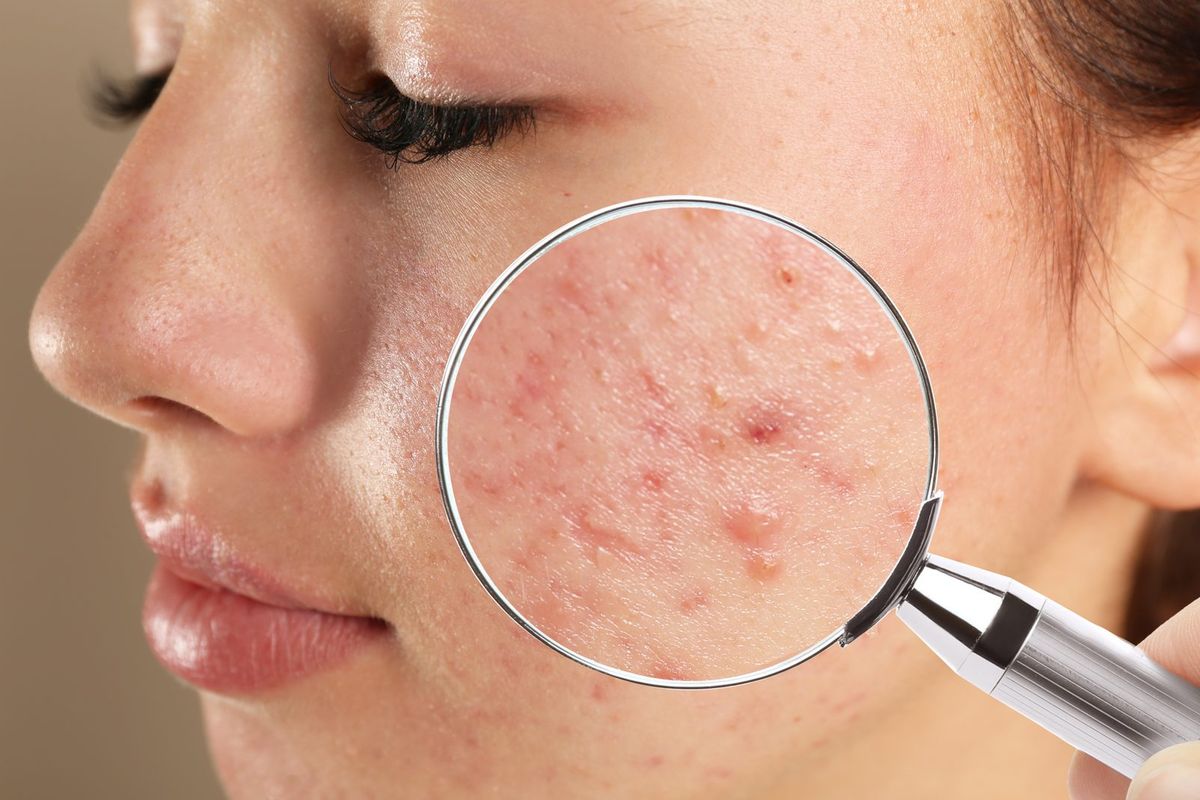
The development of acne vulgaris has traditionally been associated with increased sebum production, the role of Cutibacterium acnes (formerly Propionibacterium acnes), hormonal influences, and inflammatory processes. In recent years, however, increasing attention has been directed toward the potential role of the gut microbiome. Acne is a chronic inflammatory disease of the pilosebaceous unit in which increased sebum production, abnormal follicular keratinization, the presence of Cutibacterium acnes, and the pro-inflammatory activity of the skin microbiome all contribute to disease pathogenesis. 9
Some studies have reported reduced microbial diversity in patients with acne, along with lower abundances of Lactobacillus and Bifidobacterium species. Acne has also been linked to dietary patterns, such as high-glycemic-load diets and Western-style diets, which may influence both gut microbiome composition and immunometabolic pathways. 11
It has been proposed that gut microbial dysbiosis may contribute to the inflammatory response observed in acne. Studies have described, among other findings, an increased Bacteroidetes/Firmicutes ratio, as well as lower overall levels of Actinobacteria and Proteobacteria within the gut microbiome of acne patients. These alterations may be associated with impaired intestinal barrier function, increased inflammatory activity, and altered immune responses. 9
In clinical studies, certain probiotic formulations—particularly specific strains of Lactobacillus and Bifidobacterium—have been associated with improvements in acne symptoms, reductions in inflammatory lesions, and mitigation of antibiotic-related side effects. 12
Rosacea
Rosacea is one of the skin disorders most frequently discussed in relation to the gut-skin axis. Genetic, immunological, neurovascular, and microbiological factors may all contribute to the pathogenesis of this chronic inflammatory facial dermatosis. Increasing evidence also suggests that gastrointestinal abnormalities and alterations in the gut microbiome may be associated with the condition. 13
Several studies have reported an increased prevalence of conditions such as Helicobacter pylori infection, irritable bowel syndrome, inflammatory bowel disease, and small intestinal bacterial overgrowth (SIBO) among patients with rosacea. It has been hypothesized that gut dysbiosis may exacerbate systemic inflammation, increase intestinal permeability, and promote the release of inflammatory mediators that contribute to vasodilation, immune activation, and inflammatory processes in the skin. 13
It is possible that inflammatory processes triggered by Helicobacter pylori, as well as certain abnormalities in the gut microbiome, contribute to the flushing and vasodilatory symptoms characteristic of rosacea. Among other mechanisms, Helicobacter pylori may increase the release of nitric oxide, gastrin, and other inflammatory mediators, thereby promoting angiogenesis (the formation of new blood vessels), vasodilation (the widening of blood vessels), and enhanced immune activation. 9
The association between rosacea and the gut is further supported by studies reporting improvements in rosacea symptoms following treatment of SIBO. However, it remains unclear whether changes in the gut microbiome act as triggers, perpetuating factors, or consequences of rosacea. Based on currently available evidence, it is plausible that the gut-skin axis contributes to the persistence of inflammatory processes in at least a subset of patients. 13

Other skin conditions
The role of the gut microbiome is also being investigated in a variety of other dermatological disorders, including alopecia areata (an autoimmune condition characterized by patchy hair loss), vitiligo (an autoimmune disorder involving loss of skin pigmentation), chronic urticaria (recurrent hives), and other autoimmune skin diseases. However, the evidence supporting these associations remains more limited at present. 4
What does it mean when “skin bacteria” appear in the gut?
We often consider the skin and gut microbiomes as separate ecosystems, yet the body’s microbial environment does not consist of isolated compartments. This raises an important question: what does it mean if a stool microbiome analysis detects bacteria that are more commonly associated with the skin or mucous membranes, such as Corynebacterium, Staphylococcus epidermidis, or Cutibacterium species?
An important starting point is that these bacteria are not inherently “bad.” Corynebacterium, for example, is a common member of the skin and mucosal microbiome, and many of its species are commensal organisms. At the same time, the genus is highly heterogeneous at the species level, encompassing harmless commensals, opportunistic pathogens, and, less commonly, clinically significant species. Therefore, a test result identifying only the genus level (e.g., “Corynebacterium spp.”) is insufficient on its own to support far-reaching conclusions. 14, 15
Species-level analysis may be necessary, and shotgun sequencing technologies can provide a more precise understanding of the organism’s genetic composition.
It is also important to distinguish between a single detection and a persistent, high-abundance presence. The detection of bacterial DNA in stool does not necessarily indicate that the microorganism has successfully colonized the colon. It may represent transient passage through the gastrointestinal tract, a swallowed microbe, a sampling artifact, or DNA originating from a nonviable organism rather than from an actively colonizing bacterium. 16
The situation warrants closer attention when the same skin-associated bacteria repeatedly appear in elevated proportions and are ideally identified at the species or strain level. In such cases, it may indicate disruption of the gut microbial ecosystem and weakening of so-called colonization resistance—the protective mechanism through which the normal gut microbiota limits the establishment of non-native organisms via nutrient competition, bile acid metabolism, antimicrobial metabolites, and immune-mediated processes. 17, 18
For a skin-associated bacterium to establish a more persistent presence in the colon, it must overcome multiple barriers. It must survive gastric acid, bile acids, intestinal motility, and the oxygen-poor environment of the colon, while also competing with the resident gut microbiota, which is composed predominantly of obligate anaerobic bacteria. If any of these defense mechanisms are compromised—for example, due to reduced stomach acid production, proton pump inhibitor (PPI) use, disturbances in bile acid metabolism, slowed intestinal motility, SIBO, antibiotic exposure, or an inflamed intestinal environment—then microorganisms that would normally pass through only transiently may be more likely to survive within the digestive tract. 19–23
An increasing body of evidence suggests that certain bacteria originating from the oral microbiome may become problematic when they establish themselves in the gut or proliferate there. Although this does not prove that members of the skin microbiome behave in the same way, it raises an important question: under certain circumstances, could microbial “translocation” between body sites have biological and clinical significance? 24
At present, the key conclusion is that the presence of skin-associated bacteria in stool is not inherently alarming. However, it may warrant further attention when it is persistent, occurs in high abundance, and is accompanied by broader alterations in the composition of the gut microbiota. In such cases, the issue may not be that “skin bacteria are causing the problem,” but rather that the ecological environment of the gut has changed.
What can you do to support the gut microbiome when dealing with skin complaints?
Treatment of skin diseases: local and systemic approaches
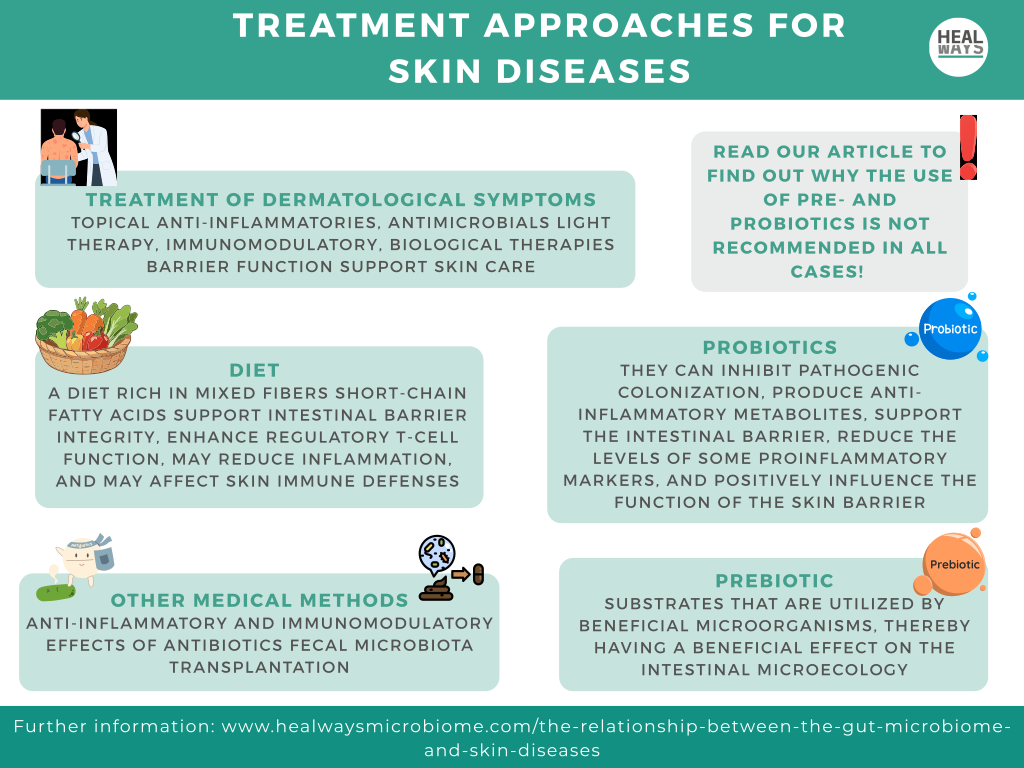
The treatment of inflammatory and infectious skin diseases has traditionally relied primarily on dermatological therapies aimed at symptom control and immune modulation. Clinical treatment options may include topical anti-inflammatory agents (such as corticosteroids or calcineurin inhibitors), antimicrobial therapies, phototherapy, and, in more severe cases, systemic immunomodulatory or biologic treatments. Emollients and appropriate skin care also play an important role in supporting the skin barrier.
In recent years, however, growing attention has been directed toward systemic factors that may influence the course of inflammatory skin diseases. Research on the gut-skin axis has highlighted that the gut microbiome, immune system, dietary factors, and lifestyle influences may, in certain cases, be linked to skin homeostasis and inflammatory processes. Consequently, alongside conventional dermatological therapies, increasing interest has emerged in complementary functional approaches that support the microbiome and overall immune-metabolic balance.
Supporting the gut microbiome in the context of skin complaints should not be viewed as a standalone treatment that can be applied uniformly to all individuals. Rather, it should be regarded as a complementary strategy aimed at supporting both the microbiome and the immune system. 1, 4–6
Diet
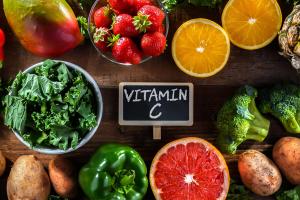
One of the most important intervention points is diet. Long-term dietary patterns can substantially influence the diversity and composition of the gut microbiome and thereby indirectly affect skin health. A diet rich in diverse dietary fibers appears particularly beneficial because fibers that cannot be digested by the human host are fermented by the colonic microbiota, resulting in the production of short-chain fatty acids such as acetate, propionate, and butyrate. These metabolites support intestinal barrier integrity, enhance regulatory T-cell function, may reduce inflammation, and can influence the skin’s immune defense mechanisms. 5
Conversely, unfavorable dietary patterns may disrupt microbial balance within the gut. Diets high in fat and industrial trans fats can reduce microbial diversity, increase lipopolysaccharide production, impair the barrier function of the colonic epithelium, thin the mucus layer, and promote the release of pro-inflammatory cytokines. Excessive alcohol consumption and highly processed dietary patterns may similarly exacerbate inflammatory and oxidative stress-related processes. 5
Probiotics and prebiotics
Probiotics are among the most extensively studied microbiome-supportive interventions. These are live microorganisms that, when administered in adequate amounts, confer health benefits to the host. In dermatological research, the most commonly investigated strains include Lactobacillus, Bifidobacterium, Bacillus, Streptococcus, Enterococcus, Saccharomyces, and certain therapeutic Escherichia strains. Probiotics may exert beneficial effects through multiple mechanisms: they can inhibit pathogen colonization, produce anti-inflammatory metabolites, support intestinal barrier integrity, modulate the Treg/Th17 balance, reduce levels of certain pro-inflammatory markers, and positively influence skin barrier function. 4–6
- In one study involving children aged 4–17 years with atopic dermatitis, a probiotic combination containing Bifidobacterium longum, Bifidobacterium lactis, and Lactobacillus casei was associated with improvements in SCORAD scores (a clinical measure of disease severity), reductions in inflammatory activity, and decreased use of topical corticosteroids after 12 weeks of treatment. 25 Other studies using combinations of Lactobacillus and Bifidobacterium strains, as well as formulations incorporating prebiotics, probiotics, and postbiotics, have likewise reported favorable outcomes. 1, 4
- In psoriasis, several studies have demonstrated that probiotic supplementation may reduce inflammatory markers such as CRP and TNF-α, improve markers of oxidative stress, and decrease relapse frequency. Based on current evidence, these interventions appear promising as adjunctive therapies, although probiotic treatment has not yet been standardized. 1, 4, 6
- In acne, microbiome-supportive strategies have also emerged as potential complementary approaches. Clinical studies have shown that fermented Lactobacillus-containing beverages, probiotic supplementation, and combinations of antibiotics and probiotics may improve acne lesion counts while reducing the adverse effects associated with antibiotic therapy. 26, 27
- It is important to emphasize that the effectiveness of probiotic interventions may depend on numerous factors, including disease severity, patient age, baseline microbiome composition, the specific strains and combinations used, dosage, and treatment duration. 1, 4, 6
The use of prebiotics may also support the microbiome. Prebiotics are substrates that are not—or are only partially—digested by the host but are selectively utilized by beneficial microorganisms, thereby exerting favorable effects on intestinal microbial ecology. Examples include fructooligosaccharides, galactooligosaccharides, inulin, polydextrose, lactulose, sorbitol, and xylitol. These compounds may promote the growth of Bifidobacterium and Lactobacillus species, increase SCFA production, and thereby support barrier integrity and anti-inflammatory immune responses. 4, 5
However, microbiome support does not necessarily mean that “more probiotics and fiber supplements are always better.” Based on our experience, the indiscriminate use of probiotics or prebiotic fiber supplements without microbiome assessment may even have unintended consequences, as the microbial environment being targeted is often unknown. In some cases, a given prebiotic or probiotic may not primarily support the desired microorganisms but instead promote the growth of already overrepresented strains or shift the ecosystem toward specific fermentation processes, such as excessive lactic acid production. For this reason, a cautious and individualized approach is advisable. There may be somewhat less risk when a single probiotic is not used continuously over the long term and different formulations are instead alternated or combined to help preserve microbial diversity.
Other medical approaches
In certain skin disorders, such as acne and rosacea, antibiotics may play a therapeutic role because of their anti-inflammatory and immunomodulatory properties. At the same time, it is important to recognize that antibiotics can substantially alter the gut microbiome. They may reduce microbial diversity, promote antibiotic resistance, and contribute to the overgrowth of fungi or opportunistic pathogenic bacteria. Nevertheless, in many clinical situations, they remain justified and effective medical treatments. 1, 5, 6
A specialized microbiome-focused intervention that requires expert medical supervision is fecal microbiota transplantation (FMT). Small human studies and case reports in atopic dermatitis have suggested potential clinical improvement in moderate to severe disease, while isolated reports have described hair regrowth following FMT in alopecia areata. However, FMT is not currently considered a routine dermatological therapy. Its efficacy and safety require further investigation, and potential risks include infection and other serious complications. 1, 4
In summary, support of the gut microbiome in individuals with skin complaints may be considered at multiple levels. First, a fiber-rich, microbiome-friendly diet, combined with reduced consumption of trans fats, alcohol, and highly processed foods, can provide a strong foundation. Second, the use of prebiotics and probiotics may be considered, ideally based on strain-specific evidence and tailored to the individual skin condition and age group. Third, synbiotics, postbiotics, and more specialized microbiome-based interventions may be explored, although medical supervision and careful consideration of safety remain especially important in these contexts. 1, 4–6
Conclusions and Future Perspectives
Ideally, personalized microbiome support should be based on an assessment of an individual’s baseline gut microbiota and overall microbial balance. The development of a targeted therapeutic strategy requires an understanding of which bacterial groups are present, absent, overrepresented, or functionally altered within the gut ecosystem.
Based on current evidence, the gut microbiome is unlikely to represent an independent “cause” of inflammatory skin diseases. Rather, it appears to form part of a complex immunometabolic network. The composition of the gut microbiome, the integrity of the intestinal barrier, microbial metabolites, and immune regulation may interact with skin homeostasis, inflammatory processes, and barrier function through multiple pathways. An important question for future research is whether specific microbial signatures, biomarkers, or targeted microbiome-based interventions can be identified that ultimately enable truly personalized dermatological therapies. 4
References
27 references[1] I. Ryguła, W. Pikiewicz, B. O. Grabarek, M. Wójcik, and K. Kaminiów, ‘The Role of the Gut Microbiome and Microbial Dysbiosis in Common Skin Diseases’, Int. J. Mol. Sci., vol. 25, no. 4, p. 1984, Jan. 2024, DOI: https://doi.org/10.3390/ijms25041984
[2] A. Riehl, ‘Wir feiern herausragende Wissenschaft’, Dtsch. Dermatol., vol. 69, no. 11, pp. 894–897, 2021, DOI: https://doi.org/10.1007/s15011-021-4783-z
[3] M. Richardson, ‘Understanding the structure and function of the skin’, Nurs. Times, vol. 99, no. 31, pp. 46–48, 0 2003 https://pubmed.ncbi.nlm.nih.gov/13677123/
[4] Y. Zhao, C. Yu, J. Zhang, Q. Yao, X. Zhu, and X. Zhou, ‘The gut‑skin axis: Emerging insights in understanding and treating skin diseases through gut microbiome modulation (Review)’, Int. J. Mol. Med., vol. 56, no. 6, pp. 1–15, Dec. 2025, DOI: https://doi.org/10.3892/ijmm.2025.5651
[5] Md. R. Mahmud et al., ‘Impact of gut microbiome on skin health: gut-skin axis observed through the lenses of therapeutics and skin diseases’, Gut Microbes, vol. 14, no. 1, p. 2096995, Dec. 2022, DOI: https://doi.org/10.1080/19490976.2022.2096995
[6] A. Y.-K. Thye et al., ‘Gut–Skin Axis: Unravelling the Connection between the Gut Microbiome and Psoriasis’, Biomedicines, vol. 10, no. 5, p. 1037, May 2022, DOI: https://doi.org/10.3390/biomedicines10051037
[7] A. Ramírez-Boscá et al., ‘Identification of Bacterial DNA in the Peripheral Blood of Patients With Active Psoriasis’, JAMA Dermatol., vol. 151, no. 6, pp. 670–671, June 2015, DOI: https://doi.org/10.1001/jamadermatol.2014.5585
[8] M. Chen, R. Wang, and T. Wang, ‘Gut microbiota and skin pathologies: Mechanism of the gut-skin axis in atopic dermatitis and psoriasis’, Int. Immunopharmacol., vol. 141, p. 112658, Nov. 2024, DOI: https://doi.org/10.1016/j.intimp.2024.112658
[9] S. Sinha, G. Lin, and K. Ferenczi, ‘The skin microbiome and the gut-skin axis’, Clin. Dermatol., vol. 39, no. 5, pp. 829–839, Sept. 2021, DOI: https://doi.org/10.1016/j.clindermatol.2021.08.021
[10] V. Celoria et al., ‘The Skin Microbiome and Its Role in Psoriasis: A Review’, Psoriasis Targets Ther., vol. 13, pp. 71–78, Oct. 2023, DOI: https://doi.org/10.2147/PTT.S328439
[11] I. Salem, A. Ramser, N. Isham, and M. A. Ghannoum, ‘The Gut Microbiome as a Major Regulator of the Gut-Skin Axis’, Front. Microbiol., vol. 9, p. 1459, July 2018, DOI: https://doi.org/10.3389/fmicb.2018.01459
[12] M. F. Sanchez-Lopez, P. A. Barrero-Caicedo, H. M. Olmos-Carval, A. F. Torres-Medina, and J. P. Alzate-Granados, ‘Relationship between skin and gut microbiota dysbiosis and inflammatory skin diseases in adult patients: A systematic review’, The Microbe, vol. 7, p. 100342, June 2025, DOI: https://doi.org/10.1016/j.microb.2025.100342
[13] P. Sánchez-Pellicer et al., ‘Rosacea, microbiome and probiotics: the gut-skin axis’, Front. Microbiol., vol. 14, p. 1323644, 0 2024, DOI: https://doi.org/10.3389/fmicb.2023.1323644
[14] B. I. Mitchell and J. E. Markantonis, ‘An underestimated pathogen: Corynebacterium species’, J. Clin. Microbiol., vol. 63, no. 10, p. e01552, 0 2025, DOI: https://doi.org/10.1128/jcm.01552-24
[15] M. G. Jensen, L. Svraka, E. Baez, M. Lund, A. Poehlein, and H. Brüggemann, ‘Species- and strain-level diversity of Corynebacteria isolated from human facial skin’, BMC Microbiol., vol. 23, p. 366, 0 2023, DOI: https://doi.org/10.1186/s12866-023-03129-9
[16] M. Roselli et al., ‘Colonization Ability and Impact on Human Gut Microbiota of Foodborne Microbes From Traditional or Probiotic-Added Fermented Foods: A Systematic Review’, Front. Nutr., vol. 8, July 2021, DOI: https://doi.org/10.3389/fnut.2021.689084
[17] S. Kim, A. Covington, and E. G. Pamer, ‘The intestinal microbiota: Antibiotics, colonization resistance, and enteric pathogens’, Immunol. Rev., vol. 279, no. 1, p. 90, Sept. 2017, DOI: https://doi.org/10.1111/imr.12563
[18] Q. R. Ducarmon, R. D. Zwittink, B. V. H. Hornung, W. van Schaik, V. B. Young, and E. J. Kuijper, ‘Gut Microbiota and Colonization Resistance against Bacterial Enteric Infection’, Microbiol. Mol. Biol. Rev. MMBR, vol. 83, no. 3, p. e00007, June 2019, DOI: https://doi.org/10.1128/MMBR.00007-19
[19] F. Imhann et al., ‘Proton pump inhibitors affect the gut microbiome’, May 2016, DOI: https://doi.org/10.1136/gutjnl-2015-310376
[20] A. Minalyan, L. Gabrielyan, D. Scott, J. Jacobs, and J. R. Pisegna, ‘The Gastric and Intestinal Microbiome: Role of Proton Pump Inhibitors’, Curr. Gastroenterol. Rep., vol. 19, no. 8, p. 42, Aug. 2017, DOI: https://doi.org/10.1007/s11894-017-0577-6
[21] A. B. Larabi, H. L. P. Masson, and A. J. Bäumler, ‘Bile acids as modulators of gut microbiota composition and function’, Gut Microbes, vol. 15, no. 1, p. 2172671, Dec. 2023, DOI: https://doi.org/10.1080/19490976.2023.2172671
[22] A. C. Dukowicz, B. E. Lacy, and G. M. Levine, ‘Small Intestinal Bacterial Overgrowth’, Gastroenterol. Hepatol., vol. 3, no. 2, pp. 112–122, Feb. 2007 https://pubmed.ncbi.nlm.nih.gov/21960820/
[23] S. J. Sorathia, V. Chippa, and J. M. Rivas, ‘Small Intestinal Bacterial Overgrowth’, in StatPearls, Treasure Island (FL): StatPearls Publishing, 2026 https://www.ncbi.nlm.nih.gov/books/NBK546634/
[24] A. Borrego-Ruiz and J. J. Borrego, ‘Human oral microbiome and its influence on mental health and brain disorders’, AIMS Microbiol., vol. 11, no. 2, pp. 242–294, Apr. 2025, DOI: https://doi.org/10.3934/microbiol.2025013
[25] V. Navarro-López et al., ‘Effect of Oral Administration of a Mixture of Probiotic Strains on SCORAD Index and Use of Topical Steroids in Young Patients With Moderate Atopic Dermatitis: A Randomized Clinical Trial’, JAMA Dermatol., vol. 154, no. 1, pp. 37–43, Jan. 2018, DOI: https://doi.org/10.1001/jamadermatol.2017.3647
[26] J. Kim, Y. Ko, Y.-K. Park, N.-I. Kim, W.-K. Ha, and Y. Cho, ‘Dietary effect of lactoferrin-enriched fermented milk on skin surface lipid and clinical improvement of acne vulgaris’, Nutrition, vol. 26, no. 9, pp. 902–909, Sept. 2010, DOI: https://doi.org/10.1016/j.nut.2010.05.011
[27] M.-J. Kim et al., ‘Effects of Lactobacillus plantarum CJLP55 on Clinical Improvement, Skin Condition and Urine Bacterial Extracellular Vesicles in Patients with Acne Vulgaris: A Randomized, Double-Blind, Placebo-Controlled Study’, Nutrients, vol. 13, no. 4, p. 1368, Apr. 2021, DOI: https://doi.org/10.3390/nu13041368