
Lyme disease – Symptoms, treatment, and key information


What is Lyme disease?
The common belief is that Lyme disease is spread by infected ticks. However, many patients do not recall being bitten, either because the bite went unnoticed or because the infection occurred through other routes. Lyme disease is severely underdiagnosed and presents with extremely varied, numerous symptoms. These can affect virtually all organ systems, including the musculoskeletal, digestive, endocrine, and nervous systems. Some symptoms result from damage to collagen-containing tissues by Lyme borrelia, while others arise from fluctuating inflammation, disruption of the immune system, and, in chronic cases, impaired mitochondrial function. There are several strains of Borrelia bacteria that cause Lyme disease, and a person may be infected with one or more of them. The prevalence of individual strains varies by region. Lyme Borrelia are spiral-shaped bacteria capable of readily penetrating tissues. They are known to assume multiple morphological forms, including the classic spirochete form, as well as spherical (coccus-like) and biofilm forms. The Lyme bacterium is closely related to the pathogen that causes syphilis.
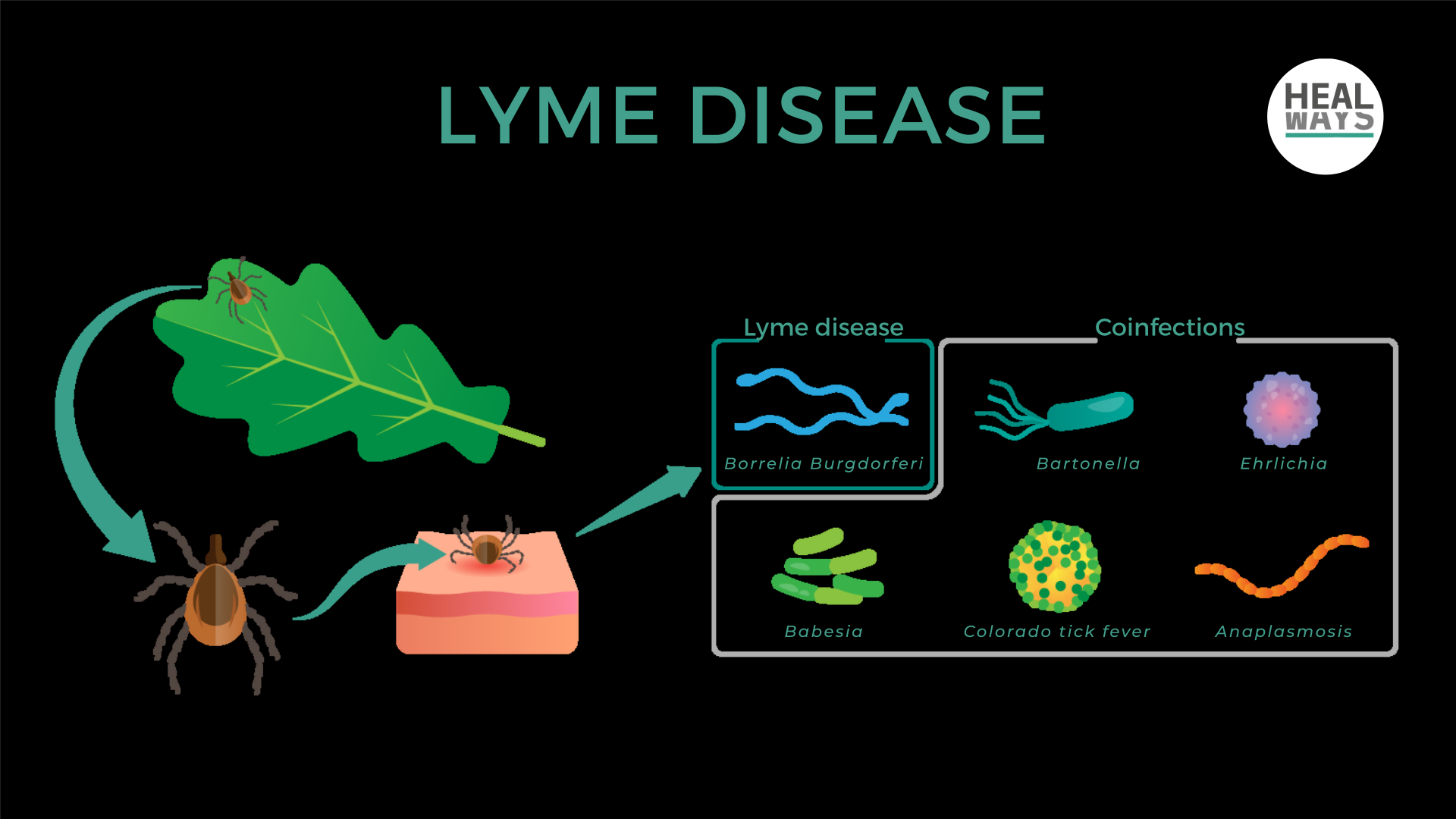
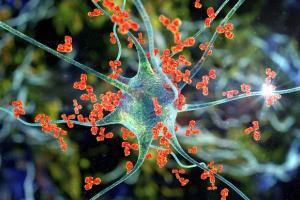
Figure 1: Lyme disease is often spread by ticks, and its pathogen is Borrelia burgdorferi. Common co-infections include Bartonella, Ehrlichia, Babesia, Chlamydia pneumoniae and trachomatis, Mycoplasma, Yersinia, Rickettsia, fungi, molds, viruses (EBV, CMV, HSV, etc.), and parasites
Although Lyme disease is typically spread by ticks, it can also be transmitted via blood, sexually, and in utero 1. For this reason, entire families may be infected, with Lyme disease passed down through generations. In such cases, Lyme infection may underlie what appears to be hereditary disease susceptibility. Based on tests conducted on blood donors—people who considered themselves healthy—the incidence of Lyme infection was as follows: in Italy, 4.9% of the population was infected; in Romania, 4.3%; in southwestern Germany, 16.9%; and in Finland, 19.3%. The infection rate is higher among people who frequently work in forests. Infection has been observed more often in men, but the reason is unknown. 2 Lyme infection itself does not automatically mean disease. When someone also shows characteristic symptoms of Lyme infection, the likelihood of Lyme disease is significantly higher than the frequencies mentioned above. Lyme disease is essentially a clinical diagnosis, meaning a specialist diagnoses it based on symptoms, which may or may not be confirmed by laboratory tests. It can be assumed that many people live with Lyme infection either completely symptom-free or with only mild symptoms, such as gastrointestinal issues. There is currently no convincing evidence that Lyme disease can be completely eradicated. The infection itself does not necessarily cause problems: with appropriate, comprehensive approaches, the bacterial load can often be reduced to a level that allows long-term, high-quality health, even without antibiotic treatment.
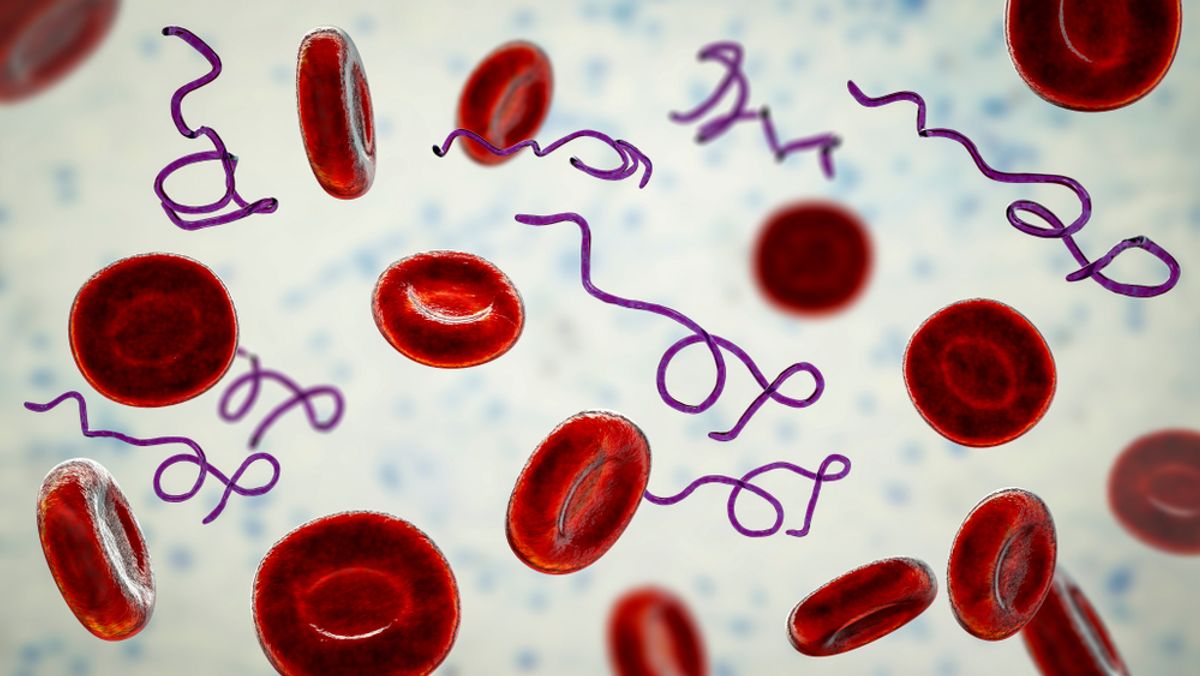
Image 1: The causative agent of Lyme disease: Borrelia bacteria in the blood
Co-infections of Lyme disease
Infections associated with Lyme disease can include other tick-borne diseases, parasites, bacteria, viruses (co-infections), and so-called opportunistic infections. These are microbes that do not cause problems in a healthy body but can readily multiply when the immune system is weakened. In extreme cases, even bacteria commonly found in healthy individuals and considered beneficial can cause problems in a severely compromised body. From a diagnostic perspective, it is difficult to determine which of multiple infections can be considered the leading cause. Lyme disease affects the immune system and often appears as an immunomodulatory co-infection alongside other bacterial and viral infections. In most cases, we are dealing with complex, multiple infections affecting several organ systems, whose interactions are unclear. What is certain is that by burdening the immune system and depleting nutrients, each infection facilitates the proliferation of other pathogens. Common co-infections of Lyme disease include Bartonella, Ehrlichia, Babesia, Chlamydia pneumoniae and trachomatis, Mycoplasma, Yersinia, Rickettsia, Anaplasma, fungi, molds, viruses (EBV, CMV, HSV, etc.), and parasites. The cluster of symptoms caused by Lyme disease and its co-infections is called MSIDS, i.e., Multiple Systemic Infectious Disease Syndrome.
Symptoms of Lyme disease
The infection itself is often asymptomatic, but chronic or acute stressors and lifestyle factors can trigger mild to severe, often fluctuating symptoms. Severe symptoms typically occur when a person's lifestyle changes—for example, when they stop exercising—or after periods of chronic stress, major life events, accidents, or other illnesses. In some cases, the condition also worsens after repeated tick bites, especially during periods of nutrient and vitamin deficiency. In such cases, this is not reinfection but rather a weakened immune system having to fight off new bacterial strains or other pathogens. The symptoms of Lyme disease can affect virtually every medical specialty.
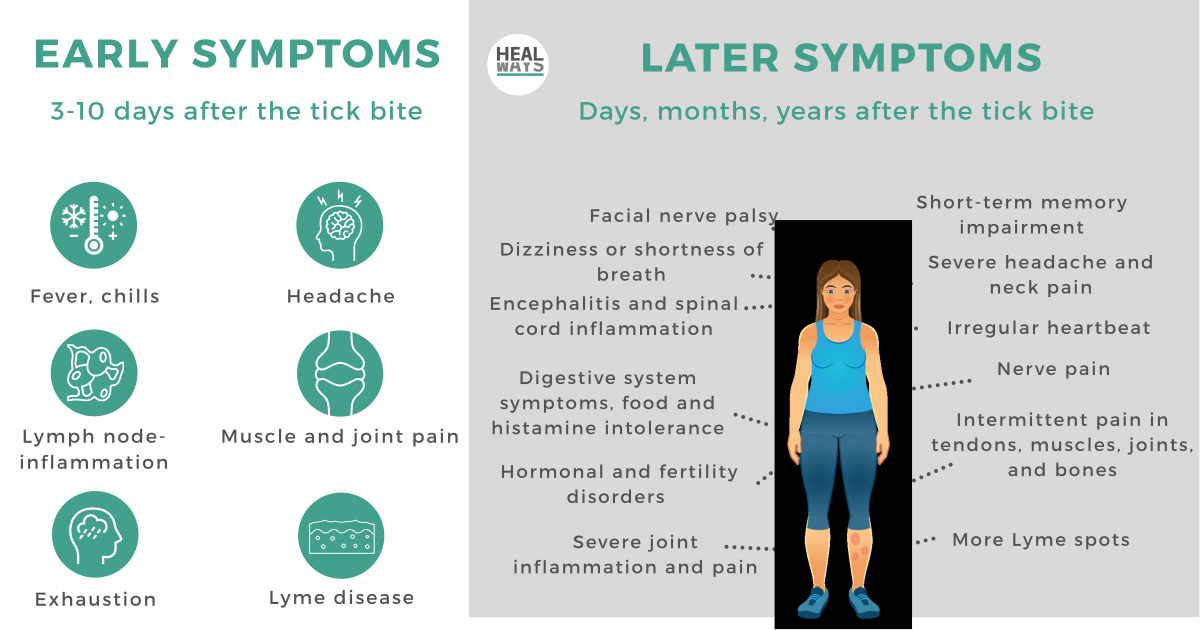
Figure 2: Inflammation, pain, depression, sleep disorders, panic disorder, etc.: Lyme disease can cause a wide variety of symptoms
Typical physical symptoms of Lyme disease:
- Tonsillitis, middle ear infections, sinusitis
- Susceptibility to seasickness
- Joint inflammation (often in the knees)
- Mild to severe pain throughout the body, e.g., around the rib cage
- Back pain, herniated disc (often in the neck)
- Reflux, food intolerances, bloating
- Histamine intolerance 3;
- Hormone deficiency (steroids), fertility problems
- Fatigue
- Difficulty stabilizing blood sugar, insulin resistance
- Skin symptoms: eczema, hives, red spots
- Hair loss, loss of body hair
- Neurological symptoms: visual disturbances, dizziness, drooping eyelids, facial paralysis on one side, tinnitus (ringing in the ears), numbness, “pins and needles”
- Symptoms in severe cases: migrating severe pain, severe chronic fatigue, multiple chemical sensitivity, autoimmune disorders.
Common psychological symptoms:
- Depression, sleep disorders, anxiety, panic attacks
- Anger-management problems, personality disorders
- Short-term memory loss, concentration problems, fatigue
- Loss of stress tolerance
- Severe conditions: severe, sometimes total sleep disturbance, psychiatric symptoms, severe depression, psychosis, dementia
- Lack of energy, lack of motivation, negativity, complaining, feelings of helplessness.
Six signs described by Horowitz that are characteristic of MSIDS
Richard Horowitz, an internationally recognized expert in the field, describes certain signs characteristic of Lyme/MSIDS. MSIDS (Multiple Systemic Infectious Disease Syndrome) is an increasingly common term related to Lyme disease. It is a complex of symptoms consisting of Lyme disease and other tick-borne infections, as well as various bacterial, viral, fungal, and parasitic infections, in patterns that vary from person to person. Horowitz describes the following six signs 4: Sign 1: More than one of the following symptoms is present:
- Fatigue
- Joint and muscle pain
- Tingling, prickling sensation
- Numbness and burning sensation
- Stiff neck
- Headache
- Sensitivity to light and noise
- Dizziness
- Sleep disturbances (difficulty falling and staying asleep)
- Memory and concentration problems
- Chest pain and rapid heartbeat
- Psychiatric symptoms, e.g., depression and anxiety.
Sign 2: There are good days and bad days A characteristic feature of Lyme disease is that symptoms come and go, meaning that there are good days and particularly bad days. Sign 3: Pain changes and moves around Another hallmark of Lyme disease is migrating pain: joint and muscle pain, tingling, stinging, numbness, and burning sensations often come and go or move around the body. For example, joint pain may occur in the knee one day, in the shoulder three days later, and in the ankle two days after that. The same is true for Lyme-induced neuropathy: if the bacteria affect the nerves, tingling, prickling, numbness, and burning sensations migrate between different parts of the body. Sign 4: Symptoms may worsen around the menstrual cycle It is common for women to experience worsening Lyme symptoms immediately before, during, or after their menstrual period. This is not surprising, as these symptoms fluctuate with changing estrogen and progesterone levels. Sign 5: Symptoms improve when someone takes medication for other illnesses Based on patient reports, when taking antibiotics for unrelated illnesses—such as upper respiratory or urinary tract infections—symptoms often improve significantly during treatment, only to worsen again afterward. The opposite can also occur, with the individual feeling much worse and all symptoms intensifying during the course of antibiotic treatment. This is known as the Jarisch–Herxheimer reaction, which occurs when Lyme bacteria are destroyed, causing a temporary worsening of symptoms. Sign 6: Laboratory tests confirm the infection The sixth and final criterion for determining whether Lyme disease underlies existing symptoms is a blood test called Western blot and its results. There are more than 100 strains of Lyme bacteria in the US and 300 worldwide. Although several laboratory tests are available to diagnose Lyme disease (such as the ELISA test, Western blot, PCR, or possibly culture), each has advantages and disadvantages. For example, a test may not be sensitive enough to detect the bacteria. The Western blot test has five Lyme-specific protein bands: 23, 31, 34, 39, and 83/93 kDa. The presence of these, along with the above symptoms (after thoroughly ruling out other diseases), is characteristic of Lyme disease. The appearance of a Lyme rash is also a classic symptom, in which case a positive lab result is not necessary, but in less than half of cases, the rash does not develop, or it may appear in a place where it is difficult to notice.
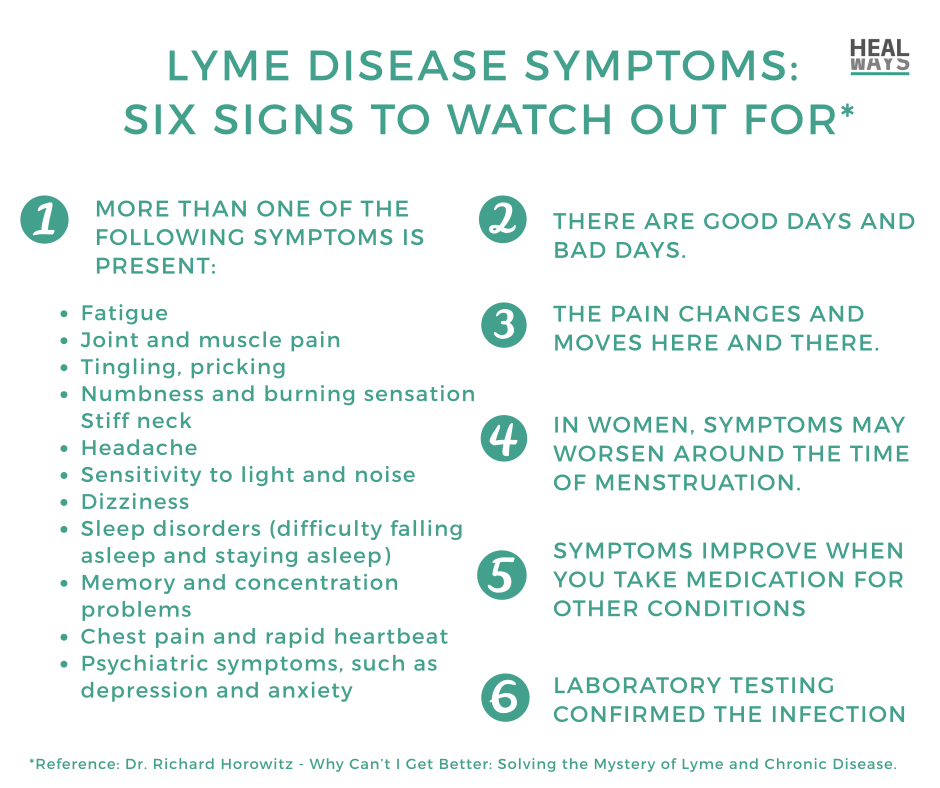
Figure 3: Symptoms of Lyme disease
The following link provides access to a questionnaire that can help assess the likelihood of Lyme disease or MSIDS being present as an underlying cause of the symptoms: https://www.lymeactionnetwork.org/wp-content/uploads/2015/06/MSIDS.pdf
How can Lyme disease be diagnosed?
Confirming Lyme disease with laboratory tests is not always straightforward. The cheaper, TB-funded ELISA procedure is unreliable for Lyme disease. Immunoblot-type tests (such as Western blot) are significantly more reliable, but they also often yield false-negative results both in the early stages of infection and in chronic, immune-compromised states. The significantly more expensive and less accessible Elispot tests (e.g., ArminLabs), which measure cellular immunity, are even more reliable, but even these do not always detect the pathogen. In addition, PCR tests are also used; they are very sensitive and, in theory, may even be prone to false positives, yet if Borrelia cannot be found locally in the tissue sample, they may also give false negatives. This website offers a questionnaire that can help assess the likelihood of Lyme disease/MSIDS based on symptoms. Although the test can serve as an important guide for the respondent, a lower score does not rule out infection, as many infected individuals may be completely asymptomatic. Lyme disease is essentially a clinical diagnosis, meaning that a specialist determines it based on symptoms, which may or may not be confirmed by laboratory results. The appearance of a typical Lyme rash following a tick bite may be sufficient for diagnosis at the family-doctor level, and this is often the case, but unfortunately, the rash is often not visible (e.g., on the scalp) or may not appear at all. The following may indicate chronic or congenital Lyme disease in a patient’s medical history: many typical, even minor symptoms; questionnaire results; symptoms and illnesses of family members; and—even in the absence of a positive Lyme lab result—a series of lab values or typical patterns and clusters of all these findings. The symptoms of chronic Lyme patients are typically diffuse, fluctuating complaints and pains, accompanied by psychological symptoms. Those affected often consult many specialists, but routine tests often do not reflect the subjective severity of symptoms. It is also common for blood test results requested by the family doctor to be largely normal, which means that neither doctors nor relatives take the patient’s complaints seriously enough. People with Lyme disease typically experience severe physical and psychological suffering, which is compounded by a lack of understanding and empathy from those around them.
The background of chronic Lyme disease
Collagenoses and Lyme disease
Borrelia prefers to live in connective tissues, feeding on them and damaging them in several ways. In the early stages of the disease, collagen fibers become edematous and swollen, then begin to break down. 5 Damage to collagen proteins results in a wide variety of skin, joint, and nervous system symptoms (myelin damage), as well as increased tendon fragility, inflammation of blood vessel walls, damage to the protective sheaths surrounding nerves (carpal tunnel syndrome), and disc disease. The symptoms caused by the continuous loss of collagen during Lyme disease can be alleviated by targeted dietary intake of collagen.
The immune system and Lyme disease
Borrelia can downregulate the immune system so they remain undetected and undisturbed in the body 6. However, this immunosuppression also facilitates the proliferation of other opportunistic infections, which further weakens the body (see MSIDS). 7 Borrelia burgdorferi, the causative agent of Lyme disease, activates the innate, non-specific immune response, similar to other bacterial and viral infections. However, due to its special characteristics, the immune system is virtually incapable of destroying the pathogen. In its efforts to do so, it releases large amounts of oxidative and nitrosative radicals and inflammatory cytokines, which in excess are toxic to the body and cause neuroinflammation. This leads to peripheral neuropathies, while inflammation affecting the brain can cause depression, anxiety disorders, brain fog, or other neuropsychiatric symptoms. 8–9
The effects of Lyme disease on the central nervous system
The effects of Lyme disease on the nervous system are partly mediated by the immune system. A study published in December 2020 was the first to investigate the pathomechanism of Borrelia infection in the central nervous system using an animal model. 10 Borrelia multiply in the dura mater early in infection but do not enter the parenchyma itself for a long time. The neurological symptoms that occur despite this are caused by the inflammatory response triggered by the pathogen. Cognitive functions such as attention, perception, and memory are impaired by elevated cytokine, chemokine, and IFN levels, as well as local white blood cell infiltration—responses of the innate immune system (T cells). Cytokine production is regulated by the Toll-like receptor and NF-κB signaling pathways. NF-κB is a nuclear transcription factor that increases both iNO (inducible nitric oxide) production by the NOS enzyme and histamine release, which can lead to symptoms of histamine intolerance/mast cell activation. The relationship also works in reverse, with histamine increasing NF-κB activity. 11 Inducible nitric oxide (iNO) and the peroxynitrite it produces can destroy cyclic amino acids 12. This includes tyrosine, and a lack of tyrosine leads to disturbances in dopamine metabolism, i.e., the motivational system. (This problem can be verified in the laboratory by measuring nitrotyrosine in urine.) Tyrosine is also a precursor of dopamine, norepinephrine, and epinephrine (stress response). Furthermore, the thyroid hormone thyroxine is produced from tyrosine, and a deficiency leads to functional hypothyroidism with lower T4 levels. In addition, coenzyme Q10, usually produced in sufficient quantities in youth, is tyrosine-based; without Q10, neural cells do not function properly. The Q10 deficiency resulting from the conversion of tyrosine to nitrotyrosine leads to numerous problems, including impaired membrane function, mitochondrial energy production, and sugar-metabolism disorders. It may underlie symptoms ranging from heart failure to vision problems to infertility. Last but not least, iNO/peroxynitrite also destroys tryptophan, a precursor of serotonin, and can therefore cause symptoms of depression. 13
Autoimmune diseases and Lyme disease
The body responds to bacterial attacks by increasing inflammation which, if persistent, can cause damage on its own. As with other infections, the first to respond is the innate, non-specific immune system (via oxidative and nitrosative stress and the release of toxic cytokines). Secondarily, as with other infections, the body usually develops a specific immune response, which generally results in rapid, targeted destruction of the pathogen through the production of specific antibodies. However, this type of immune response is also unable to destroy Borrelia: Lyme borrelia can change both their surface proteins and their life forms and are even capable of binding these antibodies. The specific immune response provoked by the presence of Borrelia can be triggered by the surface proteins of certain groups of the body’s own cells. Antibodies against Borrelia burgdorferi (and other opportunistic infections) in chronic Lyme disease can cross-react with various tissues, thereby triggering autoimmune diseases. In many serious autoimmune diseases 14, such as multiple sclerosis 15, rheumatoid arthritis 16–17, psoriasis 18, and atopic dermatitis 19, Lyme borrelia and certain associated infections appear to play a role in disease development. It is not entirely clear whether the causative agent of Lyme disease is present in all cases, nor which other pathogens might cause similar complex diseases on their own, without Borrelia. Possible pathogens include Bartonella and Chlamydia. A similar relationship is also assumed between the Yersinia enterocolitica strain—also known as a Lyme co-infection—and Graves’ disease. 20–21
Mitochondria, chronic infections, and Lyme disease
A significant portion of chronic Lyme symptoms is caused by collagen damage, constantly fluctuating levels of inflammation, and mitochondrial injury. It is usually not the pathogens themselves that cause the characteristic symptoms of infection, but the immune system’s attempts to destroy them—i.e., inflammatory cytokines, other toxic compounds, and inducible nitric oxide (iNO) produced during immune activity. Fever itself is a healing process, as many dangerous pathogens cannot withstand higher body temperatures, and certain cytokines are more effective at elevated temperatures. The usefulness of fever reduction has been questioned by several studies. 22 In chronic infections, the immune response typically fluctuates depending on the body’s current general condition. The immune system is often active, producing compounds that are toxic to bacteria and viruses. Unfortunately, these same substances also damage certain hormones, compounds, structures, membranes, and mitochondria in the body (so-called “friendly fire”). These processes can result in mitochondrial damage alongside clinical/subclinical chronic inflammation. Mitochondria are the structures most sensitive to the damaging effects of the immune response. These tiny organelles were once independent organisms (bacteria) and now live in endosymbiosis with our cells. They have many essential functions, such as energy production; pregnenolone production, the precursor of all steroid hormones; apoptosis (programmed cell death); cell division and differentiation, which are important for immune function; and heme synthesis, the basis of hemoglobin. Mitochondria have extremely high micronutrient requirements but are also highly sensitive to heavy metals, environmental toxins, and radiation. Since mitochondria are of bacterial origin, anything aimed at destroying pathogens can also damage them. In prolonged infectious diseases, this includes the natural immune response and antibiotic treatments. Symptoms of mitochondrial damage include energy deficiency, chronic fatigue, immunodeficiency, and a variety of steroid-deficiency conditions, including insulin resistance, autoimmune diseases, histamine intolerance/mast cell activation syndrome, allergies, fertility disorders, and infertility.
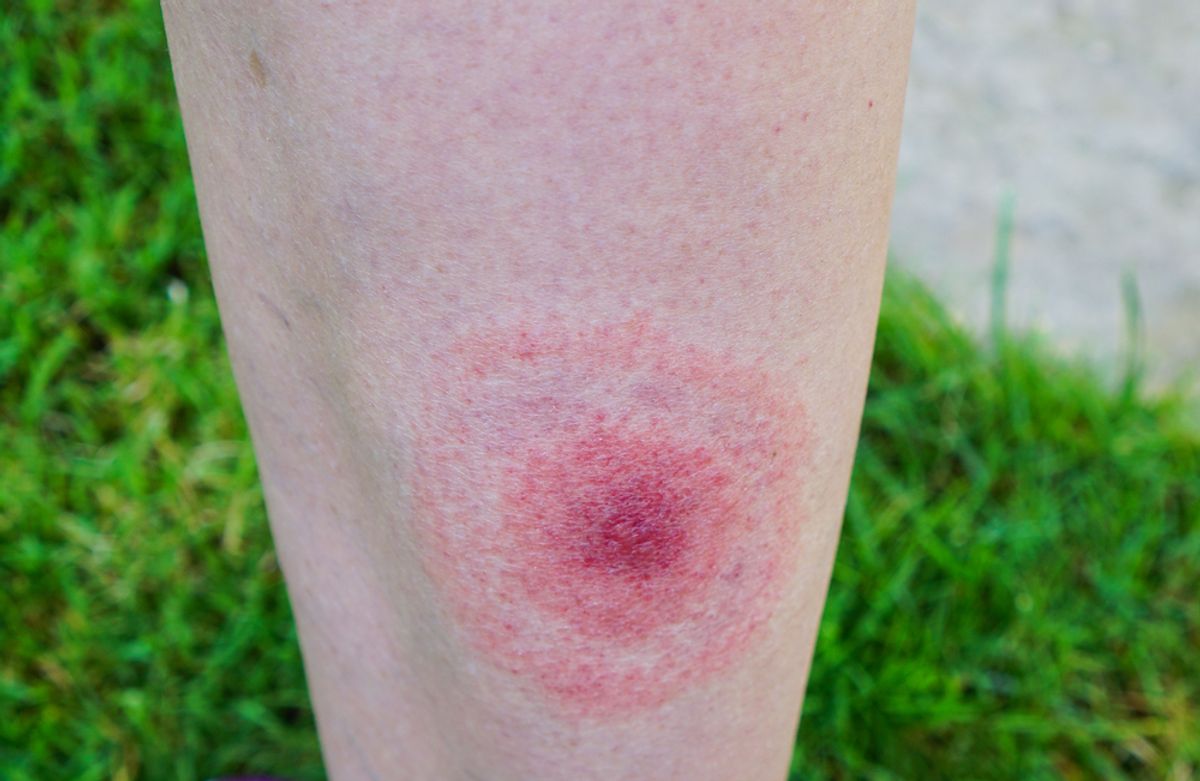
Image 2: A classic symptom of Lyme disease is the Lyme rash. However, in less than half of cases, it does not appear at all or develops in a place where it is difficult to notice
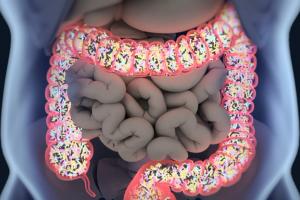
How is Lyme disease related to the intestinal flora?
Borrelia species are not usually detectable in the gut flora; according to some studies, Borrelia prefer the connective tissue surrounding the intestine. Although Borrelia primarily live in other tissues, the composition and function of the gut flora can still influence the course of Lyme disease and the immune response.
The immunological role of the gut microbiome
Lyme infection itself affects the intestinal flora; studies have found a decrease in species that produce butyric acid (butyrate). Antibiotic treatment further reduces species important for fermentation and the breakdown of fiber, amino acids, and carbohydrates. Butyric acid is one of the most important short-chain fatty acids in the intestinal flora, playing a key role in supplying energy to intestinal epithelial cells and maintaining the integrity of the intestinal barrier. It also has an immunomodulatory effect: it promotes Treg-cell function and reduces the production of inflammatory cytokines, thereby contributing to immune balance and preventing excessive inflammation. In Lyme disease, a decrease in butyrate-producing species weakens the intestinal mucosal defense, making the barrier vulnerable and possibly “permeable.” The phenomenon of “leaky gut” allows bacterial toxins (e.g., LPS) to enter the bloodstream, provoking systemic immune activation, inflammation, and neuroimmunological symptoms. 23
In cases of dysbiosis (unfavorable gut composition) and “leaky gut,” the production of inflammatory cytokines increases, contributing to Lyme arthritis symptoms and autoimmune processes. Borrelia-derived antigens can induce autoantibodies and T-cell cross-reactions through molecular mimicry, which can maintain Lyme symptoms long after infection. These autoimmune processes and immunological abnormalities can be further exacerbated by nonspecific immune responses caused by dysbiotic flora.
Antibiotic therapy and the gut microbiome
Although antibiotic treatment can be effective against Lyme disease, at least 10% of patients experience persistent symptoms. Long-term antibiotic therapy used for Lyme disease can upset the balance of the gut flora. An increase in certain families and genera (e.g., Blautia, Enterobacteriaceae) and a decrease in others (e.g., Bacteroides) produce a pattern that adversely affects immunomodulation. Paradoxically, this can cause further immune disorders, exacerbate digestive complaints, and promote the proliferation of opportunistic pathogens. 24–25
The herbal extracts used in Lyme disease are not only beneficial to the intestinal flora; with prolonged use, they can destroy not only pathogenic bacteria but also beneficial ones. These effects can only be mapped with microbiome testing.
Interesting fact: During the Jarisch–Herxheimer reaction, the destruction of Borrelia by antibiotics can cause a temporary deterioration in the patient’s condition. This is triggered by lipoproteins and endotoxin-like substances released from dying spirochetes, which induce pro-inflammatory cytokine production.
Gut–brain axis and neurological symptoms
Lyme infection often affects the cranial nerves, including the vagus nerve, which is central to the parasympathetic nervous system and gut–brain communication. Its involvement can itself cause digestive problems, including intestinal dysfunction or reduced production of digestive enzymes. Disturbance of intestinal innervation and enzyme deficiencies lead to the proliferation of putrefactive or pathogenic bacteria; the associated dysbiosis and inflammation can directly increase the burden on the nervous system, causing fatigue and anxiety.
Options for restoring the intestinal flora to enhance therapy
Given the pro-inflammatory and immune-burdening effects of Lyme disease, as well as its direct and indirect effects on the microbiome—especially with repeated antibiotic treatments—it is worth treating microbiome restoration as part of the therapeutic strategy. 23, 26
Stool-flora testing enables targeted, personalized restoration: after identifying dysbiosis, individual dietary, prebiotic, and probiotic interventions can be implemented. After antibiotic treatment, pre- and probiotic preparations used without knowledge of the exact composition of the intestinal flora can be counterproductive, delaying or even inhibiting recovery. 27
Interesting fact: Hygromycin A, a new, narrow-spectrum, selective antibiotic against Borrelia, offers hope. It has been shown effective in mouse models while sparing the intestinal flora and posing a low risk of resistance development. 24
Anti-inflammatory dietary recommendations: a diet rich in omega-3 fatty acids and low in omega-6 fatty acids and refined carbohydrates.
Micronutrient supplementation: vitamin D, vitamin A, zinc, copper, magnesium, antioxidants, and collagen.
Lifestyle therapy: stress management, moderate aerobic exercise, heat therapy (sauna, hot baths), oxygen therapy—all support the immune system and harmonize the gut–brain axis. 24
The complex symptoms of Lyme disease are influenced not only by Borrelia infection itself but also by the condition of the intestinal flora. Dysbiosis, leaky gut, and gut–brain axis dysfunction can all contribute to persistent inflammation, activation of the immune system, and exacerbation of neurological symptoms. Targeted testing and restoration of the microbiome, as well as support for the immune and nervous systems, offer a comprehensive therapeutic option that can alleviate symptoms and improve quality of life in Lyme disease.
At HealWays, we provide counseling using a modern, shotgun-based microbiome testing diagnostic tool. Based on the results, we develop a personalized, targeted treatment plan that may include dietary and lifestyle recommendations, as well as targeted micronutrient, prebiotic, and probiotic supplementation.
Further correlations with Lyme disease
Trauma, stress, and Lyme disease
Severe stress and the development of Lyme symptoms are interrelated. Prolonged stress, including social stress, reduces immune defenses, which can lead to flare-ups of infections. As a result, various forms of stress often cause those affected to progress from a symptom-free state to a more serious illness. Conversely, people infected with Lyme disease often have a harder time coping with existing stress, depending on their current condition. There are several reasons for this:
- The direct effect of Lyme on the nervous system
- Effects mediated by the immune system (subclinical inflammation)
- Complex health impairments characteristic of multiple chronic infections
- Mitochondrial dysfunction.
Following stressful periods or life events—such as trauma, loss of a job or partner, or in some cases accidents—Lyme patients often report severe symptoms. Given the diffuse and fluctuating nature of the symptoms, they are often assumed to be psychological and are frequently considered psychosomatic. Psychological therapies and processing traumatic events are recommended for people suffering from chronic Lyme disease, as they can sometimes stabilize the condition. Psychological procedures can be an important part of the solution, but they are often not sufficient on their own. Given that these cases involve one or more infections and the resulting condition, treatment must be tailored accordingly. The main task is to support the body’s regeneration and immune function and to reduce pathogen load with as few agents as possible that cause secondary damage. An ideal solution takes into account individual characteristics, lifestyle, abilities, and opportunities, as well as the extent of damage.
Lyme/MSIDS symptoms and genetics
Certain genetic characteristics can exacerbate chronic Lyme disease:
- The genetics of the vitamin D receptor (VDR)
- Genetically faster/slower variants of certain liver enzymes (phase I and phase II enzymes), as well as unfavorable combinations of these variants, may also underlie persistent symptoms. Those affected typically react poorly or overly sensitively to chemicals, medications, and in some cases vitamins. Gilbert’s disease (a 70–75% reduction in production of the enzyme UDP-glucuronyltransferase, UDP-GT1-A1) is common, for example. Higher bilirubin levels may also raise suspicion in laboratory results. Gilbert’s disease is often asymptomatic, but affected individuals have more difficulty detoxifying certain toxins, which can exacerbate symptoms in connection with Lyme disease. They also have more difficulty coping with stress; for example, their skin and the whites of their eyes may turn yellow under stress.
- Several variants of the MTHFR enzyme are known, in homozygous and heterozygous forms. When present, natural forms (methylfolate) are recommended instead of supplementing with synthetic compounds (folic acid).
Lyme/MSIDS and environmental toxins
Today, people are exposed to numerous environmental toxins, solvents, pesticides, and toxic metals. These pose a serious problem, as they inhibit mitochondrial and immune function while burdening the body’s detoxification processes. Toxins can cause serious problems even without chronic infections, especially in cases of unfavorable liver-enzyme genetics. In the presence of Lyme/MSIDS, the body has even more difficulty handling these toxins, and those affected may react with increased sensitivity and symptoms.
Lyme/MSIDS and dental problems
Dental foci and exposure to metals and chemicals associated with unfavorable dental solutions—such as amalgam fillings or inadequate protection during their removal—can often pose a serious risk factor and even cause severe symptoms. It is recommended that these be examined and resolved with the help of a suitable, preferably biologically minded dentist. Biological dentistry considers the effects of certain dental materials, such as fillings and implants, on the entire body and pays close attention to identifying and eliminating hidden dental foci. Examples include root-treated teeth or isolated necrosis, NICO (Neuralgia-Inducing Cavitational Osteonecrosis) in the jawbone. These occur after tooth extractions when some root membrane remains at the extraction site, and a small cavity filled with fatty material and harboring bacteria forms in that part of the jaw.
How does nutrition affect the condition of people with Lyme disease?
Patients with Lyme disease are specifically advised to follow a diet containing as few inflammatory ingredients as possible. Omega-6 fatty acids and refined carbohydrates, for example, should be limited. The symptoms of Lyme disease are largely caused not by the pathogen itself but by the nonspecific immune response to it and by subclinical inflammation present at fluctuating levels. It is important to keep inflammation as low as possible, which can be achieved in part through nutrition. In addition to avoiding pro-inflammatory ingredients, it is recommended to consume foods with anti-inflammatory properties, such as collagen proteins, omega-3 fatty acids, and plant compounds like pigments, polyphenols, and selective fibers to support the gut flora. Lyme disease often causes digestive problems, such as low stomach acid and enzyme deficiencies, by affecting the vagus nerve. For this reason, diet and lifestyle factors must be taken into account, and it is advisable to support digestive functions. Some typical symptoms of Lyme disease are caused by Borrelia consuming the body’s collagen proteins. Therefore, targeted intake of collagen from dietary sources can help reduce damage by providing the raw material needed to repair collagen-containing tissues. In addition, many plant-based compounds have antimicrobial effects, such as coconut oil, essential oils from green herbs, and garlic. Including these in the diet can also be an important part of defense. In general, the intake of appropriate micro- and macronutrients can have a significant impact on bodily function and is also a prerequisite for long-term health. For this reason, it is important to ensure that nutrients are consumed in the right form and quantity when planning the diet.
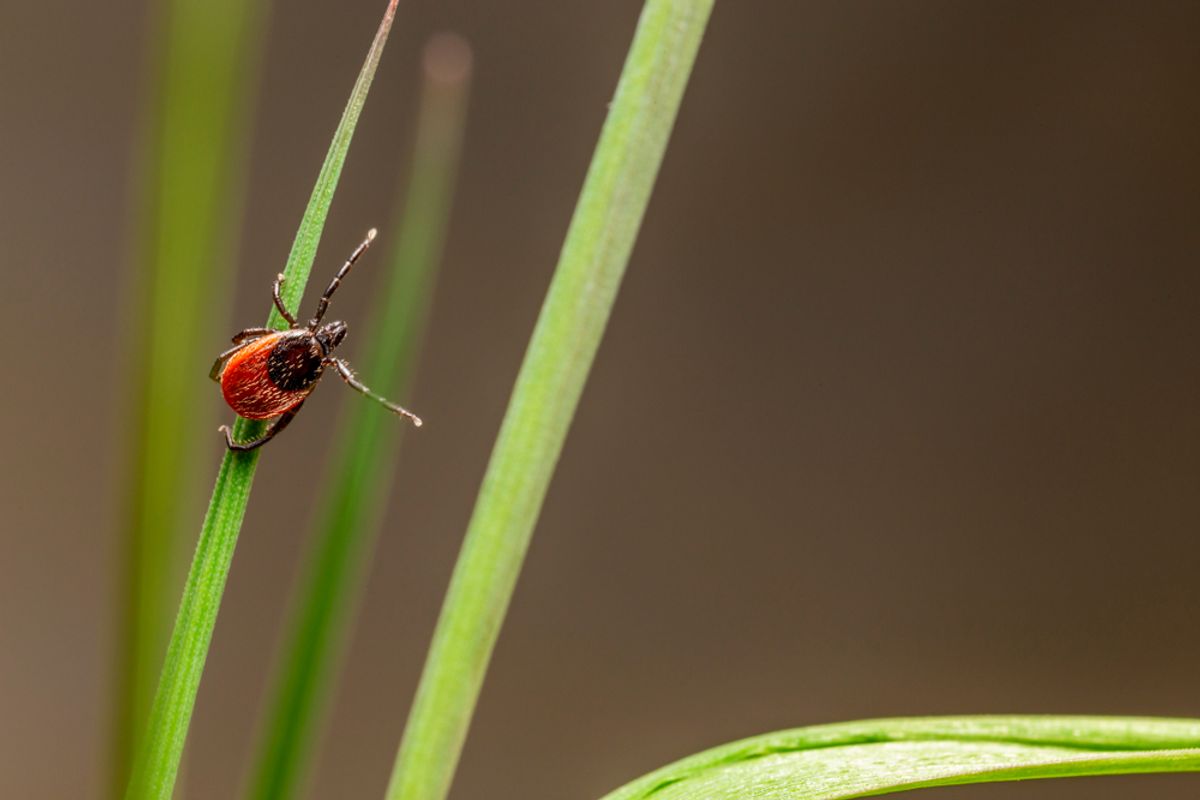
Image 3: Common tick (Ixodes ricinus), the main carrier of Lyme disease
How can Lyme disease be treated?
Although many people are infected with Lyme disease, this does not necessarily mean they will develop illness. However, infection can weaken the body’s defenses, allowing symptoms to develop. This is why vitamin deficiencies—particularly vitamin D—as well as dietary deficiencies of certain micronutrients and proteins, severe and/or prolonged stress, the presence of other infections, and even environmental or other toxins are such important factors, as they can all lead to a weakened immune system. In addition, inappropriate lifestyle factors and lack of exercise can also allow pathogens to become active. Chronic Lyme disease and other chronic infections do not primarily impair health directly but rather through a number of complex, multistage processes. Lyme disease can be treated in the following ways:
- Stool-flora testing enables targeted, personalized recovery.
- Adherence to dietary and nutritional-supplement protocols supports the body’s natural defenses and continuous regeneration.
- Anti-inflammatory, immune-balancing dietary elements and the intake of mitochondrial cofactors reduce the damage caused.
- Lifestyle factors targeting Lyme borrelia specifically (with the goal of increasing oxygenation and body temperature: aerobic exercise, sauna, hot baths)
- Consumption of natural plant-based compounds and following an iodine protocol to destroy microbes
- Antibiotic treatments (alongside parallel probiotic therapy with H2O2-producing bacterial strains to disrupt biofilm and reduce the risk of Clostridium difficile)
- Other therapeutic options, such as intravenous oxygen therapy, hyperbaric oxygen, hyperthermia, etc.
- Stress-management techniques, such as relaxation and psychological therapies to reduce stress.
Based on current knowledge, Lyme borrelia cannot be eradicated, but maintaining or restoring health can be achieved through a number of different approaches. To increase effectiveness, it is advisable to apply these in different combinations based on individual considerations.
We help you maintain your health
Even with Lyme disease, you can live a healthy, full life. Contact our experts to develop a personalized nutrition and lifestyle protocol!
Find out what's happening in your gut.
A comprehensive microbiome analysis reveals the composition of your gut flora — and gives you a concrete starting point for next steps.
Order the testReferences
30 referencesReferences
[1] M. J. Middelveen et al., “Culture and identification of Borrelia spirochetes in human vaginal and seminal secretions,” F1000Research, vol. 3, p. 309, 2014, DOI: https://doi.org/10.12688/f1000research.5778.3
[2] H. Wilking, V. Fingerle, C. Klier, M. Thamm, and K. Stark, “Antibodies against Borrelia burgdorferi sensu lato among Adults, Germany, 2008–2011,” Emerg. Infect. Dis., vol. 21, no. 1, pp. 107–110, Jan. 2015, DOI: https://doi.org/10.3201/eid2101.140009
[3] J. Talkington and S. P. Nickell, “Borrelia burgdorferi Spirochetes Induce Mast Cell Activation and Cytokine Release,” Infect. Immun., vol. 67, no. 3, pp. 1107–1115, Mar. 1999, DOI: https://doi.org/10.1128/iai.67.3.1107-1115.1999
[4] “MSIDS – Multiple Systemic Infectious Disease Syndrome Information,” Lyme Action Network http://www.lymeactionnetwork.org/msids/
[5] K. E. Müller, “Damage of Collagen and Elastic Fibres by Borrelia Burgdorferi – Known and New Clinical and Histopathological Aspects,” Open Neurol. J., vol. 6, pp. 179–186, Dec. 2012, DOI: https://doi.org/10.2174/1874205X01206010179
[6] R. A. Elsner, C. J. Hastey, K. J. Olsen, and N. Baumgarth, “Suppression of Long-Lived Humoral Immunity Following Borrelia burgdorferi Infection,” PLoS Pathog., vol. 11, no. 7, July 2015, DOI: https://doi.org/10.1371/journal.ppat.1004976
[7] C. Kresser, “Your Comprehensive Guide to Lyme Disease,” Your Comprehensive Guide to Lyme Disease, July 18, 2019 https://chriskresser.com/your-comprehensive-guide-to-lyme-disease/
[8] G. Ramesh, L. Santana-Gould, F. M. Inglis, J. D. England, and M. T. Philipp, “The Lyme disease spirochete Borrelia burgdorferi induces inflammation and apoptosis in cells from dorsal root ganglia,” J. Neuroinflammation, vol. 10, p. 88, July 2013, DOI: https://doi.org/10.1186/1742-2094-10-88
[9] G. Ramesh et al., “Inflammation in the Pathogenesis of Lyme Neuroborreliosis,” Am. J. Pathol., vol. 185, no. 5, pp. 1344–1360, May 2015, DOI: https://doi.org/10.1016/j.ajpath.2015.01.024
[10] T. Casselli, A. Divan, E. E. Vomhof-DeKrey, Y. Tourand, H. L. Pecoraro, and C. A. Brissette, “A murine model of Lyme disease demonstrates that Borrelia burgdorferi colonizes the dura mater and induces inflammation in the central nervous system,” PLOS Pathog., vol. 17, no. 2, p. e1009256, Feb. 2021, DOI: https://doi.org/10.1371/journal.ppat.1009256
[11] R. A. Bakker, S. B. Schoonus, M. J. Smit, H. Timmerman, and R. Leurs, “Histamine H(1)-receptor activation of nuclear factor-kappa B: roles for G beta gamma- and G alpha(q/11)-subunits in constitutive and agonist-mediated signaling,” Mol. Pharmacol., vol. 60, no. 5, pp. 1133–1142, Nov. 2001, DOI: https://doi.org/10.1124/mol.60.5.1133
[12] H. Ahsan, “3-Nitrotyrosine: A biomarker of nitrogen free radical species modified proteins in systemic autoimmunogenic conditions,” Hum. Immunol., vol. 74, no. 10, pp. 1392–1399, Oct. 2013, DOI: https://doi.org/10.1016/j.humimm.2013.06.009
[13] C. N. Black, M. Bot, P. G. Scheffer, P. Cuijpers, and B. W. J. H. Penninx, “Is depression associated with increased oxidative stress? A systematic review and meta-analysis,” Psychoneuroendocrinology, vol. 51, pp. 164–175, 0 2015, DOI: https://doi.org/10.1016/j.psyneuen.2014.09.025
[14] D. D. Bolz and J. J. Weis, “Molecular mimicry to Borrelia burgdorferi: pathway to autoimmunity?,” Autoimmunity, vol. 37, no. 5, pp. 387–392, 0 2004, DOI: https://doi.org/10.1080/08916930410001713098
[15] J. Chmielewska-Badora, E. Cisak, and J. Dutkiewicz, “Lyme borreliosis and multiple sclerosis: any connection? A seroepidemic study,” Ann. Agric. Environ. Med. AAEM, vol. 7, no. 2, pp. 141–143, 2000 https://www.aaem.pl/Lyme-borreliosis-and-multiple-sclerosis-any-connection-A-seroepidemic-study-,72720,0,2.html
[16] Y.-F. Hsieh et al., “Serum reactivity against Borrelia burgdorferi OspA in patients with rheumatoid arthritis,” Clin. Vaccine Immunol. CVI, vol. 14, no. 11, pp. 1437–1441, 0 2007, DOI: https://doi.org/10.1128/CVI.00151-07
[17] E. S. Raveche et al., “Evidence of Borrelia Autoimmunity-Induced Component of Lyme Carditis and Arthritis,” J. Clin. Microbiol., vol. 43, no. 2, pp. 850–856, Feb. 2005, DOI: https://doi.org/10.1128/JCM.43.2.850-856.2005
[18] S. L. Arvikar, J. T. Crowley, K. B. Sulka, and A. C. Steere, “Autoimmune Arthritides, Rheumatoid Arthritis, Psoriatic Arthritis, or Peripheral Spondyloarthropathy, Following Lyme Disease,” Arthritis Rheumatol. Hoboken NJ, vol. 69, no. 1, pp. 194–202, Jan. 2017, DOI: https://doi.org/10.1002/art.39866
[19] M. Gantz and H. Allen, “Psoriasis, Atopic Dermatitis, Lyme Disease and Tinea Versicolor: All caused by Microbes but none a Classic Infection,” J. Clin. Exp. Dermatol. Res., vol. 7, 0 2016, DOI: https://doi.org/10.4172/2155-9554.1000362
[20] P. Heyma, L. C. Harrison, and R. Robins-Browne, “Thyrotrophin (TSH) binding sites on Yersinia enterocolitica recognized by immunoglobulins from humans with Graves’ disease.,” Clin. Exp. Immunol., vol. 64, no. 2, pp. 249–254, May 1986 https://pmc.ncbi.nlm.nih.gov/articles/PMC1542330/
[21] K. Bech, “Yersinia enterocolitica and Thyroid Disease,” in Autoimmune Thyroiditis, Berlin, Heidelberg, 1991, pp. 215–219, DOI: https://doi.org/10.1007/978-3-642-76301-4_24
[22] D. J. D. Earn, P. W. Andrews, and B. M. Bolker, “Population-level effects of suppressing fever,” Proc. R. Soc. B Biol. Sci., vol. 281, no. 1778, Mar. 2014, DOI: https://doi.org/10.1098/rspb.2013.2570
[23] E. G. Napier et al., “Borreliosis and doxycycline treatment disrupt gut microbiota and immune responses in nonhuman primates,” mBio, vol. 16, no. 8, pp. e01437-25, June 2025, DOI: https://doi.org/10.1128/mbio.01437-25
[24] N. C. Talbot et al., “Lyme Disease and Post-treatment Lyme Disease Syndrome: Current and Developing Treatment Options,” Cureus, vol. 15, no. 8, p. e43112, DOI: https://doi.org/10.7759/cureus.43112
[25] R. P. Smith, “Lyme Disease,” Ann. Intern. Med., vol. 178, no. 5, pp. ITC65–ITC80, May 2025, DOI: https://doi.org/10.7326/ANNALS-25-01111
[26] M. Morrissette et al., “A Distinct Microbiome Signature in Posttreatment Lyme Disease Patients,” mBio, vol. 11, no. 5, pp. e02310-20, Sept. 2020, DOI: https://doi.org/10.1128/mBio.02310-20
[27] J. Suez et al., “Post-Antibiotic Gut Mucosal Microbiome Reconstitution Is Impaired by Probiotics and Improved by Autologous FMT,” Cell, vol. 174, no. 6, pp. 1406-1423.e16, Sept. 2018, DOI: https://doi.org/10.1016/j.cell.2018.08.047