Thyroid gland – Disorders, Symptoms, and Treatment Options


The thyroid gland is one of the most important hormone-producing glands in the human body, playing a key role in regulating metabolic processes. Balanced thyroid hormones are essential for healthy bodily function. However, thyroid disorders are increasingly common worldwide—especially hypothyroidism (underactive thyroid), which involves reduced hormone production and is estimated to affect more than 10% of adults, typically women. The most common cause is Hashimoto’s thyroiditis, an autoimmune disease. Hyperthyroidism (overactive thyroid) is less common (0.2%–2.5%) and also mainly affects women; its most frequent cause is Graves’ disease, which is likewise autoimmune. Early detection and understanding of the causes are crucial for proper treatment and restoration of health. 1–2
Hormone production in the thyroid gland
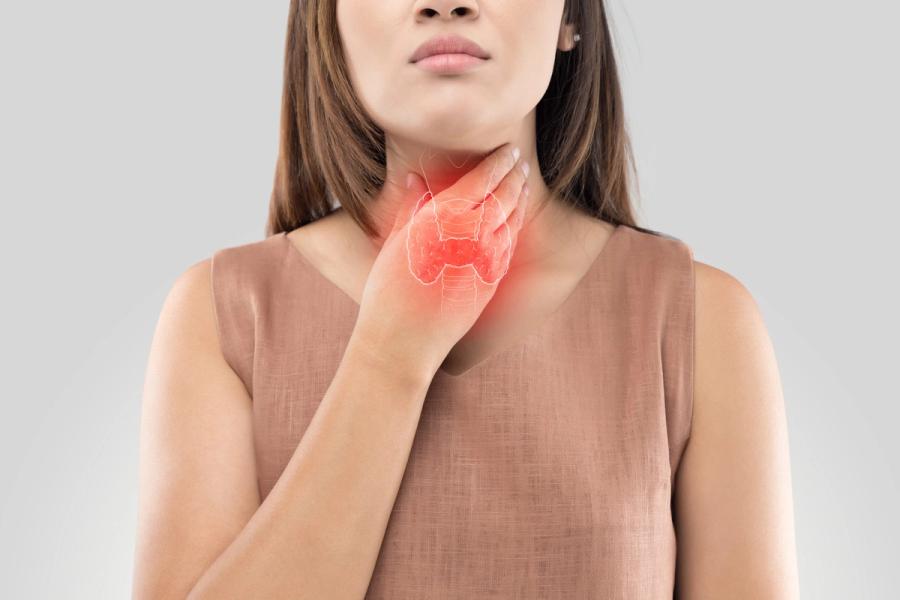
The thyroid is a small, butterfly-shaped gland at the front of the neck, below the larynx. Despite its size, it plays an essential role in bodily function. Follicular cells are the thyroid’s key functional units: they produce thyroid hormones and form the gland’s small sac-like structures, called follicles. The hormones they produce—thyroxine (T4) and triiodothyronine (T3)—affect many cells because several cell types in the body have thyroid hormone receptors. These hormones are central to regulating metabolism, body temperature, and the menstrual cycle, as well as energy production, growth (e.g., hair and nails), and the proper functioning of the heart and nervous system. 1, 3 T4 is produced in larger quantities and is mainly a stored, less active form that reaches tissues via the bloodstream, where it is converted to T3. T3 is the biologically active form that exerts its effects within cells and acts as the “accelerator” of metabolism, increasing energy production and cellular function. Although still somewhat controversial, under stress the body may produce not active T3 but so-called reverse T3 (rT3), which also binds to T3 receptors but does not activate them, thereby preventing the binding of active T3. This process has a “braking” effect and aims to protect the body from overload by slowing metabolism. 1, 3–4 Hormone production is governed by a regulated feedback system controlled by two brain regions: the hypothalamus and the pituitary gland (hypophysis). The hypothalamus produces TRH (thyrotropin-releasing hormone), which stimulates the pituitary to release TSH (thyroid-stimulating hormone). TSH acts directly on the thyroid, stimulating production and release of T3 and T4, thereby ensuring balanced metabolic processes. The T3 and T4 produced regulate the rate of TSH secretion through negative feedback, maintaining hormonal balance in a continuously functioning, finely tuned system. 3, 5–7
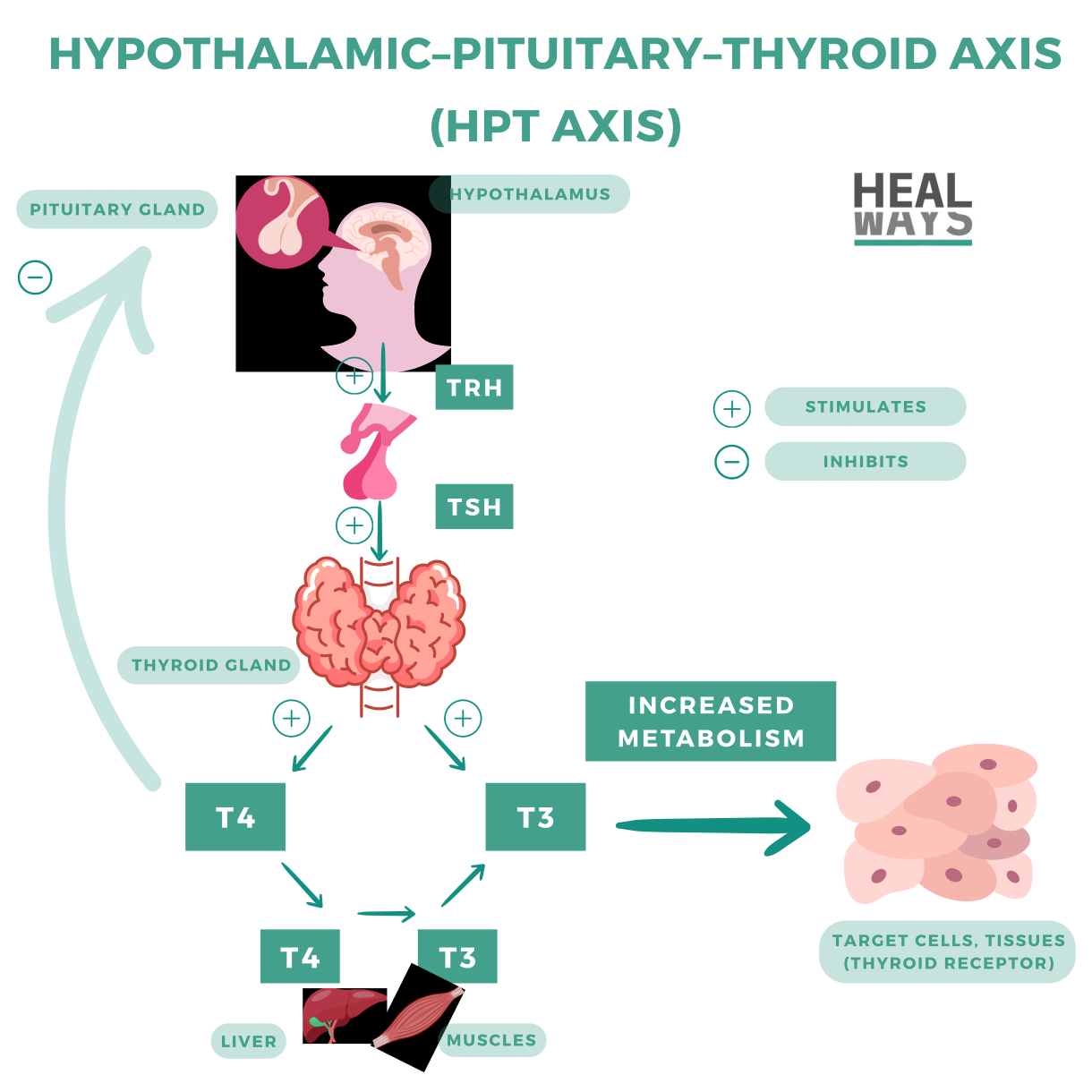
Figure 1. The hypothalamic–pituitary–thyroid axis
The effects of T3 and T4 occur at the cellular level. The hormones enter cells via transporters and, by binding to nuclear receptors, regulate gene function and expression, enable targeted protein production, increase mitochondrial activity (the cell’s powerhouses), raise metabolism, stimulate protein, carbohydrate, and fat breakdown, and support cardiovascular health and mental development. 8–11
Which micronutrients are necessary for optimal thyroid hormone production?
Iodine: Iodine is essential for thyroid hormone production. It enters the body through food as iodide ions and is incorporated into thyroid hormones as elemental iodine. 12–13 Iron: Iodide ions enter thyroid cells via a special transport system and are converted to elemental iodine by the enzyme TPO (thyroid peroxidase) in the presence of hydrogen peroxide. Iron is essential for TPO function. 13 Vitamins: A, B2, B3, B6, C, D, E—all play roles in thyroid function and immune health. Selenium: The inactive T4 hormone is mainly activated in the liver and intestinal tract by deiodinase enzymes. During this process, one iodine atom is split from T4 to form active T3. This conversion occurs in peripheral tissues and requires selenium as a necessary cofactor for deiodinase function. 13 Tyrosine: In the thyroid, the elemental iodine produced binds to the amino acid tyrosine, which is incorporated into a protein called thyroglobulin (Tg) and serves as the basis for thyroid hormones. Four iodine atoms together with two tyrosine molecules form T4, while T3 is formed from three iodine atoms and two tyrosine molecules. A prerequisite for this process is sufficient protein intake and proper digestion. When protein breakdown is poor (e.g., due to reduced stomach acid or intestinal inflammation), tyrosine may be insufficient, inhibiting hormone production. 14
What types of thyroid dysfunction are there?
Hypothyroidism occurs when the thyroid cannot produce enough hormone, or T4 is not properly converted to T3. This slows metabolism and is often caused by Hashimoto’s thyroiditis. In this condition, the immune system mistakenly attacks thyroid tissue, which gradually loses its ability to produce hormones. Hypothyroidism is often associated with high TSH and low T4 and is diagnosed by blood tests and detection of antibodies (e.g., anti-TPO, anti-TG, TRAK). It is usually treated with the synthetic hormone levothyroxine, which replaces T4. 15 Hyperthyroidism is characterized by increased hormone production, leading to elevated metabolism. The most common cause is Graves’ disease, also autoimmune in origin, in which antibodies produced by the immune system—TSH receptor antibodies (TSAb)—stimulate the thyroid to work harder, resulting in excessive hormone production. Treatment depends on the cause and may include medication, radioiodine therapy, or surgery. 15 Goiter (struma) is an enlargement of the thyroid. It can be diffuse (even) or nodular. Common causes include iodine deficiency, inflammation, or hormonal imbalance. A thyroid nodule is a well-defined lesion within the gland, which may be benign or malignant, functional (hormone-producing) or inactive. Goiters and nodules are particularly common with age and affect women more frequently. They are most often benign, but periodic ultrasound monitoring is advisable and, if necessary, isotope diagnostics or tissue sampling can rule out more serious disease. 15 An autonomous adenoma is a benign thyroid tumor that produces hormones independently of pituitary TSH regulation and can therefore lead to hyperthyroidism. Malignant thyroid tumors are relatively rare, yet they are the most common endocrine cancers and are often discovered incidentally. 15–16 Many factors can cause thyroid dysfunction: iodine deficiency, autoimmune thyroid disease, medications, infections, and tumors. Iodine deficiency remains the leading cause of goiter and hypothyroidism in some regions, while autoimmune thyroid diseases are more common in countries with adequate iodine supply. 15
What are the symptoms of thyroid dysfunction?
Thyroid hormones (T4 and T3) affect almost every cell, so dysfunction can cause a wide range of symptoms. Symptoms often develop gradually over years and are frequently nonspecific. This is especially true for hypothyroidism, which can go unnoticed for a long time because laboratory values often remain within the “normal” range even though the patient already has symptoms. 3, 17–19
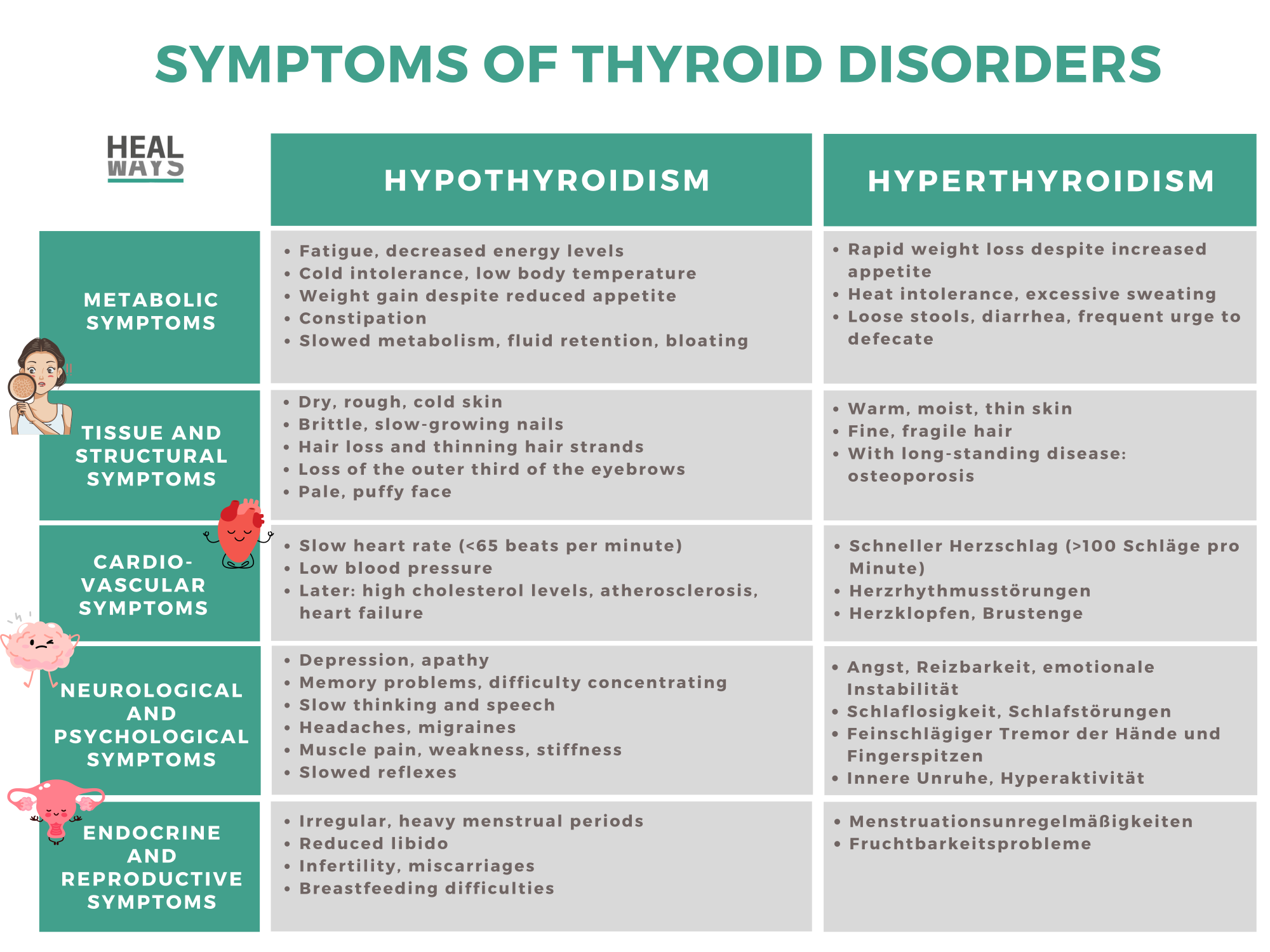
Figure 2. Symptoms of thyroid disorders
Symptoms in specific conditions of underactivity:
- In infants: feeding problems, jaundice, hoarse crying, umbilical hernia, poor muscle tone, intellectual and physical developmental disorders
- In children: growth retardation, delayed tooth replacement, late puberty, learning problems
The symptoms of thyroid disorders are varied, develop gradually, and are nonspecific, so they are often recognized late. Fatigue, weight change, digestive disorders, mood swings, skin changes, and menstrual disturbances all raise suspicion of thyroid dysfunction. Early diagnosis and comprehensive laboratory testing are key to effective treatment and prevention of long-term complications. 3, 17–19
How can thyroid dysfunction be diagnosed?
Hypothyroidism and hyperthyroidism are often caused by complex, multifactorial processes. The goal is not only to alleviate symptoms but also to identify the underlying causes. The following diagnostic tools and criteria play key roles 20:
1. Complete thyroid laboratory panel
- TSH: A regulatory hormone produced by the pituitary that stimulates the thyroid. Elevated levels may indicate hypothyroidism, while low levels may indicate hyperthyroidism.
- TSH reference range: 0.5–5.0 mIU/L (TSH within the normal range does not rule out clinical hypothyroidism. Most functional medicine practitioners consider 0.5–2.5 mIU/L ideal.)
- In subclinical hypothyroidism: TSH >2.5–4.0 mIU/L with normal T3/T4. Symptoms are milder, but risks (e.g., infertility, fatigue, depression) may be present. 21
- In subclinical hyperthyroidism: TSH <0.4 mIU/L with normal T3/T4. Often asymptomatic, but long-term risk of atrial fibrillation and osteoporosis may increase.
- Free T4 (FT4) and free T3 (FT3): The biologically active forms. Decreased FT4 and/or FT3 may indicate hypothyroidism, while elevated levels may indicate hyperthyroidism.
- FT4 reference range: 9.0–24.5 pmol/L
- FT3 reference range: 3.5–6.5 pmol/L (Some functional medicine practitioners may view values near the lower end as suggestive of hypothyroidism.)
- Total T3 (TT3) and Total T4 (TT4): Total hormone amounts, including protein-bound fractions.
- TT4 reference range: 58–154 nmol/L
- TT3 reference range: 1.2–3.1 nmol/L
- If T3 levels are low relative to T4, T4 may not be converting properly to active T3, with inactive rT3 forming instead. This process can also be impaired by selenium or iron deficiency, as both are necessary for deiodinase enzymes that carry out the T4→T3 conversion.
- Conversely, if T4 is low but T3 is relatively adequate, this may indicate iodine deficiency, as the body increases conversion of T4 to T3 to maintain active hormone levels.
- Reverse T3 (rT3): A biologically inactive T3 isomer that binds receptors and inhibits active T3. Common in chronic stress, starvation, inflammation, or toxic load.
- rT3 reference range: 0.12–0.38 nmol/L
- Knowing how to convert units can be important when interpreting results. For help, see: https://www.mayocliniclabs.com/order-tests/si-unit-conversion.html
2. Autoantibodies – Detection of autoimmune thyroid diseases
Given that both underactivity and overactivity are most often autoimmune, testing for the following antibodies is important:
- Anti-TPO (anti-thyroid peroxidase): The most common marker of Hashimoto’s thyroiditis.
- Anti-TG (anti-thyroglobulin): May also be present in Hashimoto’s and Graves’ disease.
- TRAb, also known as TRAK (anti-TSH receptor): Specific to Graves’ disease; its presence helps distinguish causes.
- TSI (thyroid-stimulating immunoglobulin): One of the functionally active TRAb types.
3. Imaging tests
- Radioactive iodine uptake test: Shows the thyroid’s iodine uptake pattern; diffusely high in Graves’ disease, regionally variable in nodular hyperthyroidism.
- Ultrasound: Assesses thyroid size and structure and the presence of nodules; important for differential diagnosis.
4. Micronutrient status
Several micronutrients are necessary for thyroid hormone synthesis and activation. Functional medicine often measures these specifically: selenium, zinc, iron, tyrosine, vitamins.
5. Gut flora and immunomodulation
Imbalances in the gut flora (dysbiosis), leaky gut, and gluten sensitivity can contribute to autoimmune processes, including Hashimoto’s thyroiditis and Graves’ disease. The microbiome state also affects iodine metabolism, immune function, and even cellular responsiveness to thyroid hormones.
- Stool genome (microbiome) testing: Detects beneficial and pathogenic bacteria, fungi, parasites, inflammatory markers, and intestinal permeability.
- Food intolerance and immune response testing: e.g., milk, eggs, gluten.
Causes and risk factors of thyroid disorders
Risk factors and comorbidities
Several risk factors for thyroid disorders are known; some are hereditary, while others relate to lifestyle or environmental exposures. Thyroid dysfunction is significantly more common in women, who are affected five to eight times more often than men. Family history is also significant, and genetic syndromes such as Turner syndrome can be predisposing. Age matters as well: the condition is more common over age 60, especially in women. 17, 22–23 In hyperthyroidism, common comorbidities include blood sugar fluctuations and insulin resistance, while in hypothyroidism the slowed metabolism can lead to hypoglycemia tendency and weight gain. Both conditions can disrupt optimal blood sugar control. Type 1 diabetes, celiac disease, Addison’s disease, lupus, rheumatoid arthritis, Sjögren’s syndrome, or anemia also increase the risk of hypo- or hyperthyroidism. Thyroid dysfunction can be associated with movement disorders; hypothyroidism can be linked to both slowed (hypokinetic) and increased (hyperkinetic) movement patterns, e.g., muscle twitching or balance disorders. Hyperthyroidism is typically associated with hyperkinetic movement disorders, especially tremor 24. Although the exact mechanisms and causality of these neurological symptoms are not yet fully understood, research increasingly explores the thyroid–nervous system connection.
What are the possible causes of hypothyroidism?
The most common cause is autoimmune Hashimoto’s thyroiditis, described below. Iodine deficiency remains a common global cause. Postpartum thyroiditis can occur in the first year after childbirth, with transient hyperthyroidism followed by hypothyroidism. Although often temporary, recognition is important. Long-term low calorie intake combined with intense exercise can raise stress hormones while reducing thyroid hormone production. Adequate nutrients and energy are essential even during weight loss. Radioactive iodine or thyroid-suppressing medications used to treat hyperthyroidism often reduce hormone levels excessively, causing hypothyroidism. This secondary hypothyroidism usually requires long-term treatment. Certain medications (e.g., high-dose lithium used in psychiatric disorders) can damage the thyroid and reduce hormone production. If thyroid symptoms appear after starting a new medication, consult your doctor. Partial or complete thyroid removal, or radiation therapy to the neck or head, can directly damage the thyroid, leading to underactivity. This is often predictable and requires long-term hormone replacement. The pituitary produces TSH. If it malfunctions (e.g., due to a benign tumor, inflammation, or increased intracranial pressure), the thyroid receives insufficient stimulation and hormone production falls. Some newborns have a malformed or nonfunctioning thyroid. Since symptoms are not initially obvious, routine newborn thyroid screening is essential for early detection and treatment. 23, 25
What are the possible causes of hyperthyroidism?
- The most common cause is Graves’ disease, an autoimmune disorder accounting for about 80% of cases. The thyroid is often enlarged; background factors are discussed in the autoimmunity chapter.
- Toxic adenomas and toxic multinodular goiters can produce hormones independently of TSH regulation. These nodules can enlarge the thyroid and cause hyperthyroidism via excessive hormone production.
- Thyroiditis (inflammation) can take many forms and often causes temporary hyperthyroidism. Inflammation leads to sudden release of stored hormones into the bloodstream, resulting in hyperactive symptoms. Triggers include an autoimmune process (e.g., early Hashimoto’s), bacterial or viral infection, postpartum hormonal changes (postpartum thyroiditis), or inflammation of unknown origin. In such cases, hyperthyroidism is often temporary.
- Although iodine is essential, excessive intake can cause hyperthyroidism in susceptible individuals and specific conditions. These include autonomous thyroid nodules or struma ovarii, a specific ovarian lesion.
- Genetic predisposition plays a significant role. Several gene variants related to the thyroid and immune system are known to increase risk, but environmental and lifestyle factors also contribute. 17, 26
What are the possible causes of autoimmune thyroid disorders?
The development of autoimmune thyroid diseases (Graves’ disease and Hashimoto’s thyroiditis) is multifactorial. Genetic predisposition alone is insufficient, but combined with epigenetic and environmental influences the risk increases significantly. These can include imbalanced intestinal flora, infections, exposure to toxins, or nutritional deficiencies. Disruption of immunological balance, especially T-cell dysregulation, plays a central role. 27
Immunological mechanisms
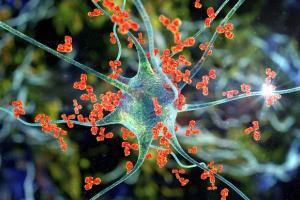
The fundamental immunological basis of autoimmune thyroid diseases is the loss of the body’s tolerance to its own thyroid proteins. In this process, antigen-presenting cells of the immune system (such as macrophages and dendritic cells) infiltrate the thyroid gland and begin presenting antigens derived from the hormones and proteins produced by follicular cells. When these are perceived as ‘foreign’ by the immune system, T cells become activated and trigger autoimmune inflammation. The Th1/Th2 balance shift determines the disease type. Th1, Th2, and Th17 cells regulate inflammatory and immune responses differently. Th1 cells are primarily cytolytic and pro-inflammatory, while Th2 cells shift responses toward antibody production. Th17 cells contribute to chronic inflammation. 27
- In Hashimoto’s thyroiditis, Th1 dominance leads to inflammation, destruction of thyroid cells (apoptosis), and connective tissue transformation (fibrosis), collectively causing hypothyroidism.
- In Graves’ disease, Th2 dominance enhances TRAb autoantibody production. These can lead to hyperthyroidism because they “mimic” TSH, permanently stimulating thyroid hormone production. 27
- Both conditions may involve:
- Excessive Th17 activity, which further exacerbates chronic inflammation and autoimmunity.
- Decreased Treg (regulatory T-cell) function, which normally inhibits autoimmune processes (Th1, Th2, Th17). Vitamin A and its active form, retinoic acid, promote Treg differentiation, thereby reducing inflammatory responses. 28
According to recent research, TSH not only acts on thyroid cells but may directly influence mast cell function, key regulators of inflammatory and allergic reactions. These cells carry functional TSH receptors on their surface, meaning they may detect and respond to TSH. Mast cells can be activated, potentially exacerbating local or systemic inflammation 29–30. Such cross-reactions may partly explain why these conditions are often associated with inflammatory connective tissue changes, such as Graves’ ophthalmopathy (exophthalmos).
Infectious factors
Various chronic infections and thyroid diseases interact. Bacterial and viral infections (e.g., Yersinia enterocolitica, Helicobacter pylori, hepatitis C, Coxsackie, Epstein–Barr, HIV) can trigger immune activation and lead to autoimmune thyroid disease. 31–34 At the same time, hypothyroidism impairs immune responses, which can lead to chronic infections 35. Thyroid hormones (especially T3) help regulate body temperature, necessary for adequate immune function. Normal temperature supports white blood cell function and strengthens defenses against pathogens. With low thyroid function, body temperature may drop, promoting reactivation of chronic infections because a weaker thermal and immune response is less effective at keeping them dormant.
Genetic and epigenetic predisposing factors
Autoimmune thyroid diseases are often influenced by inherited predisposition. Some people are genetically more susceptible, especially with family history. Researchers have identified several immune-related genes whose abnormalities can cause the body to attack the thyroid. Examples include HLA-DR3 (often present in Graves’ disease) and PTPN22 and CD40, which regulate immune cell function. Genes directly related to the thyroid—TSH receptor, thyroglobulin (Tg), thyroperoxidase (TPO)—may also contribute to antibody production against thyroid tissue. 27 In addition to genetics, epigenetic effects influence disease development—these affect gene function rather than DNA sequence. If cells cannot properly “turn on” or “turn off” genes, immune balance can be disrupted. A well-known example is the MTHFR mutation, which affects methylation capacity and can contribute to immune imbalance. 27 Genetic predisposition and epigenetic factors combine to shape individual risk, which can be further exacerbated by environmental influences such as stress, infections, or toxins.
Environmental factors
Numerous environmental factors can trigger or exacerbate autoimmune thyroid disease. Significant factors include smoking, alcohol consumption, chronic stress, certain medications, and endocrine-disrupting environmental toxins, all of which increase risk. Another noteworthy factor is fetal/maternal microchimerism: during pregnancy, cells passing between fetus and mother can have immunological effects, causing inflammation or providing protection. 27 Nutritional deficiencies—especially selenium, iron, vitamin A, and vitamin D deficiencies, as well as gluten consumption—are also risk factors. Both iodine deficiency and excess can increase autoantigen formation, while selenium deficiency reduces the thyroid’s antioxidant protection. 27–28
The link between gut flora and thyroid disorders
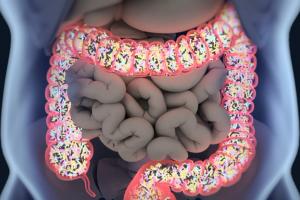
Recent research increasingly supports that the gut microbiome influences thyroid function and can contribute to both under- and overactivity. The concept of the “thyroid–gut axis” has emerged, whereby gut microbes and their metabolites (e.g., short-chain fatty acids, lipopolysaccharides) directly affect hormone balance, micronutrient absorption, and immune activity. 36
Absorption of micronutrients essential for thyroid hormone synthesis (primarily iodine, selenium, and iron) occurs in the intestinal tract, making gut integrity and flora key to proper thyroid function.
Short-chain fatty acids (SCFAs), produced by intestinal bacteria, especially butyrate, can regulate expression of the NIS (sodium-iodide symporter) protein, which controls iodine entry into cells. This effect can be significant enough to improve radioiodine uptake in thyroid tumors, which may be therapeutically relevant. Reduced or absent butyrate-producing bacteria, such as members of the Lachnospiraceae family, can increase inflammation and tumor progression.
The intestinal flora has not only indirect but also direct effects on thyroid hormone levels and function. Certain bacteria can bind T3 and T4, acting as a “buffer”: they help regulate circulating hormone levels and slow rapid breakdown or excretion.
The β-glucuronidase enzyme produced by certain bacteria supports enterohepatic circulation of hormones. The half-life and duration of action of thyroid hormones range from hours (T3) to days (T4). All iodothyronines undergo glucuronidation and sulfation in the liver, becoming water-soluble; they are excreted partly by the kidneys and partly into the intestine via bile. Intestinal β-glucuronidase breaks down the glucuronide, allowing some thyroid hormones to be reabsorbed intact. This also applies to steroid hormones, vitamin D, and many environmental toxins. Thus, hormones and toxins entering the intestine from the liver via bile are not excreted but reused. Not all bacteria help balance: some microbes can inhibit conversion of T4 to active T3, which may harm thyroid function.
SCFAs also have immunomodulatory effects (e.g., influencing the Th17/Treg balance), playing roles in autoimmune processes. Dysbiosis is common in autoimmune thyroid disease and is accompanied by reduced Segatella levels (a fundamentally anti-inflammatory bacterium). Certain bacteria, such as Yersinia enterocolitica, can produce proteins resembling the thyroid TSH receptor. The immune system may recognize these as threats and mistakenly attack the thyroid, producing TSH-receptor antibodies (TRAK) (e.g., in Graves’ disease).
In hypothyroidism, intestinal disorders (e.g., constipation, slowed peristalsis) often develop, promoting small intestinal bacterial overgrowth (SIBO), which further impairs barrier function and can cause inflammation. Certain microbiome patterns, such as the presence or absence of Veillonella or Paraprevotella, can distinguish hypothyroid patients from healthy individuals. In hyperthyroidism, Enterococcus may increase, while beneficial Bifidobacterium and Lactobacillus species may decrease. However, some Lactobacillus species (primarily Lactobacillus plantarum strain B-01) show cross-reactivity with anti-Tg and anti-TPO antibodies, potentially triggering an autoimmune response.
Based on available evidence, the gut flora plays a significant role in maintaining thyroid health and influences hormone metabolism, immune responses, and therapeutic outcomes. The thyroid–gut axis may open new perspectives in personalized diagnostics and therapy.
Environmental toxins and thyroid disorders
Endocrine disruptors (EDCs) are chemicals that can disturb hormonal systems and significantly increase the risk of tumors of endocrine organs. This may be particularly true for phthalates, heavy metals, airborne dust, and pesticides. For these substances, the thyroid may be at the highest risk of tumor formation after EDC exposure. EDCs are found in food, packaging, drinking water, and personal hygiene and cosmetic products. Prominent examples include bisphenol A (BPA) and polychlorinated biphenyls (PCBs). BPA, found in items such as plastic containers, can block thyroid hormone receptors, disrupt gene function in the thyroid and pituitary, and inhibit hormone-transport proteins. Epidemiological data suggest that autoimmune thyroid diseases are more common in regions with high PCB contamination, near petrochemical plants, or among people in areas affected by organochlorine pesticides. 37–38 Fluoride and bromine compete with iodine for incorporation into the thyroid because of similar atomic structure. They are found in tap water, certain flame-retardant materials, and baked goods. Excess fluoride or bromine can block iodine uptake, inhibiting hormone synthesis and potentially leading to long-term hypothyroidism. Heavy metals such as mercury, arsenic, and cadmium can damage many biological systems: they inhibit detoxification, impair nervous and digestive system function, and can cause inflammation and dysbiosis. Chronic exposure to organic solvents, plastic derivatives, and certain pesticides has also been linked to thyroid disorders. 3
The link between chronic psychological and physical stress and thyroid disorders
Psychological stress is increasingly recognized as a factor in endocrine disorders, including thyroid disease. The hypothalamic-pituitary-adrenal (HPA) axis, activated during stress, can directly influence the immune system and inflammatory processes and indirectly affect thyroid hormone balance. Chronic stress can elevate cortisol, which over time inhibits TSH production, reduces T4 → T3 conversion, and may increase reverse T3 (rT3) production—the latter is inactive, so hypothyroid symptoms can occur even with normal TSH. 2, 39 For example, individuals with post-traumatic stress disorder (PTSD) related to combat trauma may have significantly higher free T3 levels, while TSH and T4 show no differences—this may indicate fine-tuned regulation of the thyroid–hormone–nervous system axis 40. The stress-induced inflammatory cytokine response (e.g., IL-6, TNF-α) may also contribute to autoimmune thyroid disease. Psychological stress and chronic inflammation have complex effects on thyroid function, even without abnormal classic hormone levels. It is particularly important to recognize conditions such as subclinical hypothyroidism, which may be early warning signs of thyroid and overall metabolic imbalance.
Treatment of thyroid disorders
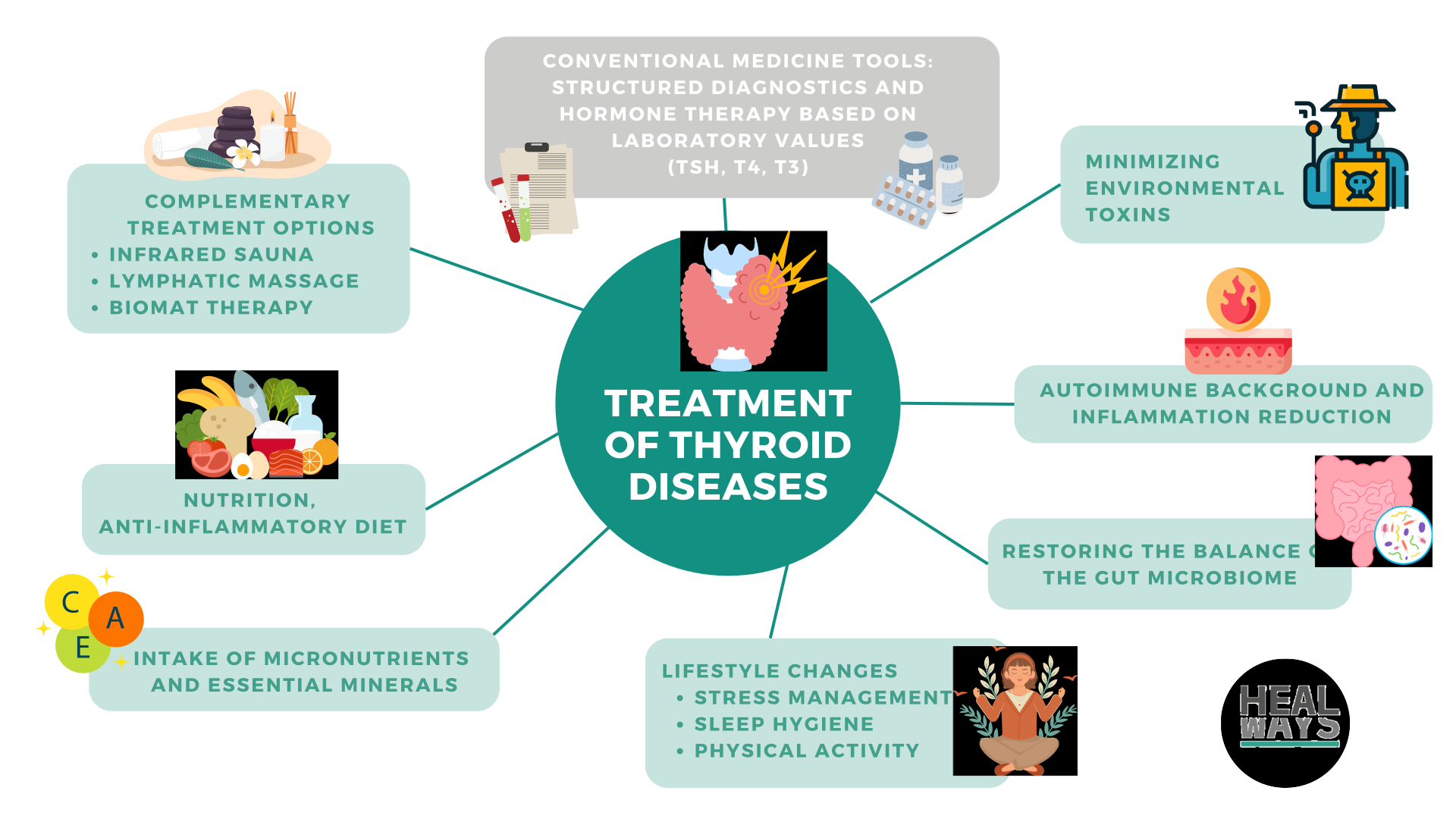
Figure 3. Treatment options for thyroid diseases
The conventional medical approach to treating thyroid disorders
In hypothyroidism, treatment focuses on hormone replacement with levothyroxine (T4). Therapy is typically initiated when TSH is abnormally elevated. Levothyroxine effectively restores blood thyroid hormone levels, but it does not address autoimmune inflammation or micronutrient deficiencies, for example. In addition, some patients experience persistent symptoms despite treatment, often due to impaired T4-to-T3 conversion. In hyperthyroidism, the goal is to reduce excessive hormone production with antithyroid drugs, radioiodine, or surgical removal. The chosen method depends on age, the underlying disease type and severity, comorbidities, and patient preferences. These treatments can effectively reduce hormone levels, but overcorrection leading to hypothyroidism is a common consequence. Thyroid nodules and adenomas are also common. Most are benign but may produce hormones or, rarely, become cancerous. Diagnosis is based on TSH levels, ultrasound, thyroid scintigraphy, and fine-needle biopsy. Functioning nodules usually require treatment, typically radioiodine therapy or surgery, while nonfunctioning, asymptomatic nodules are often monitored periodically. In recent years, a new minimally invasive procedure—radiofrequency ablation—has emerged. Under ultrasound guidance, heat energy delivered through a thin needle destroys nodule tissue without removing the entire thyroid.
Treatment of thyroid disorders during pregnancy
During pregnancy, thyroid physiology changes, complicating detection of abnormalities. Hormonal shifts—such as increased T4 and T3, decreased TSH, and higher iodine requirements—may be normal but can also mask disorders. Hypothyroidism, whether overt or subclinical, requires treatment to prevent fetal complications (miscarriage, premature birth, nervous system damage). The levothyroxine dose often needs to be increased during pregnancy, and thyroid function should be monitored every 4–6 weeks. If TPO antibodies are positive, even with normal TSH, increased monitoring is recommended. 41 Treatment of hyperthyroidism is also important and is managed with different medications depending on the trimester. Transient pregnancy thyrotoxicosis (temporary hormonal hyperthyroidism caused by high hCG) usually does not require treatment, but must be distinguished from Graves’ disease. With high TRAb values, fetal thyroid status should be monitored by ultrasound. Radioiodine is prohibited during pregnancy, and surgery is reserved for justified cases in the second trimester. Thyroiditis and recurrence of Graves’ disease are common postpartum, so close follow-up is necessary. Adequate iodine intake and targeted TSH screening are key to protecting both maternal and fetal health. 41
How does the functional medicine approach differ?
Functional medicine takes a systems-based approach, considering the steps of hormonal regulation, immune status, micronutrient levels, gut flora balance, and environmental influences, including toxins, psychological stress, and chronic inflammation. In functional practice, diagnosis relies on extensive laboratory testing. It is common to assess FT3, rT3, anti-thyroid antibodies (TPOAb, TgAb, TRAb), iodine and selenium status, heavy metal exposure (e.g., mercury), and cortisol (adrenal function). Attention is also paid to factors less studied in conventional medicine, such as the gut microbiome (e.g., SIBO, dysbiosis). The goal is to reduce autoimmune inflammation and protect thyroid tissue. In addition to T4 (levothyroxine), T3 therapy may be considered, especially in patients with persistent symptoms despite normal TSH and T4 and low active T3. In such cases, the goal is not only symptom relief but also addressing underlying T4 → T3 conversion issues (e.g., selenium deficiency, stress, liver or intestinal problems). Functional support is complex and personalized, combining tools that affect multiple systems simultaneously. Recommended therapies include nutritional interventions, dietary supplements, balancing the intestinal flora, supporting liver function, stress management, psychological support (mindfulness, psychotherapy, sleep management), hormone replacement (T4, T3, or combined preparations tailored to the individual), exercise therapy, sauna, and infrared or lymphatic therapies. 2, 19, 42
Nutrition, anti-inflammatory diet
Inflammation and autoimmune processes (such as Hashimoto’s thyroiditis or Graves’ disease) are the most common causes of thyroid disorders. Functional medicine recommends a personalized, anti-inflammatory, gluten-free diet, often eliminating dairy, soy, sugar, and processed foods. Recommendations emphasize nutrient-dense foods rich in micronutrients. In hypothyroidism, the goal is to support metabolism, stimulate energy production, and improve nutrient absorption. In autoimmune hyperthyroidism and autonomic adenoma/nodule, it may be important to avoid excessive iodine intake (e.g., large amounts of seaweed). 2–3, 43
Intake of micronutrients and essential minerals
The following minerals and micronutrients are important in thyroid hormone synthesis and conversion and in immune regulation:
- Iodine: Essential for hormone production, but excessive intake can increase oxidative stress and trigger autoimmunity, especially with genetic predisposition. Correct dosing is crucial: neither deficiency nor excess is desirable. Research suggests daily iodine intake of 100–299 μg/l is safe and optimal for preventing autoimmune thyroid disease. Supplementation is not recommended in autoimmune hyperthyroidism and autonomous adenoma/nodule. 43–44
- Selenium (Se): Plays a fundamental role in maintaining normal bodily functions and the thyroid axis and acts as an antioxidant and immunomodulator. Selenium deficiency exacerbates autoimmune thyroid disease, while supplementation can reduce antibodies and inflammation. Therapy is most effective in Se deficiency. Although current recommendations emphasize selenium primarily for Graves’ orbitopathy (GO), clinicians also widely use supplementation for other thyroid diseases 43–45. The combination of selenium and myo-inositol may be particularly effective in reducing TSH and inflammation.
- Iron: Necessary for TPO function; iron deficiency is common in women with autoimmune thyroid disease and impairs hormone production. 44
- Zinc and copper: Key to cellular immune responses, hormonal regulation, and oxidative protection. 44
- Vitamin A: Supports thyroid hormone formation and iodine utilization, reducing the risk of goiter and hypothyroidism. Retinoic acid, the active form, promotes Treg function and inhibits inflammatory autoimmunity. Vitamin A also supports intestinal immune balance and microbiome stability, key to preventing autoimmune thyroid disease. 43, 46
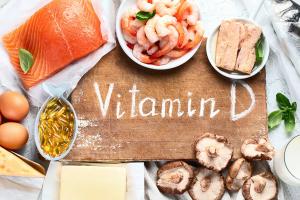
- Vitamin D: Increasingly considered an immunomodulatory hormone. Deficiency raises the risk of autoimmune thyroid disease; supplementation can improve immune balance, though mechanisms are not fully understood. 43, 47
- Magnesium: Lowers antibodies; has cytoprotective and anti-inflammatory effects. 43
- Coenzyme Q10: Supports cellular energy production, especially in high-energy organs such as the thyroid and pituitary. Since the pituitary regulates the thyroid via TSH, Q10’s antioxidant effect may help protect this central gland from oxidative stress.
- Vitamin B3 (niacin): Deficiency impairs serotonin formation from tryptophan, causing fatigue and mood swings—often associated with hypothyroidism. Vitamin B12 is an important cofactor in this pathway and supports nervous system functions, reducing symptoms such as memory loss, exhaustion, or depression.
- L-carnitine: May be useful in hyperthyroidism, as it inhibits the entry of T3 and T4 into cells, reducing excessive cellular effects and helping alleviate cardiovascular overload.
- Antioxidants (vitamins C and E, resveratrol, omega-3): Reduce oxidative stress, which can damage tissues in both underactive and overactive states.
Restoring the balance of the gut microbiome
The “thyroid–gut axis” is a growing research focus. Dysbiosis affects T3/T4 levels, immune hyperactivity, and antibody production 36. Modulating the microbiome requires personalized solutions, but for many, probiotics, fermented foods (e.g., sauerkraut, kimchi), and prebiotics can help protect the mucosa and reduce autoimmune activity. Effects vary by individual and microbiome, so testing is recommended before use. Detection and targeted eradication of Helicobacter pylori may also be important, as this pathogen can cause chronic gastrointestinal inflammation, indirectly contributing to dysbiosis and abnormal immune activation, especially in autoimmune thyroid disease 36. Following eradication, restoring flora with individualized probiotics and prebiotics is recommended. In hypothyroidism, slowed intestinal function can promote SIBO, impairing absorption and generating inflammation. In hyperthyroidism, beneficial bacteria (Bifidobacterium, Lactobacillus) may decrease; replenishing these with probiotics and prebiotics can aid immunomodulation 36. However, the actual necessity or safety of probiotics can only be determined with microbiome testing.
Lifestyle changes: stress management, sleep hygiene, and exercise
Chronic stress and sleep deprivation can contribute to the development and persistence of thyroid disorders in both directions 39. The functional approach emphasizes lifestyle interventions. Meditation, yoga, nature walks, breathing exercises, and psychological support (e.g., mindfulness courses) can be effective for stress management. For exercise, walking and dancing are recommended for hypothyroidism, while calming forms (e.g., tai chi) suit hyperthyroidism. Improving sleep quality is critical for hormonal balance. Adaptogens such as ashwagandha can be useful for underactivity, while excessive stimulation should be avoided in overactivity. 3
Minimizing environmental toxins
Heavy metals (e.g., mercury), endocrine disruptors (e.g., BPA, phthalates), pesticides, and industrial pollutants interfere with healthy thyroid function. For anyone with thyroid problems, it is advisable to use water and air filters, favor organic foods, and minimize the use of plastics, aluminum, and strong household chemicals. 37–38
Additional options
Functional medicine often recommends additional methods to support detoxification and stress reduction 19:
- Infrared sauna: Emits heat that penetrates deep into tissues, increasing circulation, sweating, and toxin excretion. This can help lighten the body’s load, especially when toxic stress contributes to thyroid disorder. Infrared saunas can also reduce muscle tension and support the immune system.
- Lymphatic massage: A gentle technique that stimulates the lymphatic system. In thyroid disease—especially with inflammation or autoimmunity—supporting lymphatic flow can help remove inflammatory substances, cell debris, and toxins. It also improves circulation and reduces edema, which is common in hypothyroidism.
- Biomat therapy: A heat therapy device using infrared rays, negative ions, and amethyst crystals. It may help reduce inflammation, enhance cellular regeneration, and improve sleep quality. These effects are particularly relevant in hypothyroidism, where fatigue, immune weakness, and sleep disorders are common.
Thyroid dysfunction often does not occur in isolation but develops from a complex, multifactorial process. Autoimmune inflammation, nutrient deficiencies, gut flora imbalance, chronic stress, environmental stressors, and individual lifestyle factors can all contribute. Recovery is not only about normalizing lab values but also about achieving lasting improvements in quality of life. This approach can be particularly helpful for those who continue to experience symptoms despite conventional therapies. Our specialists are available for personalized nutrition, dietary supplement, and lifestyle counseling, as well as individualized interpretation of microbiome testing, to ensure the healing process is as complete as possible.
Find out what's happening in your gut.
A comprehensive microbiome analysis reveals the composition of your gut flora — and gives you a concrete starting point for next steps.
Order the testReferences
50 referencesReferences
[1] Y. S. Khan and A. Farhana, ‘Histology, Thyroid Gland’, in StatPearls, Treasure Island (FL): StatPearls Publishing, 2025 https://www.ncbi.nlm.nih.gov/books/NBK551659/
[2] ‘Restoring Thyroid Hormone Balance’, IFM https://www.ifm.org/articles/balancing-thyroid-hormones-naturally
[3] J. L. Weinberg, ‘An Integrative Medicine Approach to Hypothyroidism’, Rupa Health, Sept. 07, 2022 https://www.rupahealth.com/post/understanding-hypothyroidism-and-how-to-treat-it-naturally
[4] C. Gomes-Lima and K. D. Burman, ‘Reverse T3 or perverse T3? Still puzzling after 40 years’, Cleve. Clin. J. Med., vol. 85, no. 6, pp. 450–455, June 2018, DOI: https://doi.org/10.3949/ccjm.85a.17079
[5] Y. Pirahanchi, M. A. Tariq, and I. Jialal, ‘Physiology, Thyroid’, in StatPearls, StatPearls Publishing, 2023 https://www.ncbi.nlm.nih.gov/books/NBK519566/
[6] L. Jing and Q. Zhang, ‘Intrathyroidal feedforward and feedback network regulating thyroid hormone synthesis and secretion’, Front. Endocrinol., vol. 13, Sept. 2022, DOI: https://doi.org/10.3389/fendo.2022.992883
[7] F. Vujovic and R. M. Farahani, ‘Thyroid Hormones and Brain Development: A Focus on the Role of Mitochondria as Regulators of Developmental Time’, Cells, vol. 14, no. 3, p. 150, Jan. 2025, DOI: https://doi.org/10.3390/cells14030150
[8] Y. Wu and R. J. Koenig, ‘Gene regulation by thyroid hormone’, Trends Endocrinol. Metab. TEM, vol. 11, no. 6, pp. 207–211, 2000, DOI: https://doi.org/10.1016/s1043-2760(00)00263-0
[9] G. A. Brent, ‘Mechanisms of thyroid hormone action’, J. Clin. Invest., vol. 122, no. 9, pp. 3035–3043, Sept. 2012, DOI: https://doi.org/10.1172/JCI60047
[10] M.-E. Harper and E. L. Seifert, ‘Thyroid hormone effects on mitochondrial energetics’, Thyroid Off. J. Am. Thyroid Assoc., vol. 18, no. 2, pp. 145–156, Feb. 2008, DOI: https://doi.org/10.1089/thy.2007.0250
[11] R. Mullur, Y.-Y. Liu, and G. A. Brent, ‘Thyroid Hormone Regulation of Metabolism’, Physiol. Rev., vol. 94, no. 2, pp. 355–382, Apr. 2014, DOI: https://doi.org/10.1152/physrev.00030.2013
[12] A. Leung, E. N. Pearce, and L. E. Braverman, ‘Role of iodine in thyroid physiology’, Expert Rev. Endocrinol. Metab., vol. 5, no. 4, pp. 593–602, July 2010, DOI: https://doi.org/10.1586/eem.10.40
[13] J. Köhrle, ‘Selenium, Iodine and Iron–Essential Trace Elements for Thyroid Hormone Synthesis and Metabolism’, Int. J. Mol. Sci., vol. 24, no. 4, p. 3393, Feb. 2023, DOI: https://doi.org/10.3390/ijms24043393
[14] S. Nussey and S. Whitehead, ‘The thyroid gland’, in Endocrinology: An Integrated Approach, BIOS Scientific Publishers, 2001 https://pubmed.ncbi.nlm.nih.gov/20821847/
[15] M. P. J. Vanderpump, ‘The epidemiology of thyroid disease’, Br. Med. Bull., vol. 99, no. 1, pp. 39–51, Sept. 2011, DOI: https://doi.org/10.1093/bmb/ldr030
[16] ‘A pajzsmirigy működése. Nátrium-jodid szimporterek. A pajzsmirigy alulműködés kivizsgálása.’, MedicBees® https://medicbees.com/endokrinologia/a-pajzsmirigy-mukodese-natrium-jodid-szimporterek-a-pajzsmirigy-alulmukodes-kivizsgalasa
[17] ‘Hyperthyroidism – Symptoms and causes’, Mayo Clinic https://www.mayoclinic.org/diseases-conditions/hyperthyroidism/symptoms-causes/syc-20373659
[18] J. L. Weinberg, ‘A Functional Medicine Protocol for Hyperthyroidism’, Rupa Health, Feb. 07, 2023 https://www.rupahealth.com/post/5-functional-medicine-labs-that-can-assist-a-root-cause-treatment-for-hyperthyroidism
[19] ‘A Functional Medicine Approach to Thyroid Disease | Blog’, Center for Fully Functional Health https://fullyfunctional.com/blog/thyroid-disease-treatment/
[20] ‘Thyroid disease Using diagnostic tools effectively’, Australian Journal of General Practice https://www1.racgp.org.au/ajgp/2021/january-february/thyroid-disease-using-diagnostic-tools-effectively
[21] D. Unuane and B. Velkeniers, ‘Impact of thyroid disease on fertility and assisted conception’, Best Pract. Res. Clin. Endocrinol. Metab., vol. 34, no. 4, p. 101378, July 2020, DOI: https://doi.org/10.1016/j.beem.2020.101378
[22] ‘Thyroid Disease’, Cleveland Clinic https://my.clevelandclinic.org/health/diseases/8541-thyroid-disease
[23] ‘Hypothyroidism (underactive thyroid) – Symptoms and causes’, Mayo Clinic https://www.mayoclinic.org/diseases-conditions/hypothyroidism/symptoms-causes/syc-20350284
[24] ‘Thyroid Disorders and Movement Disorders—A Systematic Review – Schneider – 2023 – Movement Disorders Clinical Practice – Wiley Online Library’ https://movementdisorders.onlinelibrary.wiley.com/doi/full/10.1002/mdc3.13656
[25] L. Chaker, S. Razvi, I. M. Bensenor, F. Azizi, E. N. Pearce, and R. P. Peeters, ‘Hypothyroidism’, Nat. Rev. Dis. Primer, vol. 8, no. 1, p. 30, May 2022, DOI: https://doi.org/10.1038/s41572-022-00357-7
[26] S. Y. Lee and E. N. Pearce, ‘Hyperthyroidism: A Review’, JAMA, vol. 330, no. 15, pp. 1472–1483, Oct. 2023, DOI: https://doi.org/10.1001/jama.2023.19052
[27] H. Vargas-Uricoechea, ‘Molecular Mechanisms in Autoimmune Thyroid Disease’, Cells, vol. 12, no. 6, p. 918, Jan. 2023, DOI: https://doi.org/10.3390/cells12060918
[28] A. C. Ross, ‘Vitamin A and retinoic acid in T cell–related immunity1234’, Am. J. Clin. Nutr., vol. 96, no. 5, pp. 1166S-1172S, Nov. 2012, DOI: https://doi.org/10.3945/ajcn.112.034637
[29] G. Chieffi Baccari, S. Falvo, A. Lanni, M. M. Di Fiore, F. Cioffi, and A. Santillo, ‘Mast Cell Population and Histamine Content in Hypothyroid Rat Tissues’, Anim. Open Access J. MDPI, vol. 12, no. 14, p. 1840, July 2022, DOI: https://doi.org/10.3390/ani12141840
[30] E. Landucci, A. Laurino, L. Cinci, M. Gencarelli, and L. Raimondi, ‘Thyroid Hormone, Thyroid Hormone Metabolites and Mast Cells: A Less Explored Issue’, Front. Cell. Neurosci., vol. 13, p. 79, Mar. 2019, DOI: https://doi.org/10.3389/fncel.2019.00079
[31] M. Zangiabadian, M. Mirsaeidi, M. H. Pooyafar, M. Goudarzi, and M. J. Nasiri, ‘Associations of Yersinia Enterocolitica Infection with Autoimmune Thyroid Diseases: A Systematic Review and Meta-Analysis’, Endocr. Metab. Immune Disord. Drug Targets, vol. 21, no. 4, pp. 682–687, 2021, DOI: https://doi.org/10.2174/1871530320666200621180515
[32] D. O. Wesley Tang, M. D. Sulagna Das, and M. D. Zoltán Krudy, ‘Coxsackie Virus Induced Graves’ Disease in an Immunocompetent Patient’, Int. J. Innov. Res. Med. Sci., vol. 6, no. 10, pp. 731–734, Oct. 2021, DOI: https://doi.org/10.23958/ijirms/vol06-i10/1231
[33] A. Dittfeld, K. Gwizdek, M. Michalski, and R. Wojnicz, ‘A possible link between the Epstein-Barr virus infection and autoimmune thyroid disorders’, Cent.-Eur. J. Immunol., vol. 41, no. 3, pp. 297–301, 2016, DOI: https://doi.org/10.5114/ceji.2016.63130
[34] T. Weider et al., ‘High Prevalence of Common Human Viruses in Thyroid Tissue’, Front. Endocrinol., vol. 13, p. 938633, 2022, DOI: https://doi.org/10.3389/fendo.2022.938633
[35] C. Wenzek, A. Boelen, A. M. Westendorf, D. R. Engel, L. C. Moeller, and D. Führer, ‘The interplay of thyroid hormones and the immune system – where we stand and why we need to know about it’, Eur. J. Endocrinol., vol. 186, no. 5, pp. R65–R77, Feb. 2022, DOI: https://doi.org/10.1530/EJE-21-1171
[36] W. Jiang, G. Lu, D. Gao, Z. Lv, and D. Li, ‘The relationships between the gut microbiota and its metabolites with thyroid diseases’, Front. Endocrinol., vol. 13, Aug. 2022, DOI: https://doi.org/10.3389/fendo.2022.943408
[37] S. Benvenga et al., ‘Endocrine disruptors and thyroid autoimmunity’, Best Pract. Res. Clin. Endocrinol. Metab., vol. 34, no. 1, p. 101377, Jan. 2020, DOI: https://doi.org/10.1016/j.beem.2020.101377
[38] F. Gorini, E. Bustaffa, A. Coi, G. Iervasi, and F. Bianchi, ‘Bisphenols as Environmental Triggers of Thyroid Dysfunction: Clues and Evidence’, Int. J. Environ. Res. Public. Health, vol. 17, no. 8, p. 2654, Jan. 2020, DOI: https://doi.org/10.3390/ijerph17082654
[39] K. Petrowski and G. J. Kahaly, ‘Stress and Thyroid Function—From Bench to Bedside’, Endocr. Rev., vol. 46, no. 5, pp. 709–735, Oct. 2025, DOI: https://doi.org/10.1210/endrev/bnaf015
[40] F. J. K. Toloza et al., ‘Association of Thyroid Function with Posttraumatic Stress Disorder: a Systematic Review and Meta-Analysis’, Endocr. Pract. Off. J. Am. Coll. Endocrinol. Am. Assoc. Clin. Endocrinol., vol. 26, no. 10, pp. 1173–1185, Oct. 2020, DOI: https://doi.org/10.4158/EP-2020-0104
[41] Y. W. Yap, E. Onyekwelu, and U. Alam, ‘Thyroid disease in pregnancy’, Clin. Med., vol. 23, no. 2, pp. 125–128, Apr. 2024, DOI: https://doi.org/10.7861/clinmed.2023-0018
[42] ‘The Functional Approach to Thyroid Disease | Functional Nexus with Dr Sarah Davies’, https://functional-nexus.co.uk/ https://functional-nexus.co.uk/the-functional-approach-to-thyroid-disease/
[43] B. Joseph, ‘Boosting The Thyroid: A Functional Medicine Approach’, Josef’s Pharmacy, Aug. 06, 2021 https://josefspharmacy.com/2021/08/05/boosting-thyroid/
[44] V. Kravchenko and T. Zakharchenko, ‘Thyroid hormones and minerals in immunocorrection of disorders in autoimmune thyroid diseases’, Front. Endocrinol., vol. 14, Aug. 2023, DOI: https://doi.org/10.3389/fendo.2023.1225494
[45] F. Wang, C. Li, S. Li, L. Cui, J. Zhao, and L. Liao, ‘Selenium and thyroid diseases’, Front. Endocrinol., vol. 14, Mar. 2023, DOI: https://doi.org/10.3389/fendo.2023.1133000
[46] S. Capriello, I. Stramazzo, M. F. Bagaglini, N. Brusca, C. Virili, and M. Centanni, ‘The relationship between thyroid disorders and vitamin A.: A narrative minireview’, Front. Endocrinol., vol. 13, p. 968215, Oct. 2022, DOI: https://doi.org/10.3389/fendo.2022.968215
[47] R. Zhao et al., ‘Immunomodulatory Function of Vitamin D and Its Role in Autoimmune Thyroid Disease’, Front. Immunol., vol. 12, Feb. 2021, DOI: https://doi.org/10.3389/fimmu.2021.574967