Stool microbiome analysis

What is the microbiome?
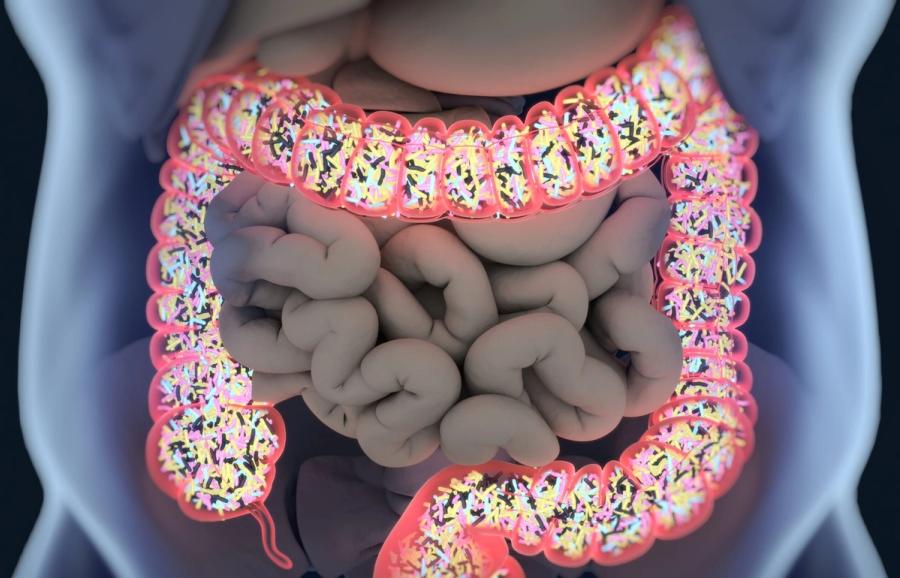
The microbiome is the totality of microorganisms — bacteria, archaea, fungi and viruses — that live in our body. The microbiome is found throughout the body: on the skin, in the oral cavity, in the airways and in the vaginal flora, but the best-researched and most species-rich is the gut microbiome. Estimates suggest that several tens of trillions of microorganisms live in the adult human intestine, and the genome of the microbiome exceeds our own human genes by orders of magnitude.
Why is the microbiome important? Research shows that it influences everything from digestion to immune regulation, hormonal balance, vitamin synthesis, and even mood. The connection between the microbiome and the brain is now called the “gut–brain axis” by science: the microbiome affects serotonin production, the stress response, and cognitive function.
In a healthy microbiome, beneficial bacteria dominate and species richness is high — the more strains living in peaceful balance, the more resilient the system. When the microbiome's balance is disrupted (dysbiosis), pathogenic species can multiply while key beneficial species can disappear. This underlies numerous chronic symptoms: digestive complaints (bloating, diarrhoea, constipation), histamine sensitivity, autoimmune processes, IBS, mood disorders, chronic fatigue, skin problems — even insulin resistance can be linked to the state of the microbiome.
The microbiome is not static: it changes continuously under the influence of diet, medication (especially antibiotics), stress, sleep quality, physical activity and environmental factors. The first 1000 days of life are decisive (maternal microbiome, mode of birth, breastfeeding), but the microbiome's condition can also be influenced in adulthood.
The microbiome is as unique to each person as a fingerprint — two people's microbiomes rarely match, even within the same family. That is why the “one probiotic for everyone” approach often does not work. Real understanding requires a detailed microbiome analysis that maps the gut flora composition at species level, so a targeted, personalised lifestyle, nutritional and supplement protocol can be designed to restore balance individually.
Below, we review the benefits of stool microbiome testing. What is this method, and what problems can microbiome testing and expert analysis of the results help with? Nowadays, anyone interested in healthy eating has likely heard about the importance of gut flora. The microbiome is the community of microorganisms that live in and on the human body. These include bacteria, fungi, archaea, and viruses—most of which we coexist with peacefully, and many of which we have mutually beneficial relationships with. A fundamental prerequisite for balanced coexistence is sufficiently high microbial species diversity. Problems arise when certain species proliferate excessively or, conversely, when the number of species declines significantly and key strains disappear entirely from the intestinal tract. If some species grow beyond a critical level, they can suppress the survival of other bacteria, which can trigger a a self-reinforcing negative spiral. This phenomenon can occur not only with potentially pathogenic species but also with those generally considered beneficial. The following can cause damage to the intestinal flora:
- Chemicals, certain food additives and preservatives
- Prolonged stress (a stimulus for the growth of certain pathogenic Gram-negative bacteria)
- Stomach acid-reducing drugs, especially proton pump inhibitors. These drugs often destroy beneficial bacteria that are sensitive to increased pH levels. Additionally, since protein-digesting enzymes work best in an acidic environment, protein begins to rot in the absence of proper enzyme activity, allowing protein-degrading, toxin-producing bacteria—such as sulfate reducers—to multiply further.
- Antibiotic treatments often destroy beneficial bacteria and allow toxic strains to thrive.
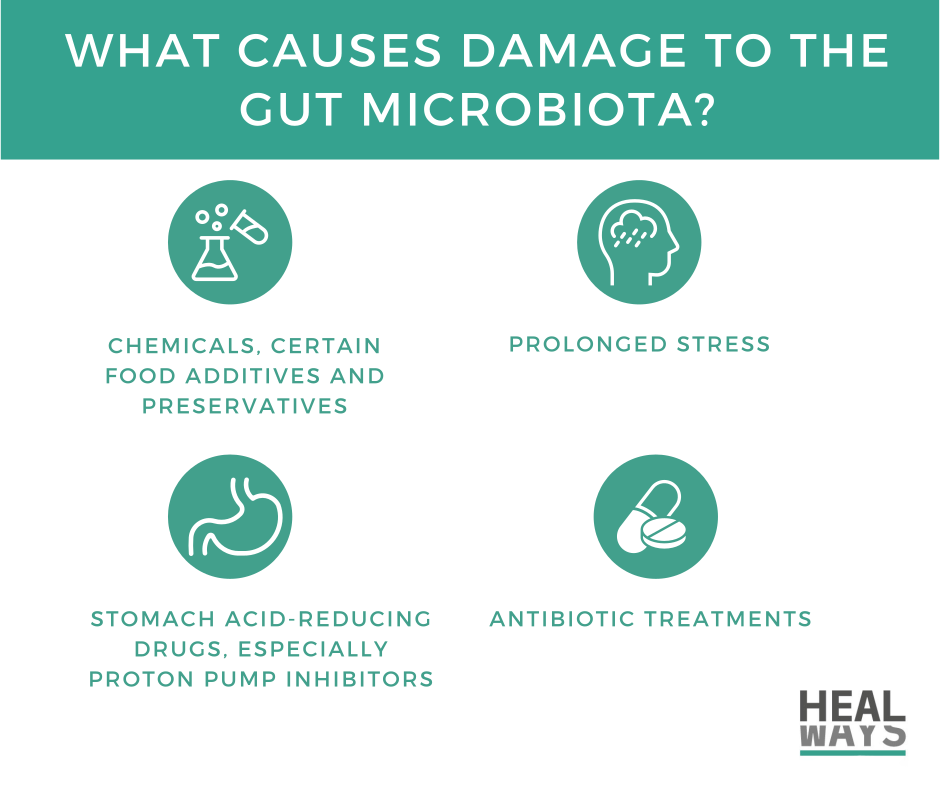
Figure 1. Factors that disrupt the gut microbiota
Recently, we have seen many clients experiencing problems caused by the overgrowth of bacterial species that are normally beneficial or even essential under typical conditions. This is problematic because no species is inherently “good” or “bad”—their effects depend on their quantity. Some bacteria that are otherwise considered highly valuable, such as those that produce butyric acid, can become inflammatory when overgrown or displace other important bacteria. The following reasons are often behind the overgrowth of bacteria that are generally considered beneficial:
- Excessively restrictive diets—prolonged elimination diets based on overlapping factors (individual intolerances, allergies, histamine sensitivity, ketogenic, FODMAP, or candida protocols)
- Improper or prolonged use of certain plant-based active compounds, prebiotics, selective fibers, or excessive consumption of (otherwise healthy) green smoothies
- Long-term consumption of protein powders and amino acids
Due to these circumstances, which may favor certain beneficial bacteria over others, microbial diversity and species richness are reduced. The combination of overgrowth and deficiencies can lead to serious physical dysfunction. In some cases, even butyrate-producing bacteria may trigger intense anxiety as a psychological symptom. In addition to cases with digestive symptoms, we observe shifts in the gut flora in nearly all chronic patients, including those with metabolic disorders, immunological and autoimmune diseases, and very often in cases of anxiety, compulsive behavior, depression, or other psychological, psychiatric, or neurological problems.
What makes the shotgun method special?
Compared to the 16S rRNA tests used so far, which primarily identify bacterial genera, shotgun metagenomic sequencing 1 examines the entire genome (up to 10,000,000 base pairs), allowing analysis at the species level instead of just the genus level. With this technique 2, the complete genetic fingerprint of all bacteria found in the sample can be identified. This was not possible—or only possible to a very limited extent—with 16S rRNA-based gut flora tests. Yet in many cases, this is where the true source of the problem lies. There are bacterial species, such as Escherichia coli, for which science has identified thousands of strains. Among them are many useful, symbiotic forms, but also variants capable of causing serious, even life-threatening diseases due to toxin production. This test can even detect the genes responsible for producing individual toxins or for antibiotic resistance, which can then guide the most appropriate treatment.
What does the shotgun sequencing microbiome test we use actually examine?
The laboratory staff at Delta Bio 2000 Kft. collected stool samples from 500 Hungarian individuals who considered themselves healthy and had no diagnosed illnesses. These samples are used as a reference for comparing each client’s sample to determine deviations from the “normal.” Since even people who believe they are healthy often do not have an optimal gut flora, these data serve only as an approximate reference. A team of biologists continuously reviews the latest scientific literature to expand the interpretation of microbiome test results with knowledge that supports therapy.
When we look at the test results, the first thing we see is the percentage distribution of the top 30 strains and species. It is often immediately apparent if one species is extremely overrepresented compared to the others.
The following pages list the bacteria found in each category, grouped by function and disease association. For each functional group, it is not only important to identify which types of bacteria are present, but also how many different species perform that function, so imbalances can be recognized at a glance.
What truly sets this test apart is that it does not only identify species within functional and disease-related groups, but also detects all genetic information present in the stool sample. These genes can only be linked to specific bacterial species if the species has already been described in the scientific literature. The tested sample may contain a wide range of species described in research, from minor groups to those that may even serve as indicators of colon tumors.
The test also examines bacterial colonies that are associated with several common disease groups or problem areas, such as infectious diarrhea/gastroenteritis, IBS, IBD, colitis, abdominal pain, bloating, constipation, gas production in the colon, obesity, glucose regulation issues, non-alcoholic fatty liver disease, atherosclerosis, dyslipidemia, cardiovascular diseases, and kidney problems.
What functional groups exist and what are their roles?
Mucin-degrading, mucous membrane-protecting bacteria – Mucin is a mucous layer (a biopolymer made up of heterogeneous polysaccharides) that protects the mucous membranes from chemical, physical, or mechanical influences and lines the inner walls of the digestive tract from beginning to end. The mucin layer must be continuously renewed, so its dynamic breakdown and regeneration are essential. If old layers accumulate on the intestinal surface, they can trigger inflammatory processes. This is why mucin-degrading bacteria are necessary in healthy amounts. Some mucin-consuming bacteria produce short-chain fatty acids, which serve as an energy source for intestinal epithelial cells, enabling them to produce a fresh mucin layer. However, there are also situations in which mucin-degrading bacteria proliferate excessively, and if mucus-protecting bacteria are simultaneously lacking, the intestinal wall becomes unprotected and vulnerable, potentially leading to erosion. Studies have shown that certain types of colitis improve in parallel with increased levels of Akkermansia muciniphila. Further research has indicated that higher levels of this bacterium may reduce the presence of substances in the gut previously identified as risk factors for the development of colorectal tumors. However, it is important to note that these results are not always clear-cut, as lifestyle factors and the ratio of other gut flora components can significantly influence the effect. 3 Sulfate-degrading bacteria – Our body obtains sulfur from the breakdown of amino acids. However, the hydrogen sulfide produced during this process can become harmful above a certain level, potentially causing tumors or inflammation in the intestines. Research has shown that the amount of Bilophila wadsworthia, a commonly detected sulfate-degrading bacterium, increases with higher dietary fat intake. This bacterium can trigger inflammatory processes, impair the function of the intestinal barrier, and disrupt bile acid and sugar metabolism, potentially contributing to the development of cirrhosis. 4 Bilophila wadsworthia is capable of metabolizing bile acids, so when present, it is very important to choose a digestive enzyme supplement that does not contain bile acids. Methane-producing bacteria – These may be associated with constipation, nervous system issues, and IBS. They can slow down intestinal motility and cause bloating. Neuroactive bacteria – In recent years, research has increasingly focused on the gut-brain axis. Certain bacterial species can produce neurotransmitters, such as serotonin. However, some studies suggest that serotonin produced in the gut does not reach the brain but exerts its effects locally. Improvements in mental well-being may be partly due to the reduction of inflammatory processes. The presence of such bacteria in appropriate proportions can contribute significantly to maintaining psychological and neurological balance. Supporting this, researchers at the Naples Center for Functional Medicine found that improvements in the gut system were associated with improvements in mental well-being 5. According to the IFM thesis, the two-way communication along the gut-brain axis involves several organ systems, including the endocrine, immune, autonomic, central, and enteric nervous systems, and the gut microbiome influences these interactions 6. Stress not only alters intestinal mucosal permeability and cytokine secretion, but also significantly changes the composition and activity of the commensal bacterial community in the gut. The gut microbiota may influence stress-related physiological responses 7–9. Research suggests a close interaction between the gut flora and the hypothalamic-pituitary-adrenal (HPA) axis, the neuroendocrine system that regulates stress responses, and that their communication is closely tied to other systems 8. Serotonin and catecholamines—noradrenaline, adrenaline, and dopamine—are active both in the brain and in the gut. 10 The concentration of peptides in the gut is modulated by signals from the gut microbiome. In this communication context, gut bacteria may help regulate stress-related conditions such as anxiety and depression. LPS (lipopolysaccharide)-positive bacteria – These bacteria often contain highly immunogenic, toxic substances in their cell membranes that continuously irritate the body. When treatments (such as antibiotics) are used to destroy them, their endotoxins are released into the bloodstream, potentially causing fever, diarrhea, or in severe cases, septic shock, which may be fatal. These species also frequently exhibit antibiotic resistance. Well-known representatives include certain pathogenic E. coli and Klebsiella species. Immunomodulatory bacteria – Certain bacteria can directly inhibit or destroy pathogenic microorganisms by producing antimicrobial substances. Others suppress unwanted strains through competition for nutrients or help balance the intestinal ecosystem via anti-inflammatory effects. Interestingly, some strains of Escherichia coli also serve this protective function, acting as "security guards" for the gut flora. Fiber-degrading bacteria – These bacteria break down complex carbohydrates (known as fiber or prebiotics) that the human body cannot digest on its own. They produce short-chain fatty acids (SCFAs) from these fibers: butyrate (butyric acid), acetate (acetic acid), and propionate (propionic acid). Butyrate, among other functions, provides energy to intestinal epithelial cells, supports certain immune cell functions, and serves as a partial nutrient source for them. It also contributes to the maintenance of intestinal mucosal integrity, inhibits the growth of pathogenic bacteria, and has anti-inflammatory and anti-tumor properties. Some butyrate-producing species of Roseburia, for example, affect colon motility, immune function, and have anti-inflammatory effects. Acetate supports the energy balance of the host and plays a role in weight regulation and insulin sensitivity. Propionate has antilipogenic effects (reducing fat storage and promoting fat metabolism), as well as cholesterol-lowering, weight-regulating, appetite-influencing, and anti-tumor functions. 11 Saccharolytic, lactic acid-producing bacteria – These bacteria help maintain a healthy balance in the gut flora. They can break down various carbohydrates, providing the body with additional nutrients. Lactic acid has antimicrobial and antioxidant effects, inhibits the growth of pathogenic and putrefactive bacteria, and helps maintain proper pH levels. However, if they overgrow, they can impair mitochondrial function. 12 Clostridiaceae family – Most species in this family are commensal, but some produce toxins and form spores, making them resistant to environmental stress. Certain species are pathogenic. Bacteria in this family frequently cause colitis or severe diarrhea. Unfortunately, they are often not only antibiotic-resistant but also proliferate in response to antibiotics, allowing resistant strains to dominate. Putrefactive bacteria – These multiply when undigested protein reaches the colon. The substances they produce play a role in the development of colon cancer. Histamine-producing bacteria – Histamine is a hormone with a wide range of physiological functions, produced from the amino acid histidine 13. Certain bacteria that multiply on proteins produce much higher levels of histamine than human cells. The effects of histamine vary depending on the type of receptor it activates. If too many histamine-producing bacteria proliferate in the gut during putrefactive processes, the resulting excess histamine can overwhelm the body’s capacity to break it down—especially if the micronutrients required for histamine degradation are lacking—leading to symptoms of histaminosis. Key species and important genera – This category includes species essential for maintaining healthy gut microbiota. Sports, slim physique – Some species enhance athletic performance, while others help maintain a lean body composition.
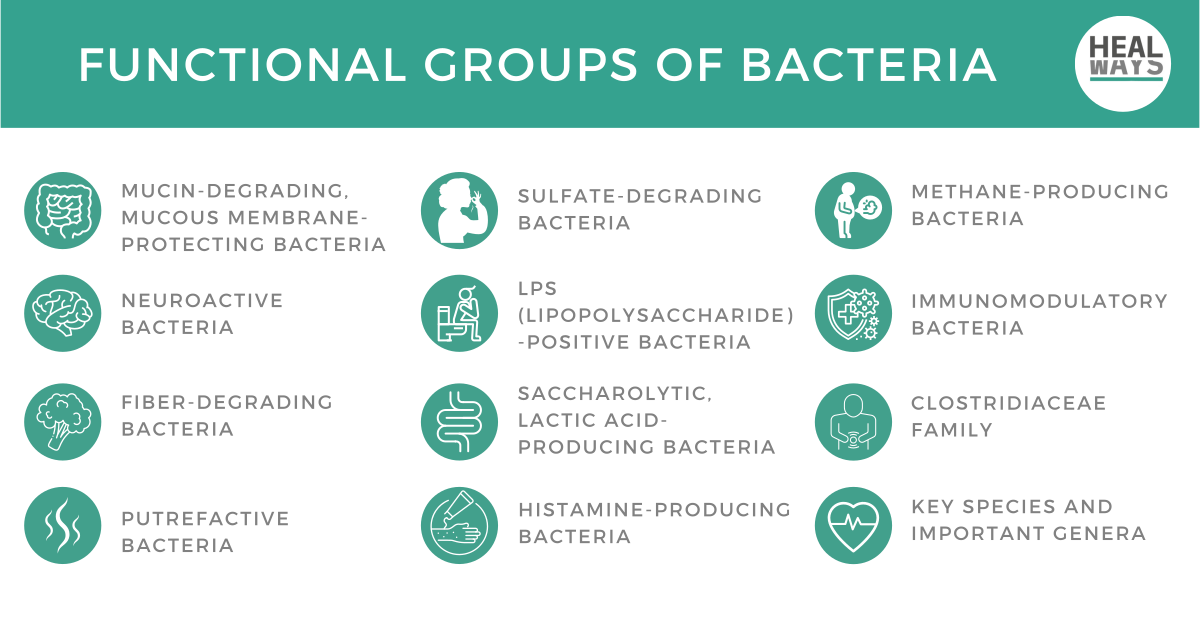
Figure 2. Functional Groups of Bacteria
What decisions important from a therapeutic point of view are influenced by the results of stool genome testing?
The intake of beneficial bacteria and fiber does not always restore the intestinal flora. Some bacteria may prevent the colonization of beneficial strains. Moreover, consuming fiber without knowing the exact composition of the gut microbiome may, in some cases, feed overgrown strains and further disrupt microbial balance. The likelihood of successfully colonizing the desired bacterial strains can be significantly increased by first creating environmental conditions that support their viability and reproduction. Certain species, for example, can only survive within a specific pH range, so this factor alone can influence microbial composition. If the diet lacks adequate or sufficiently varied nutrient sources, the food consumed will only promote the growth of a few strains, while other beneficial microbes may be suppressed. Optimizing the gut flora is not just about suppressing harmful microorganisms—sometimes it’s also necessary to limit the overgrowth of beneficial bacteria, which, in excessive numbers, can cause inflammation or lead to so-called colonization resistance, preventing new, beneficial species from establishing themselves. The second step in the process is to determine which strains should be repopulated and in what order, as well as to identify the nutrients that support their survival and the lifestyle factors that help maintain the new microbial balance over the long term. If the patient returns to the same diet and lifestyle that contributed to the problem in the first place, it is highly likely that the gut flora will revert to its previous state, and the symptoms will reappear. Although the test results clearly show the numbers, interpreting them requires extensive follow-up. If something is missing from the gut flora, replacing it may seem like a simple task. However, it’s not that easy. As mentioned earlier, in addition to replenishing bacteria, it is also important to create the right conditions for them to thrive. Unfortunately, we often find that this is a complex task, as the bacterial species that need to be suppressed may also utilize the same nutrients as those we aim to retain or increase. Therefore, the order in which the desired species are introduced is important—some colonize the intestines much more easily and can block others from multiplying. Based on the examination, the following targeted intervention recommendations were made (this list is not exhaustive):
- a shift in the relative abundance of certain bacterial species
- identifying which nutrients are preferred by beneficial or harmful bacteria, thereby selecting fibers or other substances that act selectively on specific strains
- the order should be based on strategic decisions—namely, which probiotic strains are used for what purpose and in what sequence. For example, the choice may depend on whether a given strain is pathogenic or capable of displacing overgrown opportunistic bacteria
- identifying which bacterial strains promote the growth of others through the metabolites they produce (cross-feeding)
- determining which bacteria are capable of shifting intestinal pH in a favorable direction, thereby creating optimal living conditions for other beneficial bacteria
- identifying bacteria originating from the oral cavity, urinary tract, or even abscesses, and considering what this may indicate (e.g., the need for consultation with a specialist)
- recommending active ingredients that support the stomach, damaged intestinal wall, gallbladder, and the vagus nerve, which innervates the digestive system
What is the benefit of having a functional nutrition consultant interpret the results?
A healthy gut microbiota is a key pillar of the body’s proper functioning, but it cannot be fully understood in isolation from the body’s overall physiology. The digestive system is primarily regulated by the tenth cranial nerve, the vagus nerve, which is a key component of the parasympathetic nervous system. This nerve is affected by various harmful influences, such as stress, which activates the sympathetic nervous system continuously, thereby chronically inhibiting the parasympathetic system and, with it, the vagus nerve. Psychosocial stress—such as family conflicts—can also have this effect, especially if it occurs during meals, when the vagus nerve needs to be activated for optimal digestive function. Inhibition of the vagus nerve results in complete inhibition of digestive system innervation, which includes impaired stomach function, reduced stomach acid and enzyme production, and decreased activity of the pancreas and gallbladder. These disturbances in digestion inevitably lead to long-term imbalances in the gut microbiome. Due to an inadequate diet, the body’s cellular and biochemical processes become impaired. Cell membranes and mitochondrial membranes no longer function properly because of imbalances in macro- and micronutrient intake. The membranes of intestinal epithelial cells are similarly sensitive. Their integrity can be supported by special dietary protocols and nutritional supplements. Combined with micronutrient deficiencies and underlying metabolic health problems, chronic infections in the body—regardless of their type or location 14—can damage mitochondria via the immune system 12. This can lead to a persistent cellular energy deficit, which hinders proper nervous system function and, through vagus nerve dysfunction, contributes to digestive and gut microbiota disorders. The pathogens responsible for Lyme disease, such as Borreliabacteria 14, are even capable of directly damaging other nerves, including cranial nerves like the vagus nerve, leading to digestive symptoms. These problems can be identified simultaneously by a trained functional medicine practitioner, who can also make appropriate recommendations for treatment. 15

What is the procedure for performing a stool microbiome test, and what are the costs involved?
Information on the process and costs of microbiome testing, the interpretation of results, and the personalized recommendations based on these results can be found on the following page: https://healwaysmicrobiome.com/#microbiometest
Find out what's happening in your gut.
A comprehensive microbiome analysis reveals the composition of your gut flora — and gives you a concrete starting point for next steps.
Order the testReferences
17 referencesReferences
[1] ‘A mikrobiom vizsgálatának sajátosságai’, Medical Online http://medicalonline.hu/tudomany/cikk/a_mikrobiom_vizsgalatanak_sajatossagai
[2] ‘Mikrobiom vizsgálatok’ https://www.mikrobiomvizsgalatok.hu/home#kivancsi
[3] Y. Chen et al., ‘Probiotic mixtures with aerobic constituent promoted the recovery of multi-barriers in DSS-induced chronic colitis’, Life Sci, vol. 240, p. 117089, 2020, DOI: https://doi.org/10.1016/j.lfs.2019.117089
[4] J. M. Natividad et al., ‘Bilophila wadsworthia aggravates high fat diet induced metabolic dysfunctions in mice’, Nat Commun, vol. 9, no. 1, p. 2802, July 2018, DOI: https://doi.org/10.1038/s41467-018-05249-7
[5] webmaster, ‘Are the Brain and the Gut Connected? - Naples Center for Functional Medicine’, https://naplescfm.com/news/are-the-brain-and-the-gut-connected/
[6] ‘The Microbiome, Stress Hormones, & Gut Function | The Institute for Functional Medicine’ https://www.ifm.org/news-insights/gut-stress-changes-gut-function/
[7] G. Lach, H. Schellekens, T. G. Dinan, and J. F. Cryan, ‘Anxiety, Depression, and the Microbiome: A Role for Gut Peptides’, Neurotherapeutics, vol. 15, no. 1, pp. 36–59, Jan. 2018, DOI: https://doi.org/10.1007/s13311-017-0585-0
[8] J. P. Karl et al., ‘Effects of Psychological, Environmental and Physical Stressors on the Gut Microbiota’, Front Microbiol, vol. 9, p. 2013, Sept. 2018, DOI: https://doi.org/10.3389/fmicb.2018.02013
[9] K. Rea, T. G. Dinan, and J. F. Cryan, ‘The microbiome: A key regulator of stress and neuroinflammation’, Neurobiol Stress, vol. 4, pp. 23–33, Mar. 2016, DOI: https://doi.org/10.1016/j.ynstr.2016.03.001
[10] R. Mittal et al., ‘Neurotransmitters: The Critical Modulators Regulating Gut-Brain Axis’, J Cell Physiol, vol. 232, no. 9, pp. 2359–2372, Sept. 2017, DOI: https://doi.org/10.1002/jcp.25518
[11] Z. Tamanai-Shacoori et al., ‘Roseburia spp.: a marker of health?’, Future Microbiol, vol. 12, pp. 157–170, Feb. 2017, DOI: https://doi.org/10.2217/fmb-2016-0130
[12] Erzsébet E., ‘Mitokondriumok’, HealWays, July 12, 2021 https://www.healways.hu/mitokondriumok
[13] Erzsébet E., ‘Hisztamin - HealWays - DAO enzim’, HealWays, Apr. 11, 2021 https://www.healways.hu/hisztamin
[14] Erzsébet E., ‘Lyme-kór: Az egyik legaluldiagnosztizáltabb betegség’, HealWays, Apr. 11, 2021 https://www.healways.hu/lyme-kor
[15] Erzsébet E., ‘Funkcionális orvoslás’, HealWays, Apr. 10, 2021 https://www.healways.hu/funkcionalis-orvoslas