
Vitamin D

Summary
- It is not possible to obtain the amount of vitamin D necessary for long-term health from food alone. It is also important to note that the body does not produce vitamin D when sunlight reaches the skin only through a window
- According to the 2012 recommendation, the suggested intake of vitamin D3 for adults over the age of 18 who fall into the normal, non-obese category is 1,500–2,000 IU, which is sufficient to prevent vitamin D deficiency. The maximum safe daily dose is 4,000 IU. In cases of deficiency, supplementation should correspond to the severity of the deficiency; in such cases, the maximum single dose that can be taken is 50,000 IU. 1
- In 2021, the recommendation was updated: while the recommended daily dose for healthy adults remained the same, experts noted that it could also be taken as a single weekly dose of 14,000 IU or a monthly dose of 60,000 IU. 2
- One study suggests that maintaining vitamin D levels of 40–60 ng/ml may reduce mortality from all causes 3–5. Achieving this level typically requires a daily intake of 4,000–6,000 IU of vitamin D 6, which is higher than the official recommendation.
- For those who are overweight, 1.5 times the normal dose is recommended; for those with obesity, two to three times the normal dose is advised. 7
- In Central Europe from late October to early March, the angle of sunlight prevents UVB radiation for adequate vitamin D synthesis. Thus, supplementation—mainly in the form of vitamin D3—is recommended during this period. 1, 8
- There is no evidence supporting the benefit of screening asymptomatic individuals for vitamin 25(OH)D levels; therefore, routine blood sampling for vitamin D measurement is not recommended. 9
- Vitamin D overdose is extremely rare and typically occurs in industrial accidents. In contrast, the body is much less able to compensate for vitamin D deficiency, which can lead to various health problems. 90–95% of the population develops vitamin D deficiency during autumn and winter.
What is vitamin D?
Vitamin D is one of the four fat-soluble vitamins: A, D, E, and K. Unlike water-soluble vitamins, fat-soluble vitamins can be stored in the body. There are two forms of vitamin D: D2 and D3. Vitamin D2, or ergocalciferol, can be obtained from plant-based foods and over-the-counter supplements. Vitamin D3, or cholecalciferol, is found in vitamin-fortified foods, animal sources such as fatty fish, cod liver oil, eggs, and liver, and is also available in supplement form. It is naturally produced when the skin is exposed to ultraviolet B (UVB) radiation from sunlight. D2 and D3 differ structurally. The active form found in the body, vitamin D3, shares similarities with certain hormones such as estrogen, cortisol, and testosterone. Many experts argue that vitamin D should be classified as a hormone, while others consider it a forgotten neurosteroid.
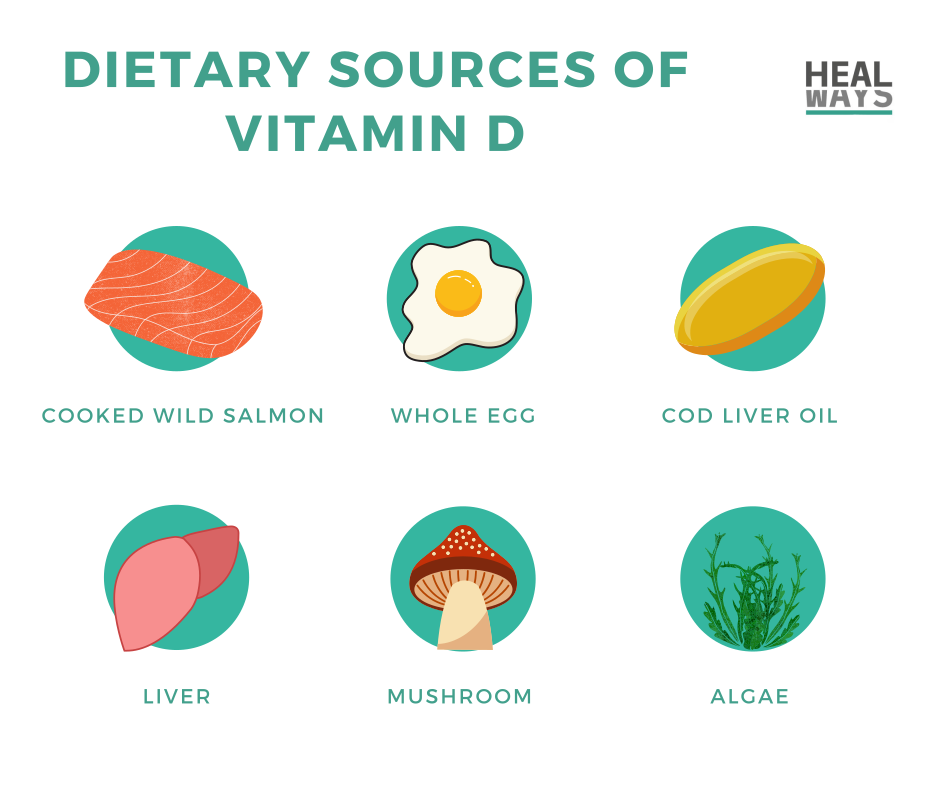
Figure 1. Main dietary sources of vitamin D include eggs, liver, mushrooms, salmon, algae, and cod liver oil
Vitamins are essential nutrients that the body either cannot produce or cannot produce in sufficient amounts to prevent specific negative health outcomes or diseases. Vitamin D deficiency can have wide-ranging consequences beyond rickets. 10
What is a good vitamin D level?
According to the research team at Semmelweis University—95% of the population is vitamin D deficient. The research revealed that in early spring, the average vitamin D level among adults is just 16 ng/ml—approximately half the recommended value. Experts involved in the consensus from 15 medical organizations recommend vitamin D supplementation as essential during autumn and winter months. 11 The Endocrine Society in the United States defines vitamin D deficiency as a serum vitamin 25(OH)D level of 20 ng/ml or less. Vitamin D insufficiency is between 21–29 ng/ml, while levels of 30 ng/ml or higher are considered adequate for both children and adults. It is recommended to maintain a serum 25(OH)D level of at least 30 ng/ml to avoid health risks 12–13, while an optimal range is considered to be 40–60 ng/ml. 4 Among white-skinned individuals, all-cause mortality was higher in those with 25(OH)D levels below 20 ng/ml compared to those with levels between 20–50 ng/ml. Moreover, white individuals showed a stronger link between low vitamin D levels and increased mortality than non-white individuals. Importantly, 25(OH)D levels above 50 ng/ml were not associated with increased mortality risk. 14
How can vitamin D levels be measured?
In the past, vitamin D deficiency was diagnosed through visible signs such as rickets or osteomalacia, typically associated with 25(OH)D levels below 10 ng/ml. Today, vitamin D status is usually assessed by measuring serum 25(OH)D levels. However, the accurate determination of vitamin D deficiency or insufficiency based on serum 25(OH)D levels remains controversial 9. With the introduction of adequate vitamin D dosing and routine supplementation, the need for testing in vulnerable groups has been largely eliminated. Moreover, there is no evidence supporting the benefit of screening 25(OH)D levels in asymptomatic individuals. 9 Considering the specific characteristics of vitamin D metabolism, not all individuals process vitamin D intake with equal efficiency. This can be influenced by factors such as the presence of certain micronutrients or being overweight. Parathyroid hormone (PTH) interacts with vitamin D to regulate blood calcium levels, and PTH levels can indicate whether the body is adequately supplied with vitamin D and able to utilize it properly 15. For example, in individuals with overweight, elevated PTH levels may reflect impaired vitamin D metabolism and therefore a higher requirement for supplementation. 16
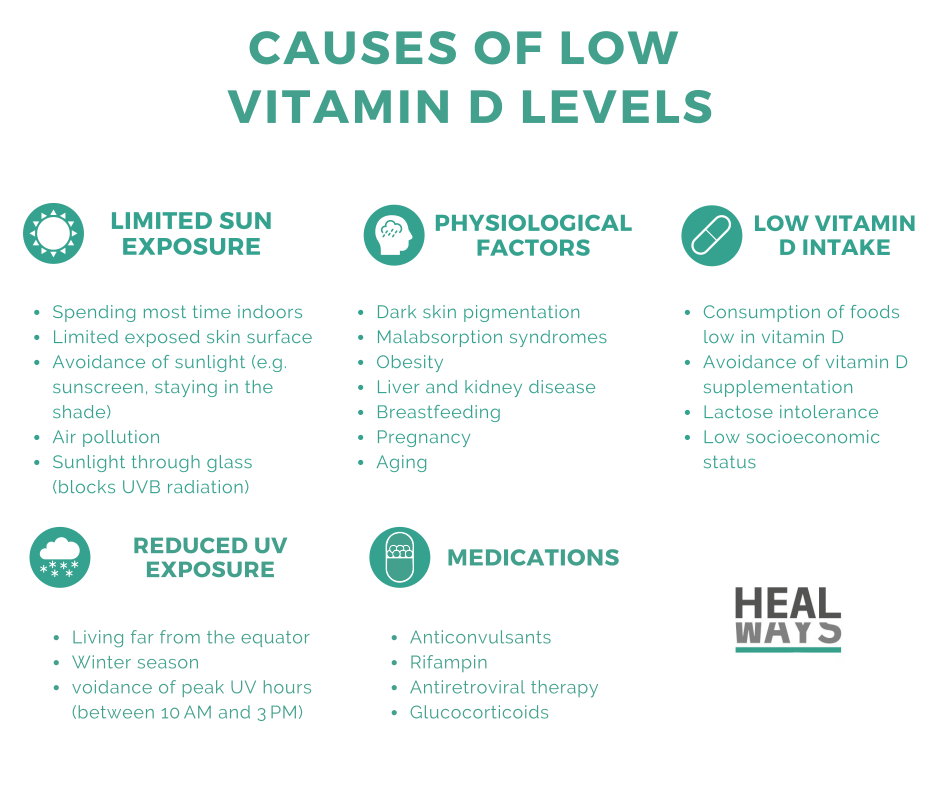
Figure 2. Low vitamin D levels can be caused by insufficient time spent in the sun, various physiological factors, or the use of certain medications
Benefits of adequate vitamin D levels
Vitamin D plays numerous roles in supporting the body's proper function:
- Supports bone and dental health
- Supports immune, brain, and nervous system health
- Regulates insulin and supports diabetes management
- Supports lung function and cardiovascular health
- Affects gene expression, including genes linked to cancer development 17–18
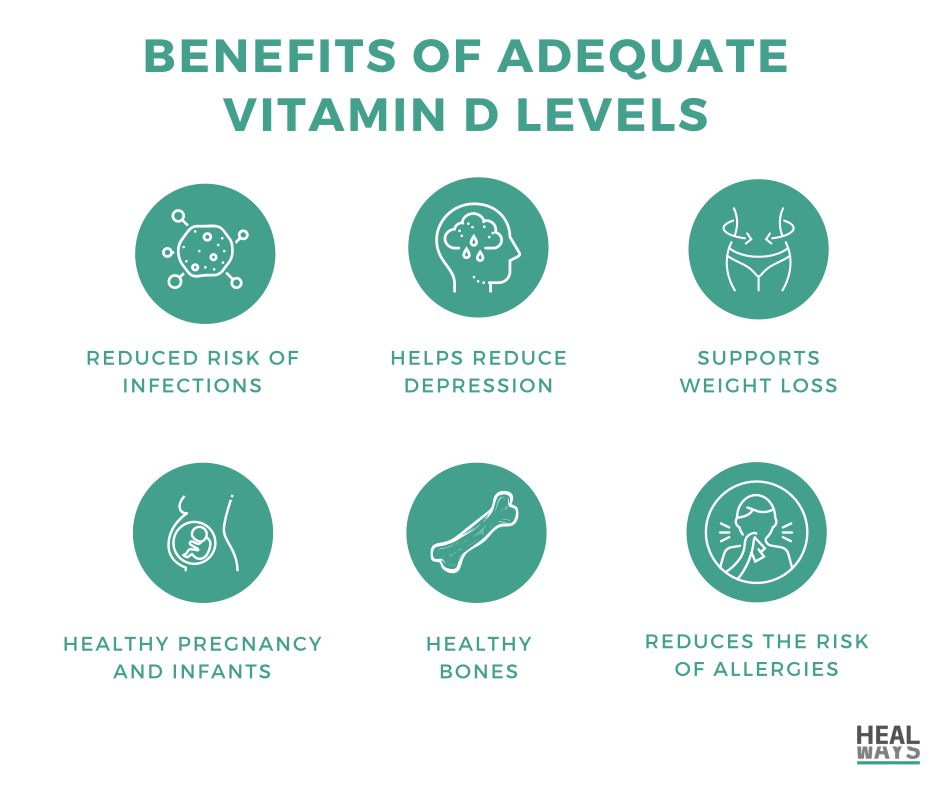
Figure 3. Maintaining optimal vitamin D levels supports overall physical and mental well-being
The disease-preventive role of vitamin D
Beyond its fundamental benefits, multiple studies indicate that vitamin D may help:
- Lower the risk of multiple sclerosis. 14
- Reduce the likelihood of heart disease. 19
- Decrease the risk of influenza. 20
- Offer protection against the flu virus (although further research is needed). 21
The role of vitamin D in disease prevention is also emphasized by twenty physicians 1:
- Vitamin D is a key autocrine regulator of both the innate and adaptive immune responses.
- Its deficiency plays a role in the pathogenesis of autoimmune diseases.
- Vitamin D supplementation can positively impact the management of autoimmune diseases through its immunoregulatory effects. Prophylactic use of vitamin D may reduce the risk of developing autoimmune conditions.
- However, it remains unclear whether vitamin D deficiency in individuals with autoimmune diseases can be corrected using the same doses as in other conditions or in otherwise healthy individuals. Likewise, the optimal vitamin D level required to prevent the development of autoimmune diseases—or to reduce symptoms once the disease has developed—has not been definitively established.
- Given this uncertainty, it is recommended that patients with autoimmune conditions have their vitamin 25(OH)D levels measured, especially during the autumn and winter months. In such cases, both therapeutic and preventive (prophylactic) vitamin D supplementation is advised, provided it is administered in a controlled and monitored manner—particularly in patients with frequently active autoimmune disease or those requiring long-term corticosteroid treatment.
Vitamin D reduces depression
Research suggests that vitamin D intake may play an important role in regulating mood and preventing depression. In one study, patients who took vitamin D supplements showed an improvement in depressive symptoms. 22 Additionally, a study on individuals with fibromyalgia found that vitamin D deficiency was more common in those also experiencing depression. 23
Vitamin D and gut microbiome health
Vitamin D’s benefits for the immune system appear to be partly mediated through its effects on the gut microbiota. 24–25 In one study, healthy participants were given 50,000 IU of oral vitamin D once a week for 12 weeks. Upon evaluation, improvements were noted in parameters indicating liver and kidney function. Moreover, the diversity of gut bacteria, measured via fecal genome analysis, increased. The number of beneficial gut bacteria also rose, while harmful strains decreased. 26
The role of vitamin D in weight loss
Researchers have observed that vitamin D may have appetite-suppressing effects. Participants who took daily vitamin D supplements lost more excess weight compared to those taking a placebo 27. Additionally, overweight individuals who took vitamin D daily showed improvements in heart disease risk factors. 28
The link between vitamin D and healthy bones
Vitamin D is essential for regulating calcium and maintaining phosphorus levels in the blood—both critical for bone health 29. Vitamin D helps the intestines absorb calcium and reabsorb calcium that would otherwise be lost through the kidneys. In children, vitamin D deficiency can cause rickets, often resulting in bowed legs due to bone softening. In adults, deficiency can lead to osteomalacia, or soft bones, resulting in poor bone density and muscle weakness. 30 To summarize 1:
- Normal vitamin D levels are necessary for calcium intake to be effective.
- Bone loss occurs in cases of vitamin D deficiency.
- Severe deficiency alters bone structure, potentially causing rickets or osteomalacia.
- Deficiency increases the risk of falls, which in turn raises the risk of fractures.
- Osteoporosis treatments are significantly less effective when vitamin D levels are low.
The relationship between infant health and vitamin D
Vitamin D deficiency has also been associated with high blood pressure in children. A 2018 study found a possible link between low vitamin D levels and arterial stiffness in children. 31 According to the American Academy of Allergy, Asthma & Immunology (AAAAI), there is evidence that low vitamin D exposure increases the risk of allergic sensitization 32. For example, children living closer to the equator—who get more sunlight—tend to have fewer hospitalizations for allergies and fewer prescriptions for epinephrine auto-injectors. They are also less likely to be allergic to peanuts. The AAAAI also referenced an Australian study on egg introduction 33. Eggs, an early dietary source of vitamin D, were associated with a reduced risk of allergies when introduced between 4–6 months of age. Children introduced to eggs after 6 months had a higher risk of developing allergies. Additionally, vitamin D may enhance the anti-inflammatory effects of glucocorticoids, potentially supporting treatment in cases of steroid-resistant asthma. 34
The relationship between healthy pregnancy and vitamin D
A 2019 study suggested that pregnant women with vitamin D deficiency have a higher risk of developing preeclampsia and experiencing preterm birth. 35 Vitamin D levels have also been linked to gestational diabetes and bacterial vaginosis in pregnant woman. However, it is also important to note that a 2013 study found high levels of vitamin D during pregnancy were associated with an increased risk of food allergies in children during their first two years. 36 One hypothesis is that this effect might stem from a relative vitamin A deficiency triggered by excessive vitamin D intake 37. For more detail, see the section on the relationship between vitamins D and A.
How much vitamin D should I take?
It is not possible to obtain sufficient vitamin D through diet alone, making supplementation essential for everyone. Furthermore, sunlight that passes through glass is not effective for vitamin D production. The amount of vitamin D required to achieve optimal blood levels depends on age, geographical location, time spent in direct sunlight, and even the season. Guidance on how to raise vitamin D levels is provided in joint recommendations by experts such as Dr. Hayman and Chris Kresser.
Dr. Hayman’s recommendation:
1. Test your vitamin 25(OH)D levels. Normal levels are between 10–55 ng/ml—enough to prevent rickets, but not necessarily for optimal health. Dr. Hayman recommends a target of 40–65 ng/ml and suggests that future optimal ranges may be set even higher.
2. Take the right type of vitamin D. The only biologically active form is cholecalciferol (vitamin D3). Many supplements and prescriptions contain vitamin D2, which is not active in the body.
3. Ensure sufficient intake. In the case of deficiency, 5,000–10,000 IU per day is recommended for 3 months under medical supervision. For maintenance, 2,000–4,000 IU of vitamin D3 per day is usually sufficient. Higher doses may be necessary for individuals with darker skin, different vitamin D receptors, or those living at higher latitudes.
4. Monitor your vitamin D levels. If taking high doses (e.g. 10,000 IU/day), doctors should monitor calcium, phosphorus, and parathyroid hormone levels every three months.
5. Be patient. It may take 6–10 months to restore vitamin D levels in cases of deficiency. Once optimal levels are reached, the dose can be reduced to 2,000–4,000 IU per day. 38
6. Dietary intake of vitamin D is also recommended, with the following sources 38:
a) Fish liver oils (e.g. cod liver oil): 1 tablespoon contains 1,360 IU
b) Cooked wild salmon (100 g): contains 360 IU
c) Cooked mackerel (100 g): contains 345 IU
d) Canned oily sardines (50 g): contains 250 IU
e) Whole egg: contains 20 IU of vitamin D
Chris Kresser’s recommendation:
Based on literature reviews and clinical experience, Chris Kresser recommends an optimal 25(OH)D range of 35–60 ng/ml. He acknowledges variations across ethnic groups and notes that autoimmune patients may benefit from levels between 45–60 ng/ml. His recommendations are:
1. Vitamin supplementation is recommended according to 25(OH)D levels.
a) Below 20 ng/ml: Use a combination of UV exposure, cod liver oil, and supplements
b) 25–35 ng/ml: Check PTH levels. If adequately suppressed (< 30 pg/ml), supplementation is unnecessary.
c) 35–50 ng/ml: Maintain current lifestyle and diet
d) Above 50 ng/ml: Reduce supplementation and ensure intake of other fat-soluble vitamins to avoid toxicity
2. Retest after 3–4 months. Adjust diet, lifestyle, or supplementation if necessary, and test again in another 3–4 months
3. Prioritize sunlight. UV exposure has benefits beyond vitamin D production and lowers toxicity risks. Aim for 15–30 minutes daily or half the time it takes for skin to turn pink. Sunscreen blocks vitamin D production and other beneficial photoproducts.
4. To protect against toxicity, it is also important to pay attention to other micronutrients. Cod liver oil provides vitamins A and D, ghee is a good source of vitamin K, sweet potatoes, bananas, psyllium seeds, and avocados supply potassium. Magnesium is essential and often deficient due to soil depletion, so supplementation may be necessary. 39
McCullough’s observations:
Since July 2011, Summit Behavioral Healthcare (SBH), a 291-bed psychiatric hospital in Cincinnati, Ohio, has administered 5,000 IU or 10,000 IU of vitamin D3 daily to patients based on physician discretion. Their findings show this regimen to be safe and effective, even long-term, with no observed toxicity at 25(OH)D levels up to 202 ng/ml while using 10,000 IU/day. 40 As many patients are hospitalized for extended periods, they often receive vitamin D3 for several months, with 43% being treated for a year or more. A significant proportion of patients are diagnosed with vitamin D deficiency or insufficiency upon admission. 40 The 10,000 IU/day dose was selected for two reasons: 1. A thorough review of studies on hypercalcaemia showed it to be safe. 2. The body naturally produces 10,000–25,000 IU of vitamin D per day with sufficient sun exposure, making 10,000 IU a reasonable upper limit. 40 Research has also found that a daily intake of 20,000 to 60,000 IU of vitamin D over a prolonged period is safe, with 25(OH)D levels reaching 384 ng/ml. Based on this, no evidence of toxicity was observed at levels exceeding the current upper safe limit of 100 ng/ml for 25(OH)D. Furthermore, no differences in overall serum calcium levels were found between patients taking vitamin D and those who were not, and no cases of vitamin D-induced hypercalcaemia were reported. 40 These higher doses were administered only under medical supervision. The maximum safe daily intake remains 4,000 IU. Higher doses should only be used under a doctor’s care. 40
Consensus recommendations:
1. In Central Europe direct sun exposure to the face and uncovered limbs for 15 minutes between 10 AM and 3 PM, from March to October, is necessary for adequate vitamin D₃ production. From late autumn to early spring, sunlight levels are insufficient for this purpose.
2. UV-A radiation from tanning beds is not suitable for vitamin D₃ synthesis.
3. Due to the low vitamin D content of foods, dietary intake alone is insufficient to maintain adequate levels.
4. Vitamin D₃ is preferred over vitamin D₂ for supplementation.
5. Owing to its long half-life, vitamin D can be supplemented not only daily but also weekly or monthly. A weekly dose may be 14,000 IU, and a monthly dose 60,000 IU.
6. Overweight individuals require higher amounts of vitamin D.
7. The primary source of vitamin D for the human body is UV-B radiation.
8. Depending on UV-B intensity, 10–30 minutes of sun exposure to 15% of the body surface—such as the face, arms, and shoulders—is sufficient for vitamin D synthesis and does not increase the risk of skin cancer. However, prolonged sun exposure without sunscreen, resulting in sunburn, is not recommended.
9. For non-obese adults over 18, a daily intake of 1,500–2,000 IU of vitamin D is recommended to prevent deficiency. The maximum safe daily intake is 4,000 IU.
10. For infants and young children: 400 IU/day for infants, 1,000 IU/day for preschoolers, and 2,000 IU/day during adolescence. These doses are recommended during the autumn and winter months when sunlight exposure is insufficient.
11. A blood level of 75 nmol/L (30 ng/mL) is considered within the normal range. During the winter months, 2,000 IU of vitamin D₃ daily is recommended to maintain this level. In cases of deficiency or illness, higher therapeutic "saturation doses" may be required under medical supervision. 1–2
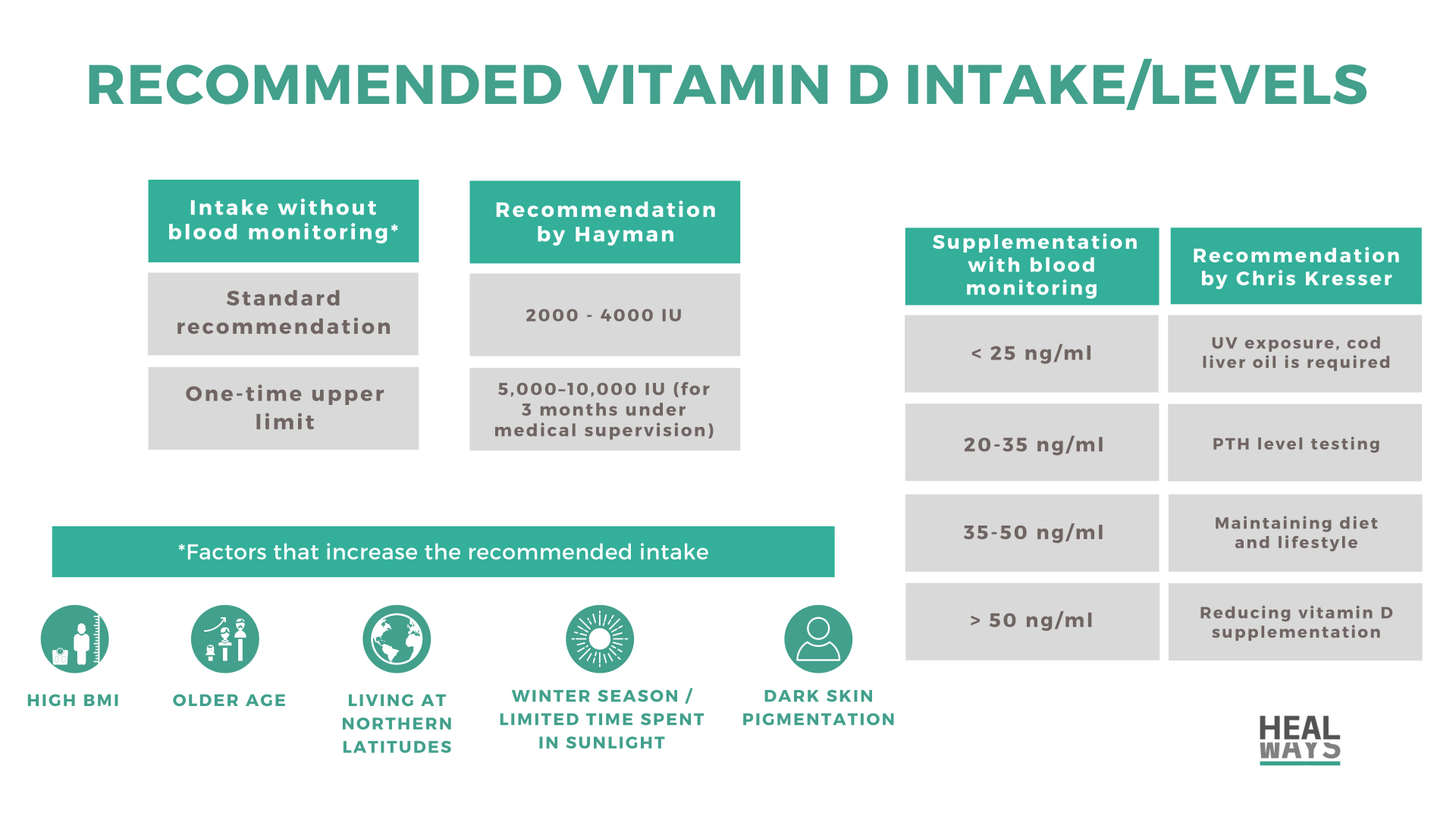
Figure 4. Who should take how much vitamin D according to scientific recommendations?
Causes and symptoms of vitamin D overdose
Vitamin D overdose is extremely rare and most commonly occurs in industrial settings. 1 Typically, it is not an excess of vitamin D but rather a deficiency that poses a greater challenge, as the body is less equipped to compensate for low levels. In rare and extreme cases, vitamin D toxicity can occur due to the intake of excessively high doses from supplements—not from diet or sunlight. This is because the body naturally regulates the amount of vitamin D it produces from sun exposure, and fortified foods do not contain high enough levels to cause toxicity. 41 Adults taking 20,000 IU/day typically maintain blood 25(OH)D levels of 60–80 ng/ml. No toxicity has been observed at this level 7. According to the American Endocrine Society, vitamin D toxicity does not occur below 150 ng/ml of 25(OH)D. Toxicity—characterised by hypercalcaemia (high blood calcium), hyperphosphataemia (high phosphorus), or suppressed parathyroid hormone—has only been reported when doses between 50,000 IU and 1 million IU per day were taken over months or years. 4, 6, 13 Vitamin D supplements can interact with various medications. The U.S. National Institutes of Health provides specific examples. 30
Research problems with vitamin D
At times, recommendations and findings about vitamin D can seem contradictory. That’s why it's essential to interpret each piece of information in its proper context. The following section provides a clear overview to help make sense of current knowledge and practical guidance regarding vitamin D. 1, 4 When evaluating vitamin D research, it's important to consider the limitations of study design and methodology. Key questions include:
1. Is it an observational study, which can only detect associations, or a randomised controlled trial (RCT), which usually balances unknown confounding variables?
2. Measurement method: How was vitamin D intake measured? Was 25(OH)D serum concentration used as a proxy for intake?
3. What benefits were demonstrated for vitamin D? Was it the achieved serum 25(OH)D level that mattered, or a specific clinical outcome? And was the primary aim of the study to assess that outcome?
4. Appropriateness of measurement: Is 25(OH)D the most reliable marker for assessing vitamin D status in all cases? 9
A recent study sheds light on why research findings on vitamin D can sometimes be inconsistent. An individual’s ability to utilize vitamin D depends partly on how efficiently it is converted into its active metabolite (1,25(OH)₂D), and how effectively this metabolite interacts with its receptors. As a result, establishing a consistent relationship between vitamin D intake and health outcomes is extremely challenging and highly dependent on the study context. 42
Other associations with vitamin D intake
Vitamin D and sun exposure
Vitamin D deficiency is surprisingly common, even in sunny regions and during summer months. This is largely due to modern indoor lifestyles and the widespread use of sunscreen or protective clothing when outdoors. 11 Data show that 10–30 minutes of sun exposure per day over 15% of the body surface—typically the face, arms, and shoulders—is sufficient for vitamin D synthesis, depending on UVB intensity 43–44. This amount of exposure does not raise the risk of skin cancer. However, prolonged sun exposure, especially to the point of sunburn, is not recommended. Notably, higher vitamin D production does not result from longer periods in the sun—after a certain point, production plateaus. 1, 45 Older adults are at increased risk of vitamin D deficiency. They often spend less time in the sun and have fewer skin receptors to convert UVB radiation into vitamin D. Additionally, their diets may lack sufficient vitamin D, and aging kidneys may reduce the conversion of vitamin D to its active form. Therefore, people over 65 are at particularly high risk for deficiency. 46
Vitamin D and overweight
Vitamin D3 produced by sunlight is stored in adipose tissue and used during winter when sun exposure is limited. Studies of obese patients who underwent gastric bypass surgery revealed that their abdominal fat contained between 4–400 ng/g of vitamin D2 and D3. This suggests that fat tissue may act as a reservoir, but it can also sequester vitamin D, making it less bioavailable and increasing the risk of deficiency 47. It was also observed that when non-obese and obese individuals were given 50,000 IU of vitamin D2 orally or exposed to simulated sunlight in a tanning bed, the blood vitamin D concentration in obese participants was at most 50% of that measured in non-obese individuals. 48–49 One study found that BMI is a better predictor than absolute body weight for determining the vitamin D dosage needed to reach target 25(OH)D levels. The recommendation is 1.5 times the standard dose for overweight individuals and 2–3 times for those who are obese. 7
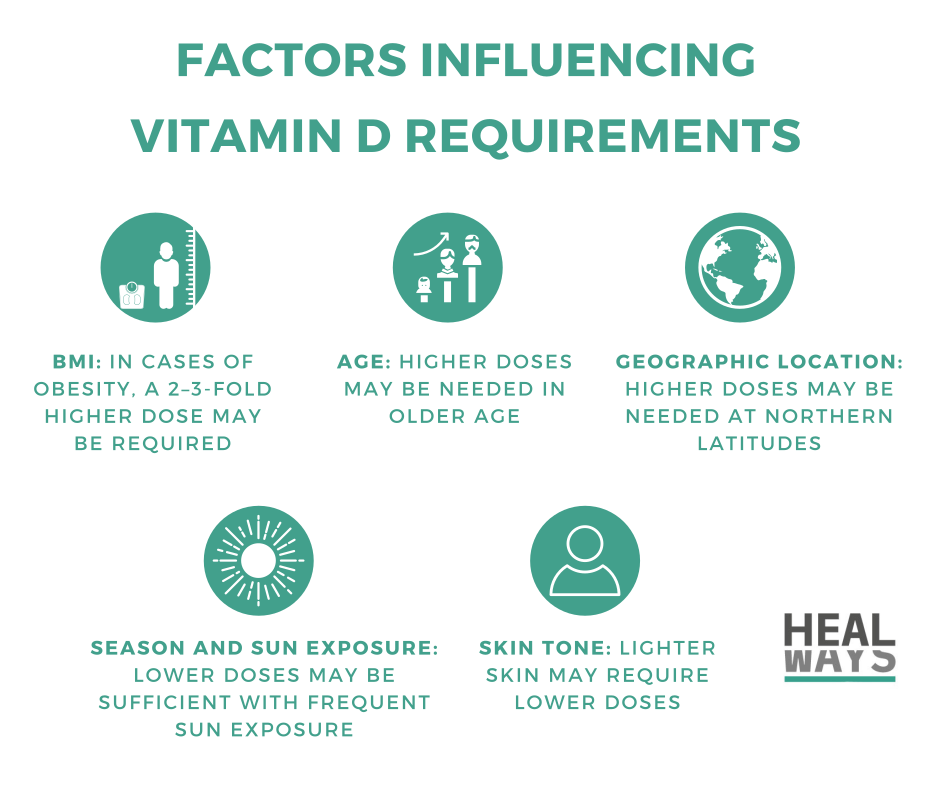
Figure 5. Vitamin D requirements vary from person to person. Influencing factors include body mass index, age, place of residence, time spent in the sun, and skin tone.
Relationship between vitamin D and vitamin K
Research in animals and humans, supported by evidence from genetic, molecular, cellular, and human studies indicates that optimal levels of both vitamin D and vitamin K are beneficial for cardiovascular health. Supplementation with both vitamins appears to be more effective for bone and cardiovascular health than either one alone. 50 A 2007 study suggested that high doses of vitamin D may cause a functional vitamin K deficiency, but more research is needed to confirm this. 51 Although the interaction between vitamins D and K is still not fully understood, it’s important to maintain adequate intake of both, as they are essential nutrients. 52
Relationship between vitamin D and vitamin A
The effects of vitamins A and D on the immune system are frequently studied, but they are rarely examined together—even though they influence many of the same cellular functions, they are closely related and can be cross-regulated. 53 Data on the role of vitamin D in lung cancer prevention among high-risk populations remain limited. Vitamin A (retinol) plays a crucial role in lung development and cell differentiation, as well as in the vitamin D signalling pathway 54. Dietary and supplemental intake of vitamin A may enhance the lung cancer–preventive effects of vitamin D in smokers. 55 However, data on the relationship between high vitamin A intake and low bone mineral density (BMD) are mixed. One cross-sectional study found that vitamin A did not negatively affect bone density as long as 25(OH)D levels remained within the moderate range of 20–30 ng/ml 56. Vitamins D and A act on common nuclear receptors 57, and high intakes of one may trigger deficiency symptoms of the other. This interaction may also contribute to the bone density–reducing effect of vitamin A in the context of vitamin D deficiency. 58 A key metabolite of vitamin A—retinoic acid—is vital for mucosal immunity and the differentiation of a specific subset of T cells that help suppress inflammation. 59
The relationship between vitamin D and magnesium
Diagnosing chronic magnesium deficiency is challenging, as there is no simple and reliable laboratory test for overall body magnesium status. Magnesium is crucial for vitamin D metabolism, and high doses of vitamin D can severely deplete magnesium. For this reason, magnesium supplementation should be considered an essential part of vitamin D therapy 60. Low dietary magnesium may also impair the parathyroid hormone (PTH) response to 25(OH)D, reducing vitamin D effectiveness. 16
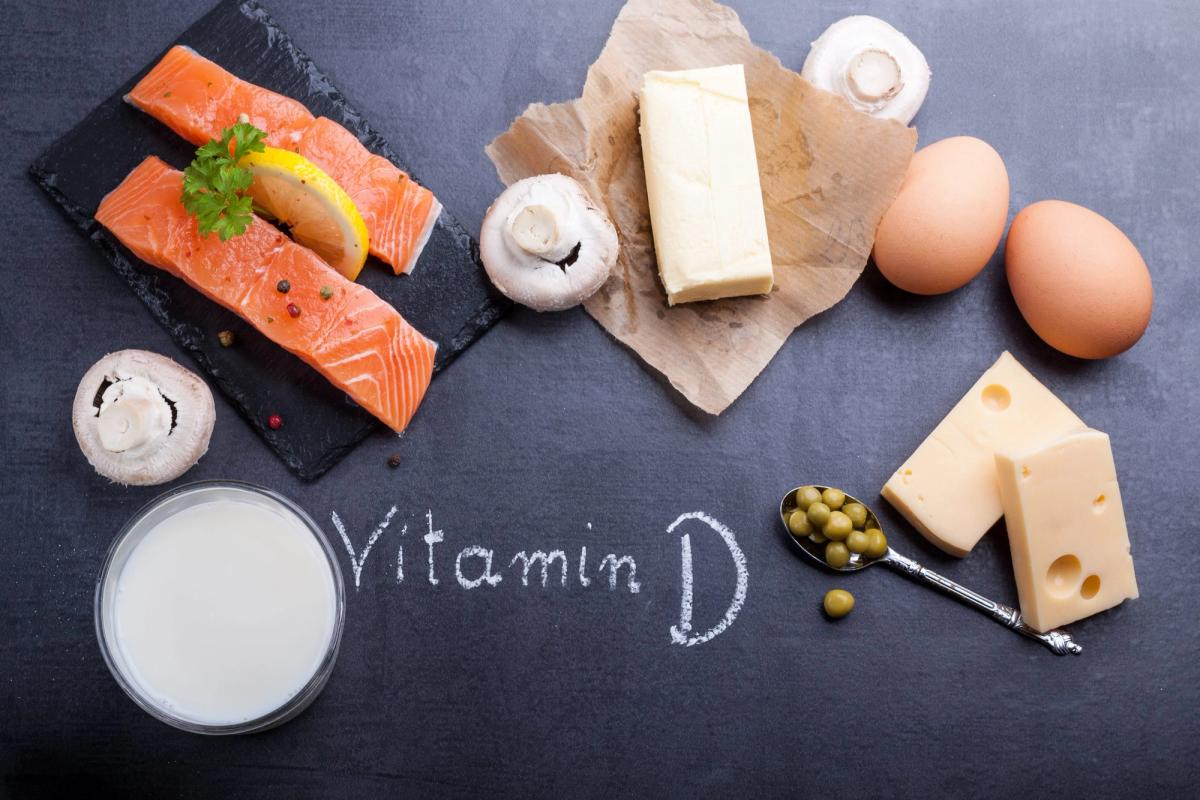
Figure 6. Sources of vitamin D
Find out what's happening in your gut.
A comprehensive microbiome analysis reveals the composition of your gut flora — and gives you a concrete starting point for next steps.
Order the testReferences
69 referencesReferences
[1] I. Takacs et al., “Hazai konszenzus a D-vitamin szerepéről a betegségek megelőzésében és kezelésében,” Orv. Hetil., vol. 153, pp. 5–26, May 2012, DOI: https://doi.org/10.1556/OH.2012.29410
[2] “A csonttörések megelőzésében és a koronavírus elleni küzdelemben is segít a D-vitamin.” https://semmelweis.hu/hirek/2021/12/06/a-csonttoresek-megelozeseben-es-a-koronavirus-elleni-kuzdelemben-is-segit-a-d-vitamin/
[3] M. Wacker and M. F. Holick, “Sunlight and Vitamin D: A global perspective for health,” Dermatoendocrinol., vol. 5, no. 1, pp. 51–108, 0 2013, DOI: https://doi.org/10.4161/derm.24494
[4] A. Hossein-nezhad and M. F. Holick, “Vitamin D for Health: A Global Perspective,” Mayo Clin. Proc. Mayo Clin., vol. 88, no. 7, pp. 720–755, Jul. 2013, DOI: https://doi.org/10.1016/j.mayocp.2013.05.011
[5] C. F. Garland et al., “Meta-analysis of all-cause mortality according to serum 25-hydroxyvitamin D,” Am. J. Public Health, vol. 104, no. 8, pp. e43-50, 0 2014, DOI: https://doi.org/10.2105/AJPH.2014.302034
[6] M. F. Holick, “The Death D-fying Vitamin,” Mayo Clin. Proc., vol. 93, no. 6, pp. 679–681, 2018, DOI: https://doi.org/10.1016/j.mayocp.2018.04.014
[7] J. P. Ekwaru, J. D. Zwicker, M. F. Holick, E. Giovannucci, and P. J. Veugelers, “The Importance of Body Weight for the Dose Response Relationship of Oral Vitamin D Supplementation and Serum 25-Hydroxyvitamin D in Healthy Volunteers,” PLOS ONE, vol. 9, no. 11, p. e111265, 0 2014, DOI: https://doi.org/10.1371/journal.pone.0111265
[8] J. Bakos and P. Mikó, “[Vitamin D forming effectiveness of ultraviolet radiation from sunlight in different months in Budapest, Hungary],” Orv. Hetil., vol. 148, no. 7, pp. 319–325, Feb. 2007, DOI: https://doi.org/10.1556/OH.2007.27840
[9] T. D. Thacher and B. L. Clarke, “Vitamin D insufficiency,” Mayo Clin. Proc., vol. 86, no. 1, pp. 50–60, 0 2011, DOI: https://doi.org/10.4065/mcp.2010.0567
[10] B. K. Harbolic and M. C. Stöppler, “Vitamin D Deficiency: 9 Symptoms & Signs, 3 Causes, 4 Treatments,” MedicineNet, Sep. 09, 2020. https://www.medicinenet.com/vitamin_d_deficiency/article.htm
[11] KRI, “Tízből kilenc magyar D-vitamin hiányos,” Sep. 23, 2013. https://semmelweis.hu/mediasarok/2013/09/23/weborvos-hu-tizbol-kilenc-magyar-d-vitamin-hianyos/
[12] M. F. Holick, “Vitamin D deficiency,” N. Engl. J. Med., vol. 357, no. 3, pp. 266–281, Jul. 2007, DOI: https://doi.org/10.1056/NEJMra070553
[13] M. F. Holick et al., “Evaluation, treatment, and prevention of vitamin D deficiency: an Endocrine Society clinical practice guideline,” J. Clin. Endocrinol. Metab., vol. 96, no. 7, pp. 1911–1930, Jul. 2011, DOI: https://doi.org/10.1210/jc.2011-0385
[14] D. V. Dudenkov, K. C. Mara, T. M. Petterson, J. A. Maxson, and T. D. Thacher, “Serum 25-Hydroxyvitamin D Values and Risk of All-Cause and Cause-Specific Mortality: A Population-Based Cohort Study,” Mayo Clin. Proc., vol. 93, no. 6, pp. 721–730, Jun. 2018, DOI: https://doi.org/10.1016/j.mayocp.2018.03.006
[15] M. A. Serdar et al., “Analysis of Changes in Parathyroid Hormone and 25 (OH) Vitamin D Levels with Respect to Age, Gender and Season: A Data Mining Study,” J. Med. Biochem., vol. 36, no. 1, pp. 73–83, Jan. 2017, DOI: https://doi.org/10.1515/jomb-2017-0002
[16] M. M. Cheung et al., “Low dietary magnesium intake alters vitamin D—parathyroid hormone relationship in adults who are overweight or obese,” Nutr. Res., vol. 69, pp. 82–93, Sep. 2019, DOI: https://doi.org/10.1016/j.nutres.2019.08.003
[17] D. R. Wilson, “3 Surprising Benefits of Vitamin D,” Healthline, May 20, 2013. https://www.healthline.com/health/food-nutrition/benefits-vitamin-d
[18] D. Sullivan and M. Ware, “What are the health benefits of vitamin D?,” Nov. 07, 2019. https://www.medicalnewstoday.com/articles/161618
[19] S. Judd and V. Tangpricha, “Vitamin D Deficiency and Risk for Cardiovascular Disease,” Circulation, vol. 117, no. 4, pp. 503–511, Jan. 2008, DOI: https://doi.org/10.1161/CIRCULATIONAHA.107.706127
[20] M. Urashima, T. Segawa, M. Okazaki, M. Kurihara, Y. Wada, and H. Ida, “Randomized trial of vitamin D supplementation to prevent seasonal influenza A in schoolchildren,” Am. J. Clin. Nutr., vol. 91, no. 5, pp. 1255–1260, May 2010, DOI: https://doi.org/10.3945/ajcn.2009.29094
[21] B. M. Gruber-Bzura, “Vitamin D and Influenza—Prevention or Therapy?,” Int. J. Mol. Sci., vol. 19, no. 8, Aug. 2018, DOI: https://doi.org/10.3390/ijms19082419
[22] R. Jorde, M. Sneve, Y. Figenschau, J. Svartberg, and K. Waterloo, “Effects of vitamin D supplementation on symptoms of depression in overweight and obese subjects: randomized double blind trial,” J. Intern. Med., vol. 264, no. 6, pp. 599–609, 2008, DOI: https://doi.org/10.1111/j.1365-2796.2008.02008.x
[23] D. J. Armstrong, G. K. Meenagh, I. Bickle, A. S. H. Lee, E.-S. Curran, and M. B. Finch, “Vitamin D deficiency is associated with anxiety and depression in fibromyalgia,” Clin. Rheumatol., vol. 26, no. 4, pp. 551–554, Apr. 2007, DOI: https://doi.org/10.1007/s10067-006-0348-5
[24] R. V. Luthold, G. R. Fernandes, A. C. Franco-de-Moraes, L. G. D. Folchetti, and S. R. G. Ferreira, “Gut microbiota interactions with the immunomodulatory role of vitamin D in normal individuals,” Metabolism., vol. 69, pp. 76–86, 2017, DOI: https://doi.org/10.1016/j.metabol.2017.01.007
[25] R. L. Thomas et al., “Vitamin D metabolites and the gut microbiome in older men,” Nat. Commun., vol. 11, no. 1, p. 5997, Nov. 2020, DOI: https://doi.org/10.1038/s41467-020-19793-8
[26] P. Singh, A. Rawat, M. Alwakeel, E. Sharif, and S. Al Khodor, “The potential role of vitamin D supplementation as a gut microbiota modifier in healthy individuals,” Sci. Rep., vol. 10, no. 1, Art. no. 1, Dec. 2020, DOI: https://doi.org/10.1038/s41598-020-77806-4
[27] G. C. Major, F. P. Alarie, J. Doré, and A. Tremblay, “Calcium plus vitamin D supplementation and fat mass loss in female very low-calcium consumers: potential link with a calcium-specific appetite control,” Br. J. Nutr., vol. 101, no. 5, pp. 659–663, Jul. 2008, DOI: https://doi.org/10.1017/S0007114508030808
[28] A. Zittermann et al., “Vitamin D supplementation enhances the beneficial effects of weight loss on cardiovascular disease risk markers,” Am. J. Clin. Nutr., vol. 89, no. 5, pp. 1321–1327, May 2009, DOI: https://doi.org/10.3945/ajcn.2008.27004
[29] J. L. Shaker and L. Deftos, “Calcium and Phosphate Homeostasis,” in Endotext, K. R. Feingold, B. Anawalt, A. Boyce, G. Chrousos, W. W. de Herder, K. Dungan, A. Grossman, J. M. Hershman, H. J. Hofland, G. Kaltsas, C. Koch, P. Kopp, M. Korbonits, R. McLachlan, J. E. Morley, M. New, J. Purnell, F. Singer, C. A. Stratakis, D. L. Trence, and D. P. Wilson, Eds. South Dartmouth (MA): MDText.com, Inc., 2000. Accessed: Nov. 08, 2020. [Online]. Available: http://www.ncbi.nlm.nih.gov/books/NBK279023/
[30] NIH US, “Office of Dietary Supplements - Vitamin D,” Sep. 10, 2020. https://ods.od.nih.gov/factsheets/VitaminD-HealthProfessional/
[31] P. Skrzypczyk, K. Dziedzic-Jankowska, A. Ofiara, M. Szyszka, and M. Panczyk-Tomaszewska, “Vitamin D and blood pressure parameters in children and adolescents with arterial hypertension,” J. Hypertens., vol. 36, p. e250, Jun. 2018, DOI: https://doi.org/10.1097/01.hjh.0000539712.55690.49
[32] “Vitamin D and Food Allergy | AAAAI,” The American Academy of Allergy, Asthma & Immunology. https://www.aaaai.org/conditions-and-treatments/library/allergy-library/vitamin-d-food-allergy
[33] J. J. Koplin et al., “Can early introduction of egg prevent egg allergy in infants? A population-based study,” J. Allergy Clin. Immunol., vol. 126, no. 4, pp. 807–813, Oct. 2010, DOI: https://doi.org/10.1016/j.jaci.2010.07.028
[34] C. Benetti, P. Comberiati, C. Capristo, A. L. Boner, and D. G. Peroni, “Therapeutic Effects of Vitamin D in Asthma and Allergy,” Mini Rev. Med. Chem., vol. 15, no. 11, pp. 935–943, 2015, DOI: https://doi.org/10.2174/1389557515666150519110640
[35] J. Woo, C. Giurgescu, and C. L. Wagner, “Evidence of an Association Between Vitamin D Deficiency and Preterm Birth and Preeclampsia: A Critical Review,” J. Midwifery Womens Health, vol. 64, no. 5, pp. 613–629, Sep. 2019, DOI: https://doi.org/10.1111/jmwh.13014
[36] K. Weisse et al., “Maternal and newborn vitamin D status and its impact on food allergy development in the German LINA cohort study,” Allergy, vol. 68, no. 2, pp. 220–228, Feb. 2013, DOI: https://doi.org/10.1111/all.12081
[37] J. Tan et al., “Dietary Fiber and Bacterial SCFA Enhance Oral Tolerance and Protect against Food Allergy through Diverse Cellular Pathways,” Cell Rep., vol. 15, no. 12, pp. 2809–2824, 21 2016, DOI: https://doi.org/10.1016/j.celrep.2016.05.047
[38] M. Hyman, “Vitamin D - Why You are Probably NOT Getting Enough,” Dr. Mark Hyman, Aug. 24, 2010. https://drhyman.com/blog/2010/08/24/vitamin-d-why-you-are-probably-not-getting-enough/
[39] C. Kresser, “Vitamin D: More Is Not Always Better,” Aug. 02, 2016. https://chriskresser.com/vitamin-d-more-is-not-better/
[40] P. J. McCullough, D. S. Lehrer, and J. Amend, “Daily oral dosing of vitamin D3 using 5000 TO 50,000 international units a day in long-term hospitalized patients: Insights from a seven year experience,” J. Steroid Biochem. Mol. Biol., vol. 189, pp. 228–239, May 2019, DOI: https://doi.org/10.1016/j.jsbmb.2018.12.010
[41] K. Zeratsky, “Vitamin D toxicity: What if you get too much?,” Mayo Clinic, Apr. 17, 2020. https://www.mayoclinic.org/healthy-lifestyle/nutrition-and-healthy-eating/expert-answers/vitamin-d-toxicity/faq-20058108
[42] A. Shirvani, T. A. Kalajian, A. Song, and M. F. Holick, “Disassociation of Vitamin D’s Calcemic Activity and Non-calcemic Genomic Activity and Individual Responsiveness: A Randomized Controlled Double-Blind Clinical Trial,” Sci. Rep., vol. 9, Nov. 2019, DOI: https://doi.org/10.1038/s41598-019-53864-1
[43] T. C. Chen, Z. Lu, and M. F. Holick, “Photobiology of Vitamin D,” in Vitamin D: Physiology, Molecular Biology, and Clinical Applications, M. F. Holick, Ed. Totowa, NJ: Humana Press, 2010, pp. 35–60. DOI: https://doi.org/10.1007/978-1-60327-303-9_2
[44] V. Terushkin, A. Bender, E. L. Psaty, O. Engelsen, S. Q. Wang, and A. C. Halpern, “Estimated equivalency of vitamin D production from natural sun exposure versus oral vitamin D supplementation across seasons at two US latitudes,” J. Am. Acad. Dermatol., vol. 62, no. 6, p. 929.e1–9, Jun. 2010, DOI: https://doi.org/10.1016/j.jaad.2009.07.028
[45] D. Wolpowitz and B. A. Gilchrest, “The vitamin D questions: how much do you need and how should you get it?,” J. Am. Acad. Dermatol., vol. 54, no. 2, pp. 301–317, Feb. 2006, DOI: https://doi.org/10.1016/j.jaad.2005.11.1057
[46] B. J. Boucher, “The Problems of Vitamin D Insufficiency in Older People,” Aging Dis., vol. 3, no. 4, pp. 313–329, Jun. 2012. https://pmc.ncbi.nlm.nih.gov/articles/PMC3501367/
[47] N. H. Bell, A. Greene, S. Epstein, M. J. Oexmann, S. Shaw, and J. Shary, “Evidence for alteration of the vitamin D-endocrine system in blacks,” J. Clin. Invest., vol. 76, no. 2, pp. 470–473, 0 1985, DOI: https://doi.org/10.1172/JCI111995
[48] M. F. Holick, “Sunlight and vitamin D for bone health and prevention of autoimmune diseases, cancers, and cardiovascular disease,” Am. J. Clin. Nutr., vol. 80, no. 6 Suppl, pp. 1678S–88S, 2004, DOI: https://doi.org/ 10.1093/ajcn/80.6.1678S
[49] J. Wortsman, L. Y. Matsuoka, T. C. Chen, Z. Lu, and M. F. Holick, “Decreased bioavailability of vitamin D in obesity,” Am. J. Clin. Nutr., vol. 72, no. 3, pp. 690–693, Sep. 2000, DOI: https://doi.org/10.1093/ajcn/72.3.690
[50] A. J. van Ballegooijen, S. Pilz, A. Tomaschitz, M. R. Grübler, and N. Verheyen, “The Synergistic Interplay between Vitamins D and K for Bone and Cardiovascular Health: A Narrative Review,” Int. J. Endocrinol., vol. 2017, 2017, DOI: https://doi.org/10.1155/2017/7454376
[51] C. Masterjohn, “Vitamin D toxicity redefined: vitamin K and the molecular mechanism,” Med. Hypotheses, vol. 68, no. 5, pp. 1026–1034, 2007, DOI: https://doi.org/10.1016/j.mehy.2006.09.051
[52] A. Arnarson, “Is Vitamin D Harmful Without Vitamin K?,” Healthline, Mar. 04, 2017. https://www.healthline.com/nutrition/vitamin-d-and-vitamin-k
[53] M. T. Cantorna, L. Snyder, and J. Arora, “Vitamin A and vitamin D regulate the microbial complexity, barrier function, and the mucosal immune responses to ensure intestinal homeostasis,” Crit. Rev. Biochem. Mol. Biol., vol. 54, no. 2, pp. 184–192, 2019, DOI: https://doi.org/10.1080/10409238.2019.1611734
[54] C. Carlberg et al., “Two nuclear signalling pathways for vitamin D,” Nature, vol. 361, no. 6413, pp. 657–660, Feb. 1993, DOI: https://doi.org/10.1038/361657a0
[55] T.-Y. D. Cheng et al., “Estimated intake of vitamin D and its interaction with vitamin A on lung cancer risk among smokers,” Int. J. Cancer J. Int. Cancer, vol. 135, no. 9, pp. 2135–2145, Nov. 2014, DOI: https://doi.org/10.1002/ijc.28846
[56] N.-S. Joo, S.-W. Yang, B. C. Song, and K.-J. Yeum, “Vitamin A Intake, Serum Vitamin D and Bone Mineral Density: Analysis of the Korea National Health and Nutrition Examination Survey (KNHANES, 2008–2011),” Nutrients, vol. 7, no. 3, pp. 1716–1727, Mar. 2015, DOI: https://doi.org/10.3390/nu7031716
[57] J. Barsony and K. Prufer, “Vitamin D receptor and retinoid X receptor interactions in motion,” Vitam. Horm., vol. 65, pp. 345–376, 2002, DOI: https://doi.org/10.1016/s0083-6729(02)65071-x
[58] C. M. Rohde, M. Manatt, M. Clagett-Dame, and H. F. DeLuca, “Vitamin A Antagonizes the Action of Vitamin D in Rats,” J. Nutr., vol. 129, no. 12, pp. 2246–2250, 0 1999, DOI: https://doi.org/10.1093/jn/129.12.2246
[59] K. Hufnagl and E. Jensen-Jarolim, “Vitamin A and D in allergy: from experimental animal models and cellular studies to human disease,” Allergo J. Int., vol. 27, no. 3, pp. 72–78, 2018, DOI: https://doi.org/10.1007/s40629-018-0054-2
[60] P. Reddy and L. R. Edwards, “Magnesium Supplementation in Vitamin D Deficiency,” Am. J. Ther., vol. 26, no. 1, pp. e124–e132, Feb. 2019, DOI: https://doi.org/10.1097/MJT.0000000000000538
[61] D. Jolliffe et al., “Vitamin D supplementation to prevent acute respiratory infections: systematic review and meta-analysis of aggregate data from randomised controlled trials,” medRxiv, p. 2020.07.14.20152728, 0 2020, DOI: https://doi.org/10.1101/2020.07.14.20152728
[62] A. R. Martineau and N. G. Forouhi, “Vitamin D for COVID-19: a case to answer?,” Lancet Diabetes Endocrinol., vol. 8, no. 9, pp. 735–736, Sep. 2020, DOI: https://doi.org/10.1016/S2213-8587(20)30268-0
[63] C. K. Mok et al., “Calcitriol, the active form of vitamin D, is a promising candidate for COVID-19 prophylaxis,” bioRxiv, p. 2020.06.21.162396, 0 2020, DOI: https://doi.org/10.1101/2020.06.21.162396
[64] D. O. Meltzer, T. J. Best, H. Zhang, T. Vokes, V. Arora, and J. Solway, “Association of Vitamin D Status and Other Clinical Characteristics With COVID-19 Test Results,” JAMA Netw. Open, vol. 3, no. 9, p. e2019722, 01 2020, DOI: https://doi.org/10.1001/jamanetworkopen.2020.19722
[65] C. Annweiler, B. Hanotte, C. Grandin de l’Eprevier, J.-M. Sabatier, L. Lafaie, and T. Célarier, “Vitamin D and survival in COVID-19 patients: A quasi-experimental study,” J. Steroid Biochem. Mol. Biol., vol. 204, p. 105771, 0 2020, DOI: https://doi.org/10.1016/j.jsbmb.2020.105771
[66] J. Xu, J. Yang, J. Chen, Q. Luo, Q. Zhang, and H. Zhang, “Vitamin D alleviates lipopolysaccharide‑induced acute lung injury via regulation of the renin‑angiotensin system,” Mol. Med. Rep., vol. 16, no. 5, pp. 7432–7438, 0 2017, DOI: https://doi.org/10.3892/mmr.2017.7546