
Functional nutrition

Functional nutrition is an integral part of functional medicine, although the two terms are often used interchangeably in everyday language. This approach is increasingly recognized and has proven to be an effective tool in treating many chronic and lifestyle-related health issues. The goal of functional nutrition is to restore physical and mental balance through nutritional and lifestyle interventions that influence the body’s biological functioning. It aims to support the optimal performance of organs and systems that are not functioning properly. The essence of functional nutrition lies in identifying which bodily processes are overactive, sluggish, or dysregulated, and using that information to help restore the body's natural balance. 1
What is functional nutrition?
According to the functional nutrition approach, all aspects of an individual’s health, diet, and lifestyle must be considered when developing nutritional recommendations. In this model, symptoms are not treated in isolation but viewed as signals that may point to deeper imbalances affecting overall health. These imbalances may stem from nutrition, illness, medication, lifestyle habits, toxic exposure, antibiotics, or other environmental factors. Therefore, functional nutrition is not a one-size-fits-all solution but a personalized, holistic approach aimed at restoring health by considering the individual’s unique characteristics. Its goal is to support the body at the cellular level, promoting genuine, lasting healing. Although the terms "functional medicine" and "functional nutrition" are often used interchangeably, they are not identical. Functional medicine is a broader medical framework that interprets health issues as interconnected disturbances or “system errors” in the body. Functional nutrition builds upon this, emphasizing that nutrition is a cornerstone of health, and that poor dietary habits can significantly contribute to disease and discomfort. 2 The principles of functional nutrition are similar in many ways to those of the paleo diet, so the protocols and recommended foods often overlap.
The Paleo diet
The paleo diet is one of the foundations of functional nutrition. According to paleo principles, refined sugars, flour, and other processed foods—as well as grains, legumes (due to the lectins they contain), and dairy products—should be avoided. The diet primarily consists of clean, preferably organic and unprocessed meats such as chicken, fish, turkey, beef, and lamb. All fruits and vegetables can be consumed in moderation, and coconut, nuts, and seeds are also permitted. Certain gluten-free flours, such as coconut flour or grain-based flours, can also be part of the diet. The paleo diet has helped many people heal or improve their health. However, some aspects have since been updated in light of scientific research. Modern approaches now take into account a wider range of factors when defining a healthy diet, rather than relying solely on theoretical assumptions about ancestral eating patterns.
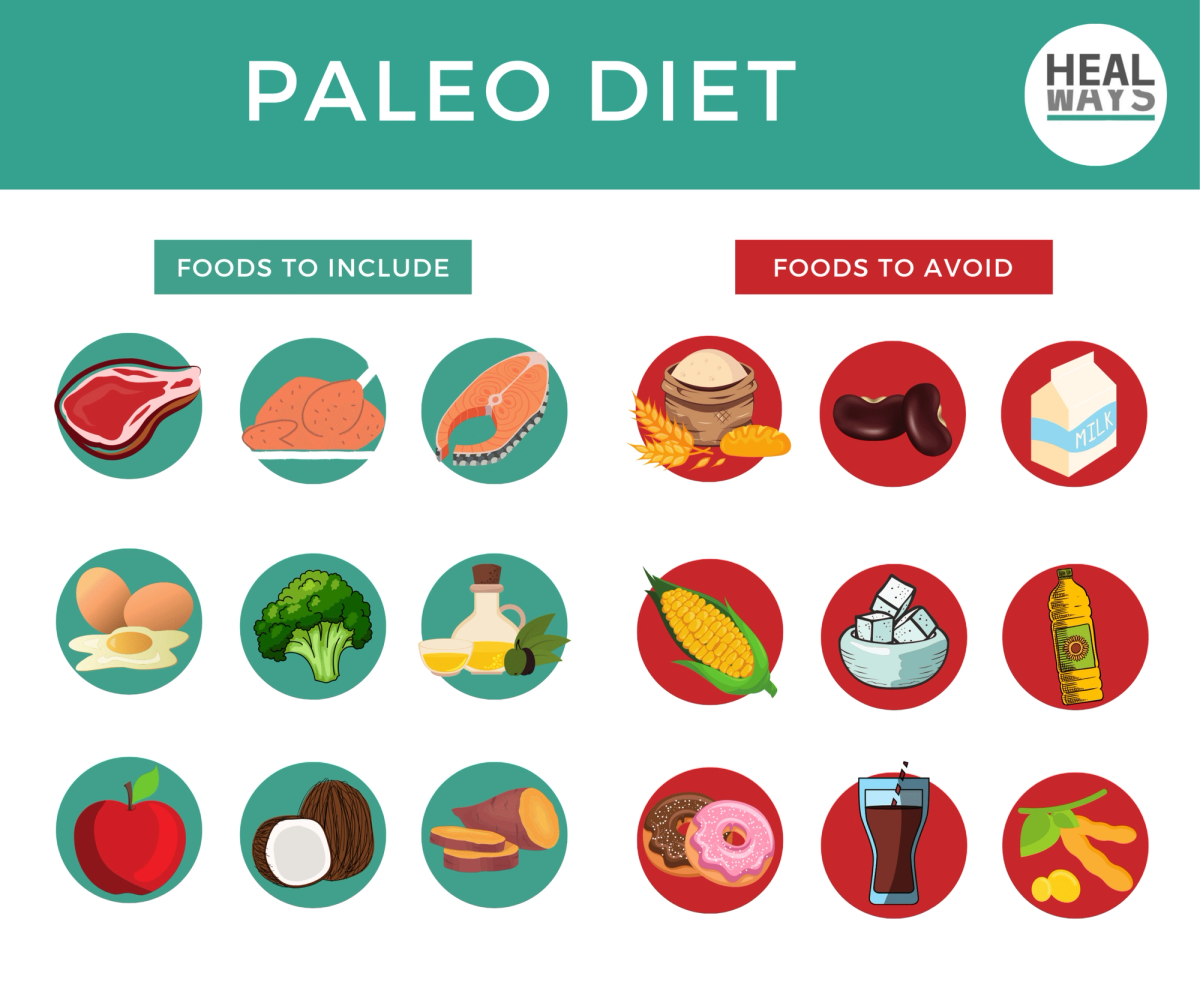
Figure 1. Recommended and Avoided Foods According to the Principles of the Paleo Diet
How do we apply functional nutrition strategies?
Despite the need for individualization, certain basic principles apply universally. The following five steps outline how to implement functional nutrition on a personal level: 1. Intake of Essential Nutrients: The components of food are the body's building blocks. Nutrients such as vitamins, minerals, essential fatty acids, amino acids, probiotics, and complex carbohydrates are critical for maintaining health. Their daily intake is vital. (Our website features detailed articles on topics like Vitamin C and Vitamin D.) 2. Avoiding Toxins: Products from large-scale animal farming, genetically modified (GMO) crops, and pesticide-treated foods introduce substances into the body that were not present 80 years ago. These substances can have harmful effects on health. It's important to source food from trustworthy suppliers to ensure that only known and acceptable substances enter the body. 3. Eating High-Quality Foods: Processed, low-quality foods may lack adequate nutrients, which can pose a risk to health. 4. Focusing on Gut Health: As Hippocrates said, "Health begins and ends in the gut." Even the best diet is ineffective if the digestive system can't process it. More than 80% of the immune system resides in the gut. When the gut is unbalanced, it can lead to infections, inflammation, autoimmune diseases, and hormonal issues—many of which are often misdiagnosed. Maintaining a healthy balance of beneficial bacteria is essential for gut health, and it's important to prevent pathogens or undigested food residues from causing inflammation. Awareness of conditions like leaky gut syndrome or irritable bowel syndrome can help individuals recognize when their digestion is impaired. 5. Maintaining a Healthy Intestinal Flora: A sufficiently high number and diversity of beneficial microbes in the stomach and intestines are essential for proper digestion. The human gut contains roughly the same number of bacteria as cells in the human body 3. This collection of bacteria is known as the microbiome. Gut flora plays a vital role in immune function, body composition, mental health, and even memory. It has also been linked to lifestyle-related conditions such as insulin resistance and type 2 diabetes. Consuming foods rich in natural probiotics helps maintain gut flora balance, supporting effective immune function. 2
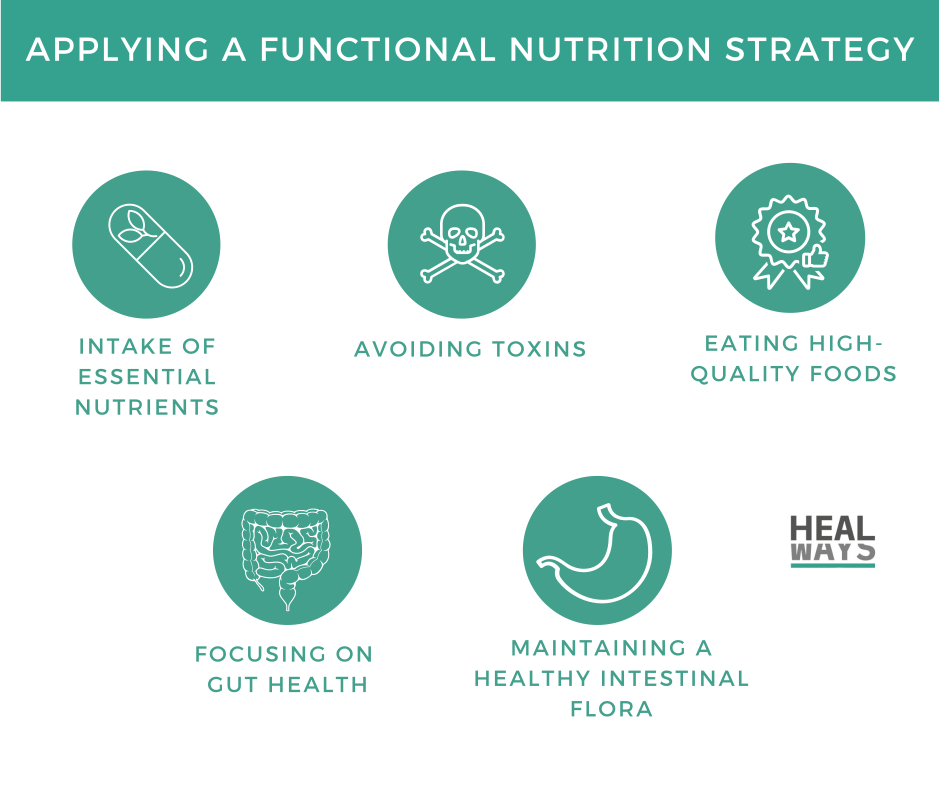
Figure 2. The Core Principles of Functional Nutrition
How can a specialist help?
A functional nutrition approach involves a series of steps that guide the development of a personalized plan. These steps may include:
- Comprehensive review of medical history
- Examination of specific organ systems
- Assessment of dietary supplement intake
- Analysis of current dietary and lifestyle habits
- Interpretation of lab test results
After gathering and analyzing this information, a personalized nutrition plan is created. For instance, in cases of digestive problems, a practitioner might recommend:
- Transitioning to a cleaner diet by eliminating processed foods, gluten, and dairy
- Teaching stress management techniques
- Introducing strategies to prepare the nervous system for eating
- Recommending specific supplements to improve digestion, restore beneficial bacteria, and reduce symptoms
It’s important to note that functional nutrition is not a one-time intervention but a flexible, ongoing process. It involves gradually fine-tuning diet and lifestyle to restore optimal health. 2 Success depends on actively observing and interpreting the body’s signals. If a person responds well to a specific diet, it’s advisable to continue with it; if not, adjustments should be made. Functional nutritionists do not diagnose diseases, prescribe medications, or alter drug regimens. They do not treat specific conditions. Instead, they evaluate the patient’s symptoms, lifestyle, and medical history as a whole to identify health-influencing factors and provide personalized dietary and lifestyle recommendations. Their goal is not to suppress symptoms but to help restore the body’s natural balance. This is a collaborative process: the specialist offers guidance, but lasting results can only be achieved if the patient actively participates and is willing to make meaningful changes 4. Conventional medicine often doesn’t allow for this kind of ongoing, dialogue-based approach, so the functional method can be especially valuable for patients who haven’t found answers through traditional treatments.
Find out what's happening in your gut.
A comprehensive microbiome analysis reveals the composition of your gut flora — and gives you a concrete starting point for next steps.
Order the testReferences
5 referencesReferences
[1] J. Gitalis, “What is Functional Nutrition?,” Jan. 03, 2019 https://www.joshgitalis.com/what-is-functional-nutrition/
[2] C. Riley, “What is Functional Nutrition?” https://www.afpafitness.com/blog/what-is-functional-nutrition
[3] R. Sender, S. Fuchs, and R. Milo, “Are We Really Vastly Outnumbered? Revisiting the Ratio of Bacterial to Host Cells in Humans,” Cell, vol. 164, no. 3, pp. 337–340, Jan. 2016, DOI: https://doi.org/10.1016/j.cell.2016.01.013
[4] M. Dellanina, “What Is Functional Nutrition? A Practical Guide for Dietitians,” Dietitian Success Center, Apr. 15, 2025 https://dietitiansuccesscenter.com/what-is-functional-nutrition/