Vitamin C

What is vitamin C?
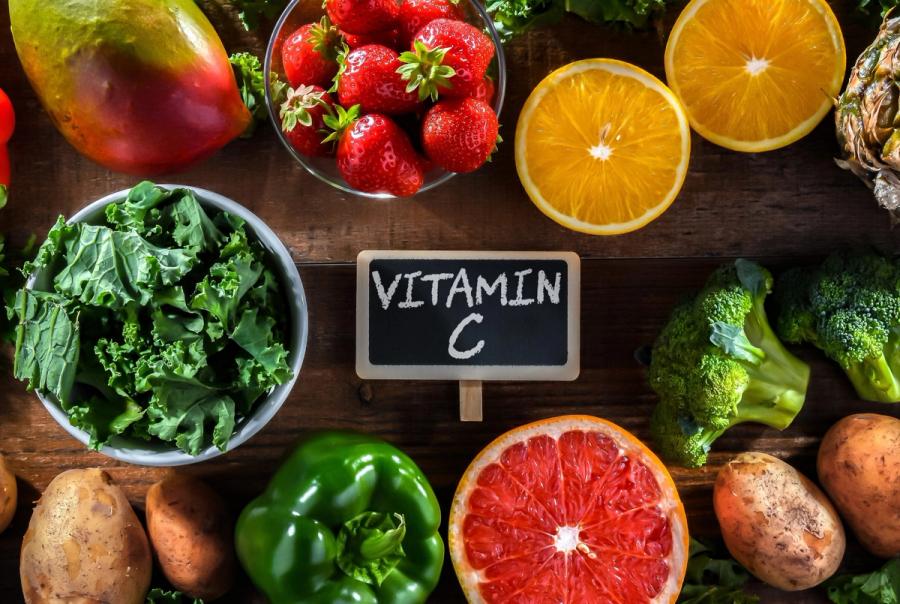
Vitamin C, also known as ascorbic acid, is a water-soluble vitamin involved in many vital biochemical processes in the human body, and its deficiency can lead to serious health issues. Unlike fat-soluble vitamins (A, E, K, and vitamin D), it cannot be stored in the body and is excreted in the urine. It was discovered by Albert Szent-Györgyi, who was awarded the Nobel Prize in 1937 for his findings. Plasma vitamin C levels are tightly regulated by intestinal absorption and renal excretion. Most cells—especially brain and immune cells—contain very high concentrations (millimolar) of vitamin C, which is remarkable compared to other vitamins and underscores its importance. 1 The human body cannot produce vitamin C, so it must be obtained primarily through diet and/or supplementation. Vitamin C deficiency is relatively common, affecting up to 34% of men and 27% of women, particularly the elderly and those with chronic illnesses. 2 Rich dietary sources of vitamin C include citrus fruits, rosehips, green peppers, broccoli, and other fresh vegetables. Several methods are used to determine the recommended daily intake (see below), which may vary depending on factors such as pregnancy, breastfeeding, smoking, or increased physical activity.
How much vitamin C should I take?
Vitamin C intake has been a topic of professional debate. While conventional medicine generally recommends a daily intake of 60–80 mg, two-time Nobel Prize winner Linus Pauling (who lived to 93) advocated for several thousand mg daily. In nature, some animals produce their own vitamin C, and based on their intake and endogenous synthesis, the estimated human requirement may range between 2–9 g (2000–9000 mg) per day. Research by the Linus Pauling Institute supports Pauling’s viewpoint 3–4. Scientific debates have raised questions such as why humans lost the ability to synthesize vitamin C – whether this ability ever existed or if dietary intake was always sufficient. Some evidence suggests that adults benefit most from taking 250–500 mg of vitamin C twice daily. However, an article in the journal of Semmelweis University states that while up to 200 mg can be absorbed at an 80% rate, absorption decreases at higher doses 5. At intakes above 1 g/day, absorption falls below 50%, with excess excreted in the urine 6–7. Findings on the health effects of high-dose vitamin C are mixed. Exceeding 2 g (2000 mg) daily may cause gastrointestinal discomfort, including diarrhea and nausea in sensitive individuals. Long-term high intake can increase the risk of kidney stones and may worsen iron overload—and subsequent tissue damage—in people with haemochromatosis 8. However, other studies find no evidence linking high-dose vitamin C to kidney stones or show increased risk only in men, not women. Each study has its limitations 9–10, so significantly increased vitamin C intake is best undertaken under professional supervision and, where appropriate, with lab testing. 5, 11 The European Food Safety Authority (EFSA) 2013 guideline recommends an average daily requirement of 90 mg/day and a population reference intake of 110 mg/day for men, and 80 mg/day and 95 mg/day respectively for women 12. According to a 2019 national nutrition survey, this is more or less met in the adult population 13. Smokers need at least 35 mg/day more than the recommended intake 11. During pregnancy, 10 mg/day more is advised, and for breastfeeding, an additional 40–60 mg/day. Children aged 7 months–3 years need 20 mg/day; 4–6 years, 30 mg/day; 7–10 years, 45 mg/day; and 11–14 years, 70 mg/day. Adolescents (15–17 years) need 100 mg/day for boys and 90 mg/day for girls 11–12. Interestingly, Albert Szent-Györgyi himself reportedly took 1 g or more of vitamin C per day, increasing to 8–10 g daily in old age. 14
From what sources can vitamin C be obtained?
Natural sources
Vitamin C is primarily found in fresh fruits and vegetables. Below is a list of the richest sources, indicating the approximate vitamin C content per 100 g of food 15–16: Fruits:
- Citrus fruits: oranges (59 mg), lemons (77 mg), grapefruit (36 mg), mandarins (24 mg), limes (29 mg)
- Berries: blackcurrants (150 mg), strawberries (59 mg), currants (35 mg), raspberries (26 mg), rosehips (426 mg). Barbados cherries are among the richest natural sources (1677 mg) 2.
- Kiwi (93 mg) also contains an exceptionally high amount.
- Papaya (61 mg)
- Mango (36 mg)
- Pineapple (48 mg)
- Guava (228 mg) – an exotic alternative.
- Kakadu plum (2907 mg) – an Australian superfood, the highest known food source of vitamin C
Vegetables:
- Peppers: especially yellow (180 mg) and red (140 mg), and chilli (242 mg)
- Broccoli (98 mg) and Brussels sprouts (85 mg) – still retain significant amounts even when cooked, though heating may reduce vitamin C content.
- Cauliflower (48 mg)
- Leafy greens: e.g. kale (120 mg), spinach (30 mg), parsley (133 mg)
- Green peas (40 mg)
- Vitamin C is sensitive to heat, light, and air, so it is best to consume these foods raw or minimally cooked when possible.
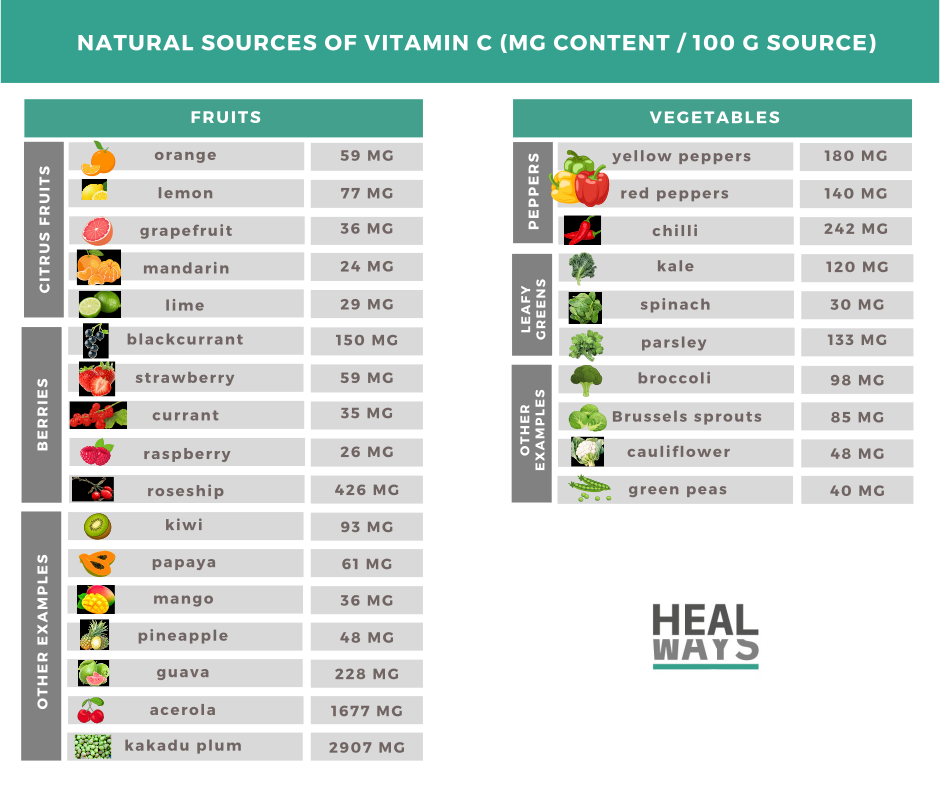
Figure 1. Natural sources of vitamin C
Food supplements
Vitamin C supplements are available in several forms, each with different absorption rates, convenience, and purposes. Most supplements contain ascorbic acid, the most common form of the vitamin. It can be derived from both natural and synthetic sources and is chemically identical in bioavailability to naturally occurring vitamin C in food (e.g. in broccoli) 6. Ascorbic acid is cost-effective and widely available, but at high doses, it may cause gastric irritation due to its acidity. 17 Buffered vitamin C is another form, where ascorbic acid is combined with mineral salts. Magnesium ascorbate contains magnesium, sodium ascorbate contains sodium, and calcium ascorbate contains calcium. There are also other mineral ascorbates, bioflavonoid-supplemented ascorbic acid and mixed forms. These forms have a neutral pH and are gentler on the stomach, especially for those with acid reflux or digestive issues. Ester-C is a special buffered form containing calcium ascorbate, dehydroascorbate, calcium threonate, xylonate, and lixonate. It remains in tissues longer and is excreted more slowly than plain ascorbic acid, making it a good option for individuals who struggle to maintain adequate levels. 6, 17–18 Liposomal vitamin C, encapsulated in lipid layers, offers the highest absorption. It protects the vitamin from stomach acid and, though more expensive, is especially useful for individuals with digestive disorders. It is commonly produced using sunflower lecithin, which may aid liver detoxification. Liposomal vitamin C may also support detoxification in individuals with methylation issues (e.g., due to MTHFR gene variants). This form may also be the best choice for severe deficiency, as such conditions are often associated with impaired absorption in the gut 17. One advanced form is the “hybrid” Fenu-C+, in which vitamin C is encapsulated in liposomes for superior absorption—over 600% higher than that of plain vitamin C—and processed using FenuMAT™ technology. In this process, the liposomes are incorporated into a matrix formed from a specialised fibre derived from fenugreek seeds, creating a hydrocolloid system that is then freeze-dried. 19–20 Is there a difference in bioavailability between the forms? One study found no difference in plasma or urinary vitamin C levels between ascorbic acid, Ester-C, and bioflavonoid-enriched ascorbic acid 18. Another study, however, showed that while Ester-C and ascorbic acid yielded similar plasma levels, Ester-C resulted in significantly higher vitamin C concentrations in white blood cells after 24 hours. 21 Presentation formats include powder, tablets, capsules, chewable tablets, drops, and intravenous administration 16. Pure powdered ascorbic acid is easy to dose and ideal for high intake but can taste sour and irritate the stomach. Tablets and capsules are the most common and convenient daily formats, are easily transportable, available in various strengths and often combined with other nutrients. Chewable tablets are flavored for children or adults who struggle to swallow pills but may contain sweeteners or sugars, potentially affecting dental health, even though absorption via the oral mucosa may be more efficient. Drops form is available for consumption dissolved in water or other liquids, are suitable for children, the elderly, or those with swallowing difficulties but usually have a shorter shelf life. Intravenous vitamin C is reserved for clinical use under medical supervision, such as for cancer or chronic diseases. This route achieves very high plasma concentrations with pro-oxidant, potentially antitumour effects, and is not intended for everyday use. 16 The best form depends on individual health, preferences, and lifestyle. Professional guidance is recommended when choosing a supplement.
For whom is vitamin C supplementation particularly recommended for?
While almost everyone can benefit from vitamin C supplementation, it may be especially necessary for individuals with any of the following conditions or circumstances:
- An unbalanced diet low in fresh fruits and vegetables
In theory, a varied diet should provide enough vitamin C to meet daily requirements and prevent scurvy. However, people with unbalanced or poor diets—such as the elderly, those in difficult living conditions, individuals with alcohol or drug dependence, those with mental illnesses, and sometimes children—may not get enough vitamin C 6, 16. Furthermore, food storage and cooking can significantly reduce vitamin C content, increasing the need for supplementation. 10
- Smoking or passive smoking
Smokers tend to have lower plasma and white blood cell levels of vitamin C due to increased oxidative stress. Their dietary intake is often lower as well. Therefore, an additional 20–80 mg of vitamin C per day is recommended for smokers. 6, 10, 16 Although it is difficult to quantify the exact need for passive smokers, it is important that they at least reach the recommended daily intake. 6
- Pregnancy and breastfeeding
During pregnancy, a woman's vitamin C requirement increases, as hemodilution caused by expanded blood volume and the fetus's active uptake of vitamin C reduce maternal vitamin levels. Breastfeeding also raises vitamin C requirements to ensure adequate supply to the infant. Most national guidelines recommend an additional 10–20 mg/day during pregnancy and 20–60 mg/day during breastfeeding 10. However, it is advisable to consult a healthcare provider before making changes. 16
- Non-breastfed or formula-fed infants
Breast milk and formula typically provide adequate vitamin C. However, in developing countries, infants are sometimes fed boiled cow’s milk, which contains little vitamin C. Heating further destroys what little is present, increasing the risk of deficiency. 16
- Exposure to environmental pollutants
Environmental toxins increase oxidative stress 10, 16. This can lead to lipid peroxidation (cell membrane damage), DNA damage, inflammatory responses, and mitochondrial dysfunction. Supplementing with antioxidants like vitamins C and E, beta-carotene, selenium, and zinc may help protect against these effects by neutralizing free radicals and supporting the body’s antioxidant defence mechanisms.
- Certain chronic conditions and diseases
Chronic illnesses such as malabsorption syndromes, severe underweight, and certain cancers can reduce vitamin C absorption and/or increase physiological demand, thereby increasing the risk of vitamin C deficiency in patients. People undergoing haemodialysis for chronic kidney disease may also be at risk of deficiency. 6, 16
- Other contributing factors include:
- Moderate to heavy alcohol consumption
- Use of illegal drugs
- Work or physical activity performed outdoors or in cold conditions
- Significant physical or emotional stress
- Prolonged illness
- Major surgery
- Overactive thyroid
- Insufficient stomach acid, or part or all of the stomach has been removed (gastrectomy). 16
- Geographic, socioeconomic, and cultural factors may influence the production, selection, and consumption of vitamin C-rich foods. 10
- Preparation and cooking methods that may reduce vitamin C content due to its heat- and water-solubility. 10
What are the main roles of vitamin C in the body?
Antioxidant activity
Vitamin C is one of the most powerful natural antioxidants, protecting cells from damage caused by free radicals. It neutralises oxidative stress-inducing radicals (such as superoxide, hydrogen peroxide, singlet oxygen, hydroxyl, and peroxyl radicals), thereby preventing lipid peroxidation. In this process, free radicals attack lipids in cell membranes, compromising their integrity. L-ascorbic acid’s antioxidant properties also support both cellular and humoral (antibody-mediated) immune functions. Moreover, it protects DNA from oxidative damage and prevents the oxidation of proteins and lipids, contributing to slower ageing. Regular vitamin C intake can raise blood antioxidant levels by up to 30%, helping to lower the risk of chronic diseases such as cardiovascular and neurodegenerative conditions. It may also inhibit the formation of hepatotoxic and carcinogenic nitrosamines. 1, 22–23
Collagen synthesis
Vitamin C is essential for collagen synthesis, acting as a cofactor in the hydroxylation of proline and lysine. In collagen-rich connective tissues, vitamin C enables the formation of hydroxyproline and hydroxylysine, stabilising collagen structure—vital for the health of connective tissues, cartilage, skin, tendons and blood vessels. It is also responsible for the elasticity of bones and supports tooth and gum integrity. When vitamin C is deficient, collagen production is impaired, which can lead to scurvy symptoms such as bleeding gums, fragile blood vessels, and delayed wound healing 1, 22. Ascorbic acid also supports cartilage development and maturation. In addition to the hydroxylation reaction, L-ascorbic acid enhances the gene expression involved in collagen production in fibroblasts. Reactive aldehydes generated during the ascorbic acid-dependent reduction of non-heme and heme iron are likely involved in this mechanism.
Promoting iron absorption
Vitamin C boosts the bioavailability of non-heme (plant-based) iron by maintaining it in the Fe²⁺ form and promoting its incorporation into ferritin, the iron storage protein. The water-soluble vitamin also increases ferritin core stability. Compounds such as phytic acid (found in cereals, maize, rice, and wholemeal or soy products), tannins (from tea and coffee), and polyphenols (from black tea) inhibit iron absorption by forming complexes. Ascorbic acid counteracts this, enhancing intestinal iron uptake. This is particularly important for vegetarians and vegans, who do not consume heme iron from meat or fish. 1, 22
Neurotransmitter and hormone synthesis
Vitamin C plays a key role in the synthesis of catecholamines (e.g., dopamine). It is also involved in the conversion of dopamine to norepinephrine—a process essential for neuronal signalling and the body’s stress response. Ascorbic acid functions as a cofactor for dopamine β-hydroxylase and is thus required for the hydroxylation of dopamine into noradrenalin. During this reaction, L-ascorbic acid is oxidised to dehydroascorbic acid (DHA), releasing hydrogen in the process. The intermediate, semidehydroascorbic acid, is subsequently converted back to ascorbic acid by a specific protein called cytochrome b561, making it available for further hydroxylation reactions. Ascorbic acid is therefore crucial not only for the biosynthesis of norepinephrine but also of epinephrine. 1, 22 It also plays a role in the synthesis of cortisol (stress hormone). The production of glucocorticoids in the adrenal glands depends on ascorbic acid. During periods of physical and psychological stress, cortisol is released in greater amounts. The cortisol regulates salt and water balance, influences protein and carbohydrate metabolism, and promotes fat breakdown. This steroid hormone also supports energy production by facilitating glucose availability and lipid metabolism. Due to its anti-inflammatory and immunosuppressive properties, cortisol is essential for managing stress. A deficiency in ascorbic acid can impair glucocorticoid synthesis, leading to lower cortisol levels and a diminished stress response. Moreover, because stress increases the body’s demand for vitamin C, prolonged stress may raise dietary requirements. 1, 22
Immune system support
Vitamin C supports immune defence by enhancing the function of both the adaptive and innate immune systems. It strengthens epithelial barriers against pathogens and boosts antioxidant activity in the skin. It promotes the activity of white blood cells and helps coordinate an appropriate immune response by increasing the function of neutrophils and lymphocytes—key players in fighting infections. Vitamin C also reduces levels of inflammatory mediators and supports the apoptosis (programmed cell death) of immune cells once they are no longer needed. Furthermore, it inhibits the growth of pathogens and reinforces the integrity of the skin and other protective layers, helping to prevent infections. A deficiency weakens the immune system and increases susceptibility to illness. 1, 24
Epigenetic processes
Vitamin C supports epigenetic regulation by activating TET (ten-eleven translocation) enzymes, which are responsible for DNA demethylation. This influences gene expression and plays a crucial role in tissue regeneration and slowing the ageing process. 1
Carnitine synthesis
Carnitine is an amino acid derivative essential for transporting fatty acids into the mitochondria. L-carnitine is synthesised from the amino acids lysine and methionine, and this process depends on the presence of L-ascorbic acid. An inadequate supply of ascorbic acid can result in carnitine deficiency in the muscles, which may impair fatty acid oxidation and ultimately lead to weakness and fatigue. 1, 22
Supporting histamine degradation
Vitamin C acts as a cofactor for DAO (diamine oxidase), an enzyme crucial for breaking down histamine, which is produced by cells in the intestinal lining and kidneys. This is especially helpful during stress, when histamine levels tend to spike 25. Though not a cure-all, vitamin C may alleviate symptoms associated with high histamine levels. Clinical studies show that vitamin C increases DAO levels and reduces symptoms such as motion sickness 26. Blood levels of histamine can rise significantly in vitamin C deficiency, while 1 g of vitamin C daily for three days can bring levels down 27. High-dose intravenous vitamin C (e.g. 7.5 g) has been shown to reduce histamine in patients with allergies or infections 28. These findings suggest that vitamin C supplementation may help manage histamine-related conditions like allergies, infections, and motion sickness—possibly as an adjunct to medical treatment.
What are the other health benefits of vitamin C?
Reducing high blood pressure and cardiovascular problems
High blood pressure (hypertension) is a major risk factor for heart disease, which remains the leading cause of death worldwide. More than one-third of the adult population is affected. Vitamin C may help lower blood pressure in both hypertensive and healthy individuals. In a study involving 29 participants with high blood pressure, vitamin C supplementation reduced systolic pressure by an average of 4.9 mmHg and diastolic pressure by 1.7 mmHg. Among healthy adults, systolic pressure dropped by 3.8 mmHg and diastolic by 1.5 mmHg. However, it is still unclear whether these effects are sustained long-term 29. It is important to note that vitamin C should not be used as a stand-alone treatment for hypertension. Epidemiological studies show that high consumption of fruits and vegetables is associated with a reduced risk of cardiovascular disease. Their antioxidant content helps reduce oxidative damage, their vitamin C content improves endothelial function, and stabilises vascular walls, potentially protecting against atherosclerosis. However, data from prospective and interventional clinical studies are mixed. While some studies indicate that vitamin C supplements may reduce the risk of coronary heart disease and stroke, many clinical trials have not shown a significant benefit. Interpretation is complicated by the fact that participants may already have near-saturation levels of vitamin C in their blood and tissues, which would reduce the potential effect of supplementation. 6
Prevention and treatment of cancer
Consumption of fruits and vegetables—partly due to their vitamin C content—may lower the risk of various types of cancer through antioxidant and immunomodulatory mechanisms. Cancer patients often have lower plasma vitamin C levels than healthy individuals. Case-control studies have found inverse associations between vitamin C intake and the occurrence of several types of tumors. Between 1990 and 2000, approximately eighty studies confirmed that vitamin C has a significant effect on cancerous diseases 3. However, findings from cohort studies and clinical trials remain inconsistent. This may be due in part to inadequate baseline measurements and cellular saturation levels. As a result, there is still no conclusive evidence that vitamin C reduces overall cancer risk. 6 In the 1970s, early studies suggested that high doses of vitamin C could improve survival and quality of life in terminal cancer patients. However, later studies failed to confirm these findings. The discrepancy may be due to differences in how vitamin C was administered—oral versus intravenous. Intravenous administration can achieve significantly higher blood concentrations, with selective toxicity to cancer cells through pro-oxidant effects. Animal studies and case reports suggest that high-dose intravenous vitamin C may be promising for certain hard-to-treat tumors, but further research is needed. Vitamin C use during chemotherapy or radiotherapy should always be discussed with an oncologist. 6
Rhinitis and other respiratory diseases
Taking at least 200 mg of vitamin C per day may not significantly reduce the risk of developing rhinitis in the general population, but in individuals exposed to extreme physical exertion or cold—such as marathon runners, skiers, and soldiers—preventive supplementation may reduce incidence by as much as 50%. In general, vitamin C supplementation has been shown to modestly shorten the duration of colds (by 8% in adults and 14% in children). However, taking vitamin C after the onset of symptoms does not appear to reduce either their severity or duration. Regular intake of at least 200 mg per day may benefit people with marginal vitamin C status—such as the elderly or smokers—or those exposed to harsh environmental conditions. 6, 30 More broadly, vitamin C supports the prevention and treatment of respiratory and systemic infections. Preventive effects may be achieved at intakes of 100–200 mg per day, while treatment may require significantly higher doses—up to gram-level amounts—to meet the increased demand during inflammation. 24
Fatigue relief and support for normal psychological function
According to a scientific opinion issued by the European Food Safety Authority (EFSA) Panel on Dietetic Products, Nutrition and Allergies, at the request of the European Commission, vitamin C contributes to the reduction of fatigue and tiredness. A causal relationship has also been established between dietary vitamin C intake and normal psychological function. 31 The future applications of vitamin C hold significant promise, especially in the fields of immunology and chronic disease management. 1
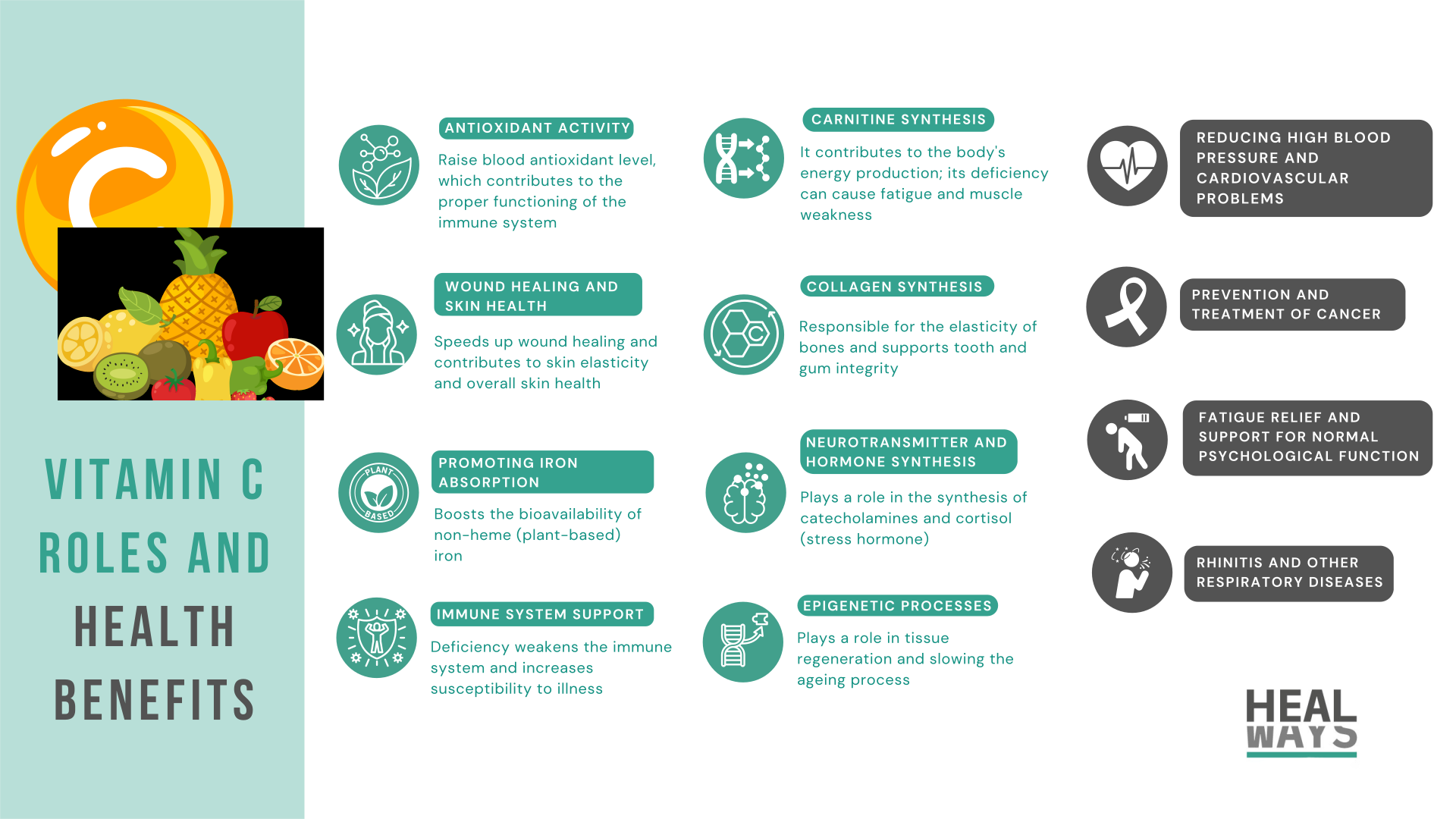
Figure 2. Roles and health benefits of vitamin C
What happens if the body does not get enough vitamin C?
In extreme cases, a severe deficiency of vitamin C can lead to scurvy, though this is rare today. The first symptoms typically appear within one month if daily vitamin C intake falls below 10 mg. Early signs include fatigue, malaise, and gingivitis, likely due to disrupted carnitine synthesis. As the deficiency progresses, collagen production is impaired, weakening connective tissue. This can result in petechiae, easy bruising, joint pain, delayed wound healing, hyperkeratosis, and the appearance of twisted hair. In advanced stages, scurvy may cause depression, swollen and bleeding gums, loosening or loss of teeth, and iron deficiency anaemia. In children, bone abnormalities may also develop. Untreated scurvy can be fatal. 6 Other symptoms of vitamin C deficiency include 16, 32:
- Slow wound healing
- Rough, cracked skin
- Bone changes
- Joint pain and joint effusion
- Enlarged hair follicles with keratin plugs at the base
- Skin rashes
- Anaemia
- Fatigue
- Histamine intolerance
How can the body's vitamin C levels be measured?
Vitamin C levels in the body are assessed using various laboratory methods, each offering different degrees of accuracy and insight into vitamin C status. The most common approach is measuring vitamin C in blood plasma, which reflects recent intake and short-term status. This is typically done using high-performance liquid chromatography (HPLC), a sensitive and accurate technique. However, plasma levels primarily indicate current supply and do not reflect long-term vitamin C status 33. But what is considered an ideal value? In humans, plasma vitamin C levels typically fall below 100 µM/L. Studies show that within this range, disease and mortality risks decline steadily, suggesting the optimal level may be higher, though the exact value remains uncertain. In vitro studies suggest that blood concentrations above 280 µM/L are most effective for controlling bacterial growth and cell proliferation. However, in living organisms, the immune system likely enhances this effect, meaning lower levels may still be sufficient 34. Importantly, when plasma vitamin C levels exceed 60–70 µM/L, its half-life drops to about 30 minutes, meaning it is rapidly excreted in urine. Below this threshold, the half-life can extend to several weeks 35. This suggests that if the goal is to maintain high vitamin C concentrations—for example, for antioxidant or therapeutic purposes—more frequent or higher-dose supplementation may be required due to the body’s rapid clearance. Measuring vitamin C levels in white blood cells offers a more accurate reflection of long-term vitamin C status, as these levels change more slowly in response to dietary intake. Additionally, vitamin C concentrations in urine can indicate whether the body has reached saturation, since any excess is excreted. More specialised methods—such as tissue or hair analysis, or biomarker-based assays—can provide additional insights but are more complex and less commonly used. The choice of method depends on the individual’s health status and the purpose of the assessment, and healthcare professionals may use multiple tests to obtain a more accurate overall picture. 6 Overall, plasma vitamin C measurement is the simplest and most widely used technique, while leukocyte testing and urinalysis offer deeper insights. The availability of easy, reliable testing is essential for early detection and management of vitamin C deficiency, especially in hospitalised patients. 33
Interactions of vitamin C with other vitamins, active substances
Vitamin C interacts with many other vitamins and nutrients in the body, influencing their absorption, utilisation, and biological activity. Thanks to its antioxidant properties, vitamin C can regenerate oxidised vitamin E, thereby restoring its antioxidant function 22, 36. It also helps stabilise and enhance the absorption of certain B vitamins, such as folic acid, and improves the effectiveness of other antioxidants like lutein. However, high doses of vitamin C may inhibit the absorption and metabolism of vitamin B12 and may also interact with herbs or supplements that have hormonal, antibacterial, or blood-thinning effects. 16 When taking specific medications, vitamin C may influence their effectiveness or alter their side effects. It is therefore advisable to consult a healthcare provider before combining vitamin C supplements with the following substances 16:
- Paracetamol and aluminium-containing antacids: These should not be taken at the same time as vitamin C. Allow at least two hours between doses.
- Acetylsalicylic acid (aspirin): Vitamin C may increase the accumulation of aspirin in the body, while aspirin may reduce vitamin C plasma levels.
- Barbiturates: Vitamin C may reduce their effectiveness.
- Phenothiazine derivatives: Vitamin C may lower blood levels of these drugs.
- Anti-HIV medications (e.g. protease inhibitors): Vitamin C may decrease their efficacy.
- Estrogenic or estrogen-containing contraceptives: Estrogens may reduce the effect of vitamin C, while vitamin C may increase blood estrogen levels, raising the risk of hormonal side effects. 32
- Tetracycline-type antibiotics: These may reduce vitamin C’s effectiveness and lower its plasma concentration.
- Anticoagulants (blood thinners): Vitamin C may interfere with their effects.
Find out what's happening in your gut.
A comprehensive microbiome analysis reveals the composition of your gut flora — and gives you a concrete starting point for next steps.
Order the testReferences
39 referencesReferences
[1] M. Doseděl et al., ‘Vitamin C—Sources, Physiological Role, Kinetics, Deficiency, Use, Toxicity, and Determination’, Nutrients, vol. 13, no. 2, Art. no. 2, Feb. 2021, DOI: https://doi.org/10.3390/nu13020615
[2] C. K. M.S, ‘9 Steps to Perfect Health - #4: Supplement Wisely’, Chris Kresser, Feb. 18, 2011 https://chriskresser.com/9-steps-to-perfect-health-4-supplement-wisely/
[3] ‘Szendi Gábor: A C-vitamin’, Tények-tévhitek https://www.tenyek-tevhitek.hu/c-vitamin.htm
[4] ‘Vitamin C’, Linus Pauling Institute, Apr. 22, 2014 https://lpi.oregonstate.edu/mic/vitamins/vitamin-C
[5] ‘C-vitamin: mennyit, miből, hogyan?’, Mar. 22, 2019 https://semmelweis.hu/hok/2019/03/22/c-vitamin/
[6] ‘Vitamin C: Fact Sheet for Health Professionals’ https://ods.od.nih.gov/api/?resourcename=VitaminC&readinglevel=Health%20Professional&outputformat=HTML#en4
[7] R. A. Jacob and G. Sotoudeh, ‘Vitamin C function and status in chronic disease’, Nutr Clin Care, vol. 5, no. 2, pp. 66–74, 2002, DOI: https://doi.org/10.1046/j.1523-5408.2002.00005.x
[8] E. N. Taylor, M. J. Stampfer, and G. C. Curhan, ‘Dietary factors and the risk of incident kidney stones in men: new insights after 14 years of follow-up’, J Am Soc Nephrol, vol. 15, no. 12, pp. 3225–3232, 2004, DOI: https://doi.org/10.1097/01.ASN.0000146012.44570.20
[9] G. C. Curhan, W. C. Willett, E. B. Rimm, and M. J. Stampfer, ‘A prospective study of the intake of vitamins C and B6, and the risk of kidney stones in men’, J Urol, vol. 155, no. 6, pp. 1847–1851, Jun. 1996, DOI: https://doi.org/10.1016/S0022-5347(01)66027-0
[10] G. Cerullo et al., ‘The Long History of Vitamin C: From Prevention of the Common Cold to Potential Aid in the Treatment of COVID-19’, Front Immunol, vol. 11, p. 574029, Oct. 2020, DOI: https://doi.org/10.3389/fimmu.2020.574029
[11] Dietary Reference Intakes for Vitamin C, Vitamin E, Selenium, and Carotenoids. Washington, D.C.: National Academies Press, 2000 DOI: https://doi.org/10.17226/9810
[12] ‘Dietary Reference Values for vitamin C | EFSA’, Nov. 04, 2013 https://www.efsa.europa.eu/en/efsajournal/pub/3418
[13] Georgina G., Márta B., Kitti S., Edit F., and Andrea Z., ‘A vitaminok bevitele az OTÁP 2019 alapján’, . november https://ogyei.gov.hu/dynamic/8_A_vitaminok_bevitele_az_OTAP_2019_alapjan.pdf
[14] multi-vitamin.hu, ‘C vitamin körüli viták’ http://cvitaminok.hu/c-vitamin-koerueli-vitak
[15] ‘20 Foods That Are High in Vitamin C’, Healthline, Jun. 05, 2018 https://www.healthline.com/nutrition/vitamin-c-foods
[16] ‘Vitamin C’ http://johnshopkinshealthcare.staywellsolutionsonline.com/HealthyKidsTeens/19,VitaminC
[17] D. B. Lum, ‘What Form Of Vitamin C Is Best?’, drbrianlum, May 25, 2024 https://www.drbrianlum.com/post/what-form-of-vitamin-c-is-best
[18] C. S. Johnston and B. Luo, ‘Comparison of the absorption and excretion of three commercially available sources of vitamin C’, J Am Diet Assoc, vol. 94, no. 7, pp. 779–781, Jul. 1994, DOI: https://doi.org/10.1016/0002-8223(94)91950-x
[19] ‘GAL Fenu-C+ - GAL – It’s Our Life’ https://www.gal.hu/GAL-Fenu-C
[20] A. Joseph, D. Kumar, A. Balakrishnan, P. Shanmughan, B. Maliakel, and K. Im, ‘Surface-engineered liposomal particles of calcium ascorbate with fenugreek galactomannan enhanced the oral bioavailability of ascorbic acid: a randomized, double-blinded, 3-sequence, crossover study’, RSC Adv., vol. 11, no. 60, pp. 38161–38171, Nov. 2021, DOI: https://doi.org/10.1039/D1RA06483E
[21] M. A. Moyad, M. A. Combs, A. S. Vrablic, J. Velasquez, B. Turner, and S. Bernal, ‘Vitamin C metabolites, independent of smoking status, significantly enhance leukocyte, but not plasma ascorbate concentrations’, Adv Ther, vol. 25, no. 10, pp. 995–1009, Oct. 2008, DOI: https://doi.org/10.1007/s12325-008-0106-y
[22] ‘Vitamin C - Funktionen | DocMedicus Vitalstofflexikon’ https://www.vitalstoff-lexikon.de/VitamineA-C-D-E-K/Vitamin-C/Funktionen
[23] ‘7 Impressive Benefits of Vitamin C Supplements’, Healthline, Feb. 19, 2020 https://www.healthline.com/nutrition/vitamin-c-benefits
[24] A. C. Carr and S. Maggini, ‘Vitamin C and Immune Function’, Nutrients, vol. 9, no. 11, Art. no. 11, Nov. 2017, DOI: https://doi.org/10.3390/nu9111211
[25] N. Subramanian, ‘Histamine degradative potential of ascorbic acid: Considerations and evaluations’, Agents and Actions, vol. 8, no. 5, pp. 484–487, Oct. 1978, DOI: https://doi.org/10.1007/BF02111433
[26] R. Jarisch et al., ‘Influence of Orally Taken Vitamin C on Histamine Levels and Motion Sickness’, Journal of Allergy and Clinical Immunology, vol. 127, no. 2, p. AB261, Feb. 2011, DOI: https://doi.org/10.1016/j.jaci.2010.12.1040
[27] C. A. Clemetson, ‘Histamine and ascorbic acid in human blood’, J Nutr, vol. 110, no. 4, pp. 662–668, Apr. 1980, DOI: https://doi.org/10.1093/jn/110.4.662
[28] A. F. Hagel et al., ‘Intravenous infusion of ascorbic acid decreases serum histamine concentrations in patients with allergic and non-allergic diseases’, Naunyn Schmiedebergs Arch Pharmacol, vol. 386, no. 9, pp. 789–793, Sep. 2013, DOI: https://doi.org/10.1007/s00210-013-0880-1
[29] S. P. Juraschek, E. Guallar, L. J. Appel, and E. R. Miller, ‘Effects of vitamin C supplementation on blood pressure: a meta-analysis of randomized controlled trials’, Am J Clin Nutr, vol. 95, no. 5, pp. 1079–1088, May 2012, DOI: https://doi.org/10.3945/ajcn.111.027995
[30] R. M. Douglas, H. Hemilä, E. Chalker, and B. Treacy, ‘Vitamin C for preventing and treating the common cold’, Cochrane Database Syst Rev, no. 3, p. CD000980, Jul. 2007, DOI: https://doi.org/10.1002/14651858.CD000980.pub3
[31] EFSA Panel on Dietetic Products, Nutrition and Allergies (NDA), ‘Scientific Opinion on the substantiation of health claims related to vitamin C and reduction of tiredness and fatigue (ID 139, 2622), contribution to normal psychological functions (ID 140), regeneration of the reduced form of vitamin E (ID 202), contribution to normal energy-yielding metabolism (ID 2334, 3196), maintenance of the normal function of the immune system (ID 4321) and protection of DNA, proteins and lipids from oxidative damage (ID 3331) pursuant to Article 13(1) of Regulation (EC) No 1924/2006’, EFSA Journal, vol. 8, no. 10, p. 1815, 2010, DOI: https://doi.org/10.2903/j.efsa.2010.1815
[32] ‘Vitamin C: Uses, Side Effects, Dosage, and Interactions’, Verywell Health https://www.verywellhealth.com/the-benefits-of-vitamin-c-supplements-89083
[33] L. Robitaille and L. J. Hoffer, ‘A simple method for plasma total vitamin C analysis suitable for routine clinical laboratory use’, Nutr J, vol. 15, p. 40, Apr. 2016, DOI: https://doi.org/10.1186/s12937-016-0158-9
[34] S. Hickey, H. J. Roberts, and N. J. Miller, ‘Pharmacokinetics of oral vitamin C’, Journal of Nutritional & Environmental Medicine, vol. 17, no. 3, pp. 169–177, Jan. 2008, DOI: https://doi.org/10.1080/13590840802305423
[35] Hickey S. and Roberts H., ‘Vitamin C and Cancer: Is There A Use For Oral Vitamin C? | EBSCOhost’, Mar. 01, 2017 https://openurl.ebsco.com/contentitem/gcd:129806079
[36] E. Niki, N. Noguchi, H. Tsuchihashi, and N. Gotoh, ‘Interaction among vitamin C, vitamin E, and beta-carotene’, The American Journal of Clinical Nutrition, vol. 62, no. 6, pp. 1322S-1326S, Dec. 1995, DOI: https://doi.org/10.1093/ajcn/62.6.1322S